RFID middleware is the software layer between RFID readers and business applications. It transforms high-frequency raw tag reads into reliable operational events. It works by connecting mixed reader estates through protocol adapters, filtering reads at local edge agents, and routing normalised events to asset tracking and ERP systems via cloud orchestration. Main use cases include automated zone monitoring, audit readiness, and cross-site governance. Common features include reader-agnostic adapters, offline-safe queuing, and standards-aligned event exchange. Key benefits are hardware flexibility, operational resilience, and trustworthy finance data. Explore the RFID middleware platform, Zebra integration, and how middleware builds on RFID asset tracking workflows.
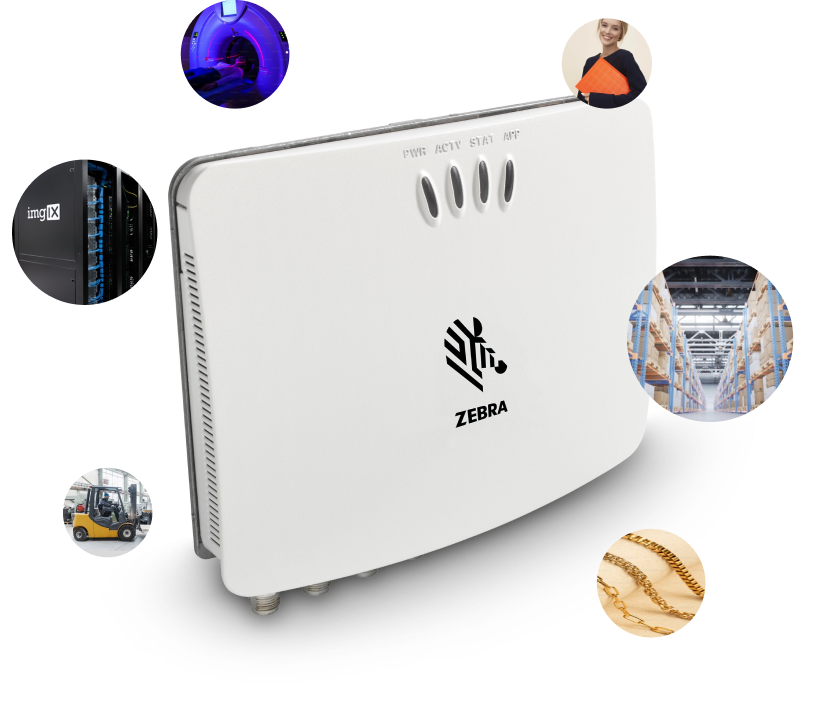
How RFID Middleware Works
A practical middleware stack separates device complexity from enterprise workflows:
- Reader interface layer: Connect fixed and handheld readers from multiple vendors through LLRP or SDK adapters so data capture stays hardware-agnostic.
- Local agent layer: On-site services filter duplicate reads, enforce zone rules, and queue events during WAN outages.
- Event normalisation layer: Raw tag reads become consistent semantics—arrived, exited, in-zone, or exception—for reliable automation.
- Cloud orchestration layer: Central policy, identity, and integration logic coordinate sites, devices, and downstream applications.

Why Middleware Matters for Asset Operations
Without middleware, every application team rebuilds reader logic, creating brittle integrations and high maintenance overhead. With middleware, reader diversity is abstracted behind one event contract, so enterprise systems stay stable as hardware evolves.
- Faster rollout: Standard event pipelines reduce custom integration work across warehouses, campuses, and regional sites.
- Stronger auditability: Trusted checkpoint events support internal controls, custody tracking, and external audit requests.
- ERP-ready delivery: Clean events flow into finance and inventory records through ERP integration paths with reconciliation and retry controls.
- Standards in practice: Middleware operationalises EPC-aligned identifiers and interfaces so standards become usable in production deployments.
See how itemit’s RFID middleware platform connects reader estates, local agents, and cloud orchestration in one reader-agnostic architecture.