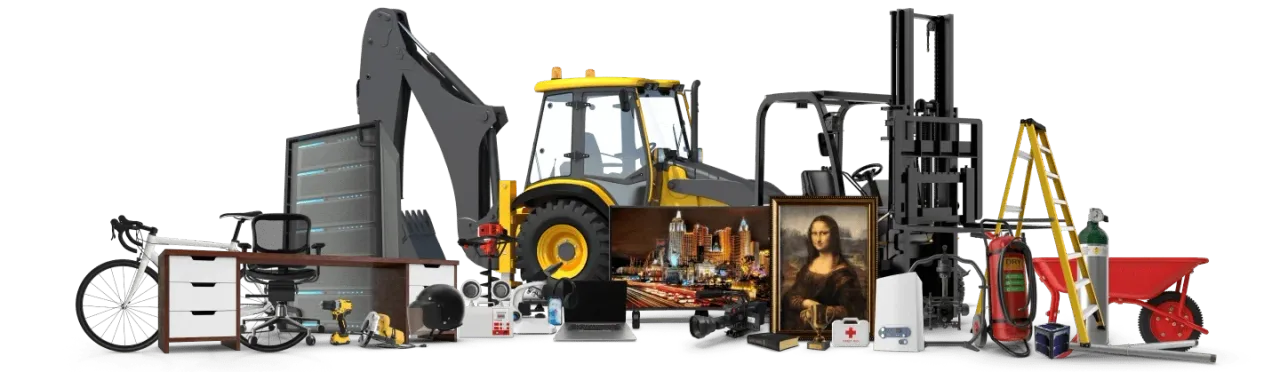
Without Middleware
Application teams must implement reader logic repeatedly, creating brittle integrations and high maintenance overhead.
Enterprise Architecture Hub
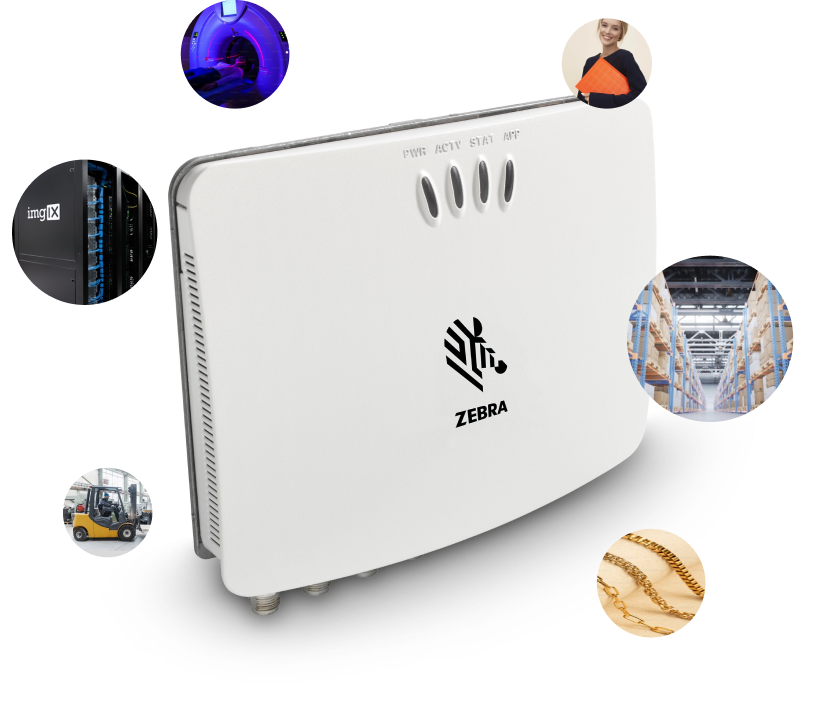
Cloud RFID middleware is the reader-agnostic software layer that converts raw fixed-reader telemetry into dependable business events. It follows EPC-first principles associated with Auto-ID Lab architecture work by McFarlane, Wong, and Thorne, separating device complexity from enterprise workflows. Local agents clean and queue reads near the edge; cloud agents enforce policy, identity, and integration logic across sites.
Read Model
High-throughput event capture
Control Plane
Local + cloud agents
Vendor Strategy
Reader-agnostic adapters
Business Output
Clean operational events
RFID readers produce high-frequency signal streams, not ready-made business actions. Middleware handles filtering, deduplication, confidence logic, and semantic transformation so downstream systems receive trustworthy events instead of raw noise.
Application teams must implement reader logic repeatedly, creating brittle integrations and high maintenance overhead.
Reader diversity is abstracted behind one event contract, so enterprise systems stay stable as hardware evolves.
Faster rollout, simpler governance, and stronger auditability across distributed operational environments.
This operating model aligns fixed-reader deployments with local resilience and cloud governance.
Connect mixed reader estates through standard interfaces such as LLRP and vendor SDK adapters, so data capture is hardware-agnostic from day one.
On-site services filter duplicate reads, enforce location rules, and queue events during WAN outages to maintain continuity at operational sites.
Raw tag reads are transformed into consistent event semantics (arrived, exited, in-zone, exception) for reliable downstream automation.
Central policy, identity, telemetry, and workflow orchestration coordinate sites, devices, and integrations in a single control plane.
Clean middleware events flow into asset tracking, ERP, service desks, analytics, and compliance reporting without vendor lock-in.
Most broadly deployed passive UHF RFID programmes follow standards-oriented event flow. In practice, middleware is where standards become operational: identifiers, reader protocols, and event semantics are normalised before integration into enterprise systems.
Standard identifier syntax for uniquely identifying physical objects across enterprise ecosystems.
Low-level reader protocol used to control readers and collect telemetry across multi-vendor estates.
Filters and groups raw reads into meaningful business events for applications and workflows.
Event sharing model for cross-system and cross-partner traceability with consistent semantics.
Middleware-first deployments improve real-world control, not just architecture diagrams.
Track high-value assets crossing doorways and controlled areas without manual scan effort.
Maintain current location and custody state for assets to support internal control and external audit requests.
Apply uniform middleware policy across warehouses, campuses, and regional operations teams.
Trigger maintenance jobs, stock updates, and exception alerts from trusted middleware events.

Explore technical integration guides for common enterprise deployment patterns.
Connect FX and TC reader estates through reader-agnostic middleware adapters and publish clean checkpoint events.
Route normalised RFID events to ERP and finance systems with offline-safe local agents and cloud backup.
Deploy edge agents for fixed-reader automation, local filtering, and simultaneous local and cloud event delivery.
How Redbite middleware powers the United Nations global RFID programme across 50+ countries for humanitarian logistics.
Everything you need to know about RFID middleware architecture.
RFID middleware is the software layer between readers and business systems. It converts noisy raw reads into reliable business events your teams can act on.
Local agents protect operations during network disruption and improve read quality close to hardware. Cloud agents provide central governance, observability, and integration at scale.
No. A reader-agnostic architecture is designed to keep hardware choice flexible by normalising data before it reaches enterprise workflows.
EPC standards define identifiers and software interfaces. Middleware operationalises those standards by applying filtering, routing, and policy controls for real deployments.
Plan fixed-reader architecture, edge and cloud agent roles, and integration workflows around an enterprise event model that scales. Read the full RFID middleware glossary definition.
Start your trial. 14 days. No risk. No credit card.