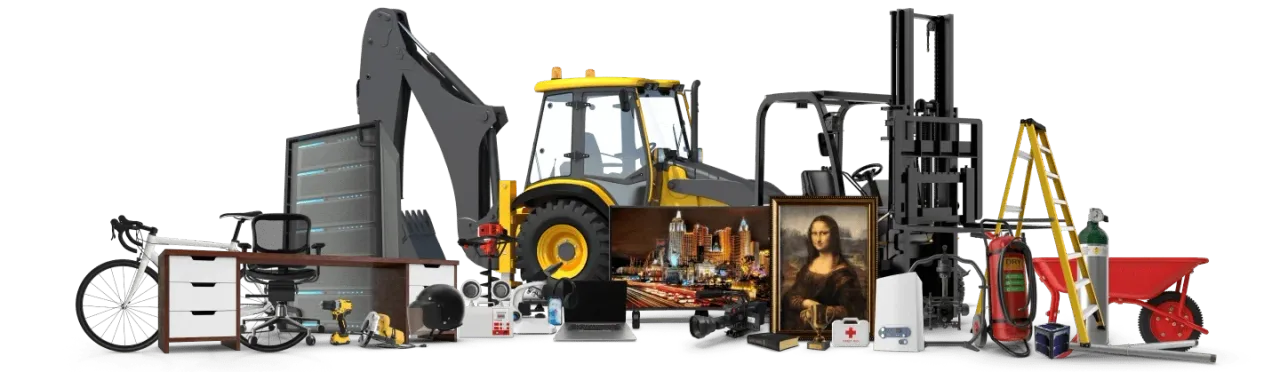
Asset lifecycle management is the process of getting the absolute most value out of your physical equipment from the day you buy it to the day you replace it. This lifecycle covers five key stages: planning the purchase, acquiring the item, putting it to work, maintaining it, and eventually retiring or selling it.
By tracking each asset through these stages, businesses can extend the lifespan of their gear, avoid sudden breakdowns, and spend less on replacements. It’s all about having the data you need to know exactly when to repair a machine and when it’s time to let it go.
The Five Stages of the Asset Lifecycle
An effective asset lifecycle management process tracks an item through five distinct phases:
- Planning & Procurement: Identifying the business need for an asset, evaluating options, budgeting, and issuing a purchase order.
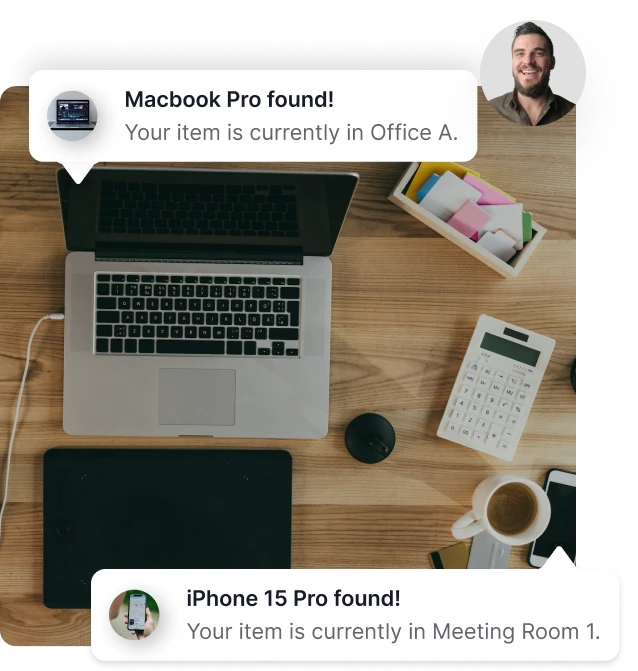
- Acquisition: Purchasing the asset, receiving it at the facility, and registering it into the system by assigning a unique asset tag.
- Operation & Maintenance: Deploying the asset to team members, scheduling routine checkups, and performing repairs to ensure peak operational health.
- Depreciation & Auditing: Accounting for its decreasing financial value over time and verifying its physical location through periodic audits.
- Disposal: Retiring, recycling, or selling the asset once it is no longer cost-effective to maintain, and updating the register to record its disposal.
Core Advantages of Asset Lifecycle Management
Adopting an asset lifecycle management strategy delivers substantial operational improvements:
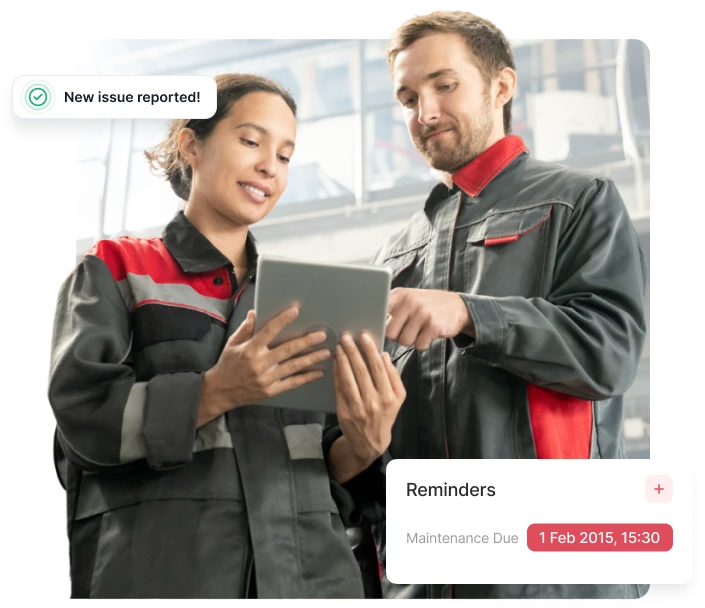
- Minimised Equipment Downtime: Proactive maintenance schedules prevent unexpected asset breakdowns that halt productivity.
- Significant Cost Savings: Extends the useful life of existing tools and avoids unnecessary capital expenditures on duplicate purchases.
- Regulatory Compliance: Establishes a complete audit trail of maintenance work, safety tests, and custody records for compliance checks.
- Data-Driven Replacement Decisions: Offers cost histories to help managers determine if an asset is cheaper to maintain or replace.
Discover how itemit’s asset lifecycle management tools track every asset from procurement through to disposal.