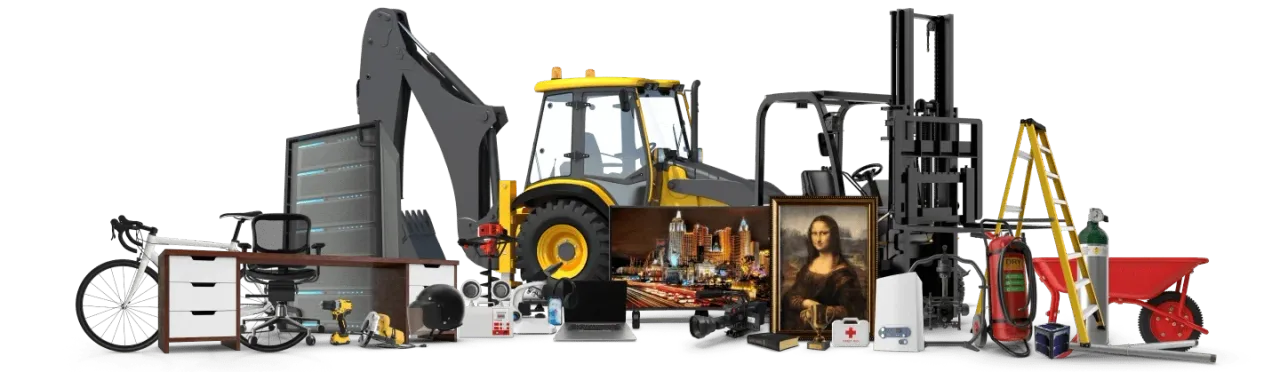
RFID asset tracking uses radio waves to identify and track physical items wirelessly, without needing a direct line-of-sight to the tag.
A complete RFID system uses smart tags attached to your equipment, readers that pick up the tag signals, and software to process the data. Because you don’t need to point a scanner directly at a label, you can scan hundreds of items at once—making inventory checks and tool checkouts incredibly fast.
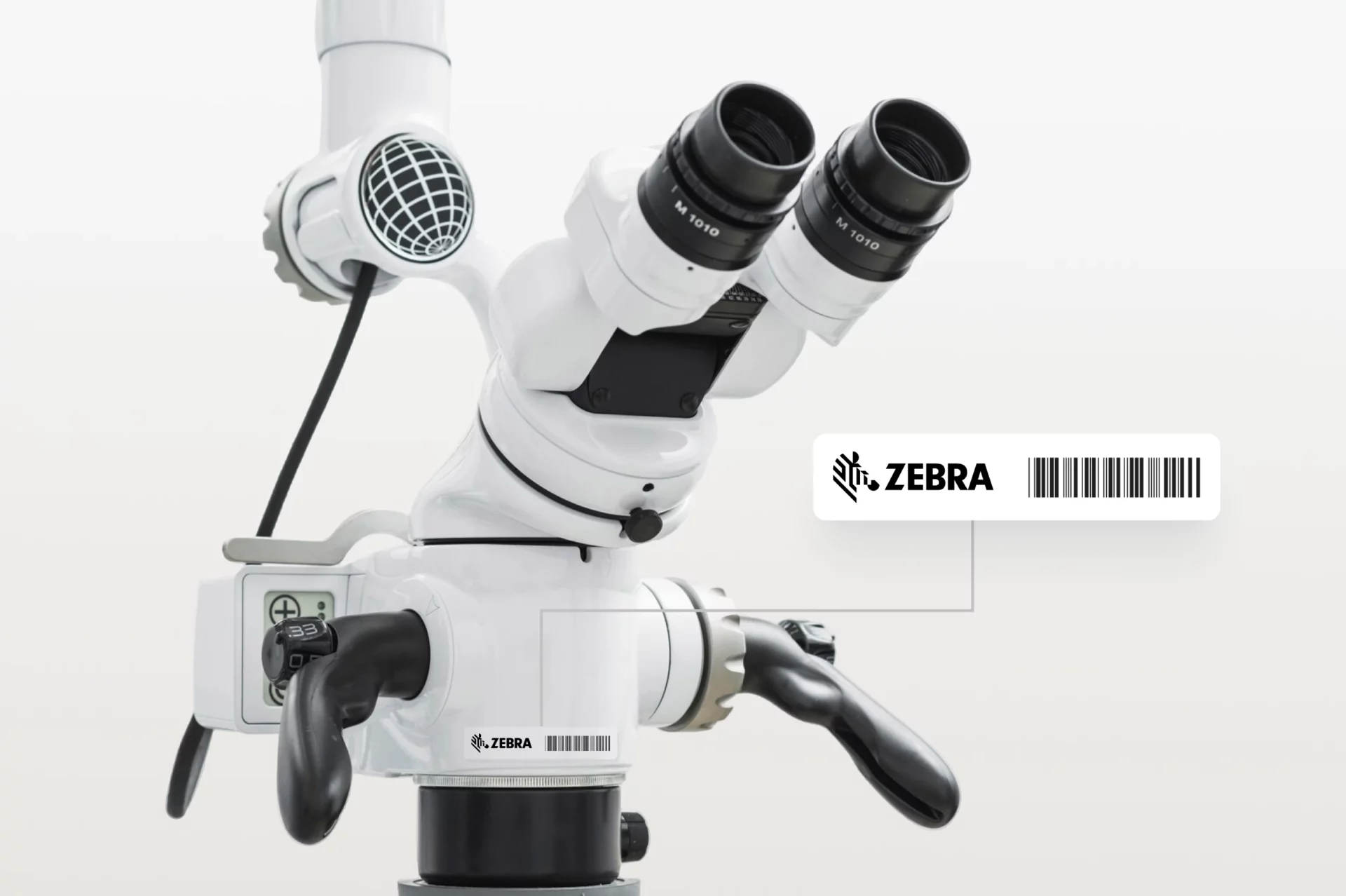
Active vs. Passive RFID Asset Tracking
RFID tags generally fall into two categories:
- Passive RFID Tags: These tags have no internal power source. They are powered by the radio frequency energy transmitted from the RFID reader. They are inexpensive, have an unlimited lifespan, and offer a read range of up to 10-15 metres, making them ideal for standard office equipment, tools, and IT assets.
- Active RFID Tags: These tags contain a battery that continuously broadcasts signals. They have a much longer read range (up to 100 metres or more) and can transmit data automatically. Active tags are typically used for high-value machinery, vehicles, and real-time tracking in large yards.
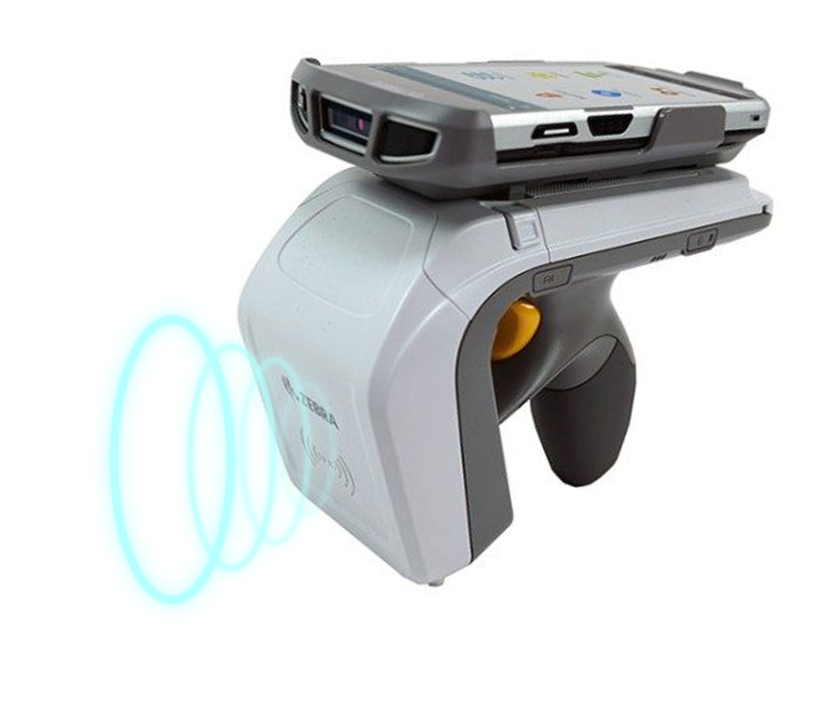
Benefits of RFID over Barcodes & QR Codes
While barcodes and QR codes are cost-effective, RFID offers distinct operational advantages:
- No Line of Sight Required: RFID tags can be scanned through boxes, packaging, or clothing.
- Bulk Scanning Capability: Readers can scan hundreds of RFID tags simultaneously, reducing inventory counting time from hours to seconds.
- Automated Tracking: Fixed RFID portals can automatically scan assets moving between rooms or loading docks.
Learn more about itemit’s RFID asset tracking system and how it automates audits with bulk scanning.