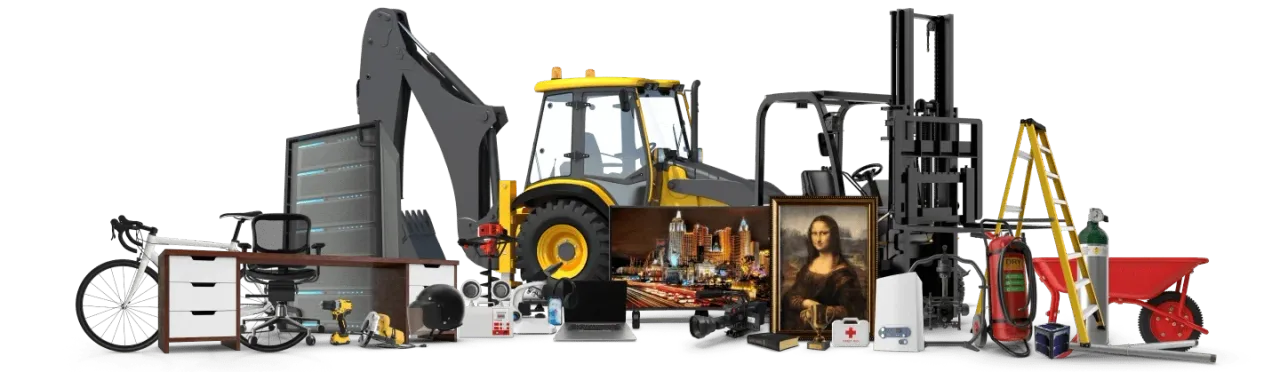
Asset tracking is how businesses keep tabs on the physical items they need to run—whether that’s tools, laptops, or heavy vehicles.
Instead of typing updates into spreadsheets that are out of date the minute you save them, modern teams use simple software and tags (like QR codes or GPS trackers). This gives everyone a live view of where equipment is, who has it, and when it needs to be serviced. The goal is simple: save time, stop losing tools, and keep accurate records without the manual hassle.
How it Works in the Real World
Setting up a tracking system is straightforward and generally involves three steps:
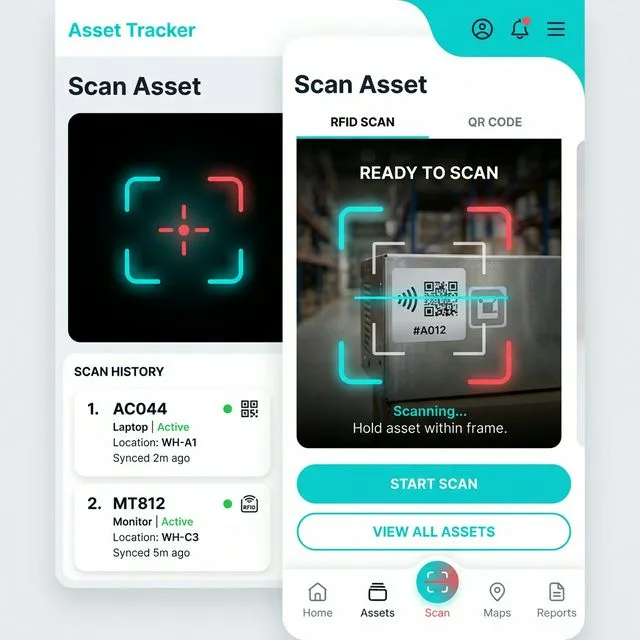
- Tag your gear: You attach a durable label—like a QR code sticker, an RFID tag, or a GPS tracker—to each piece of equipment.
- Scan on the go: When a team member takes or moves a tool, they scan the tag using a smartphone app or a dedicated scanner.
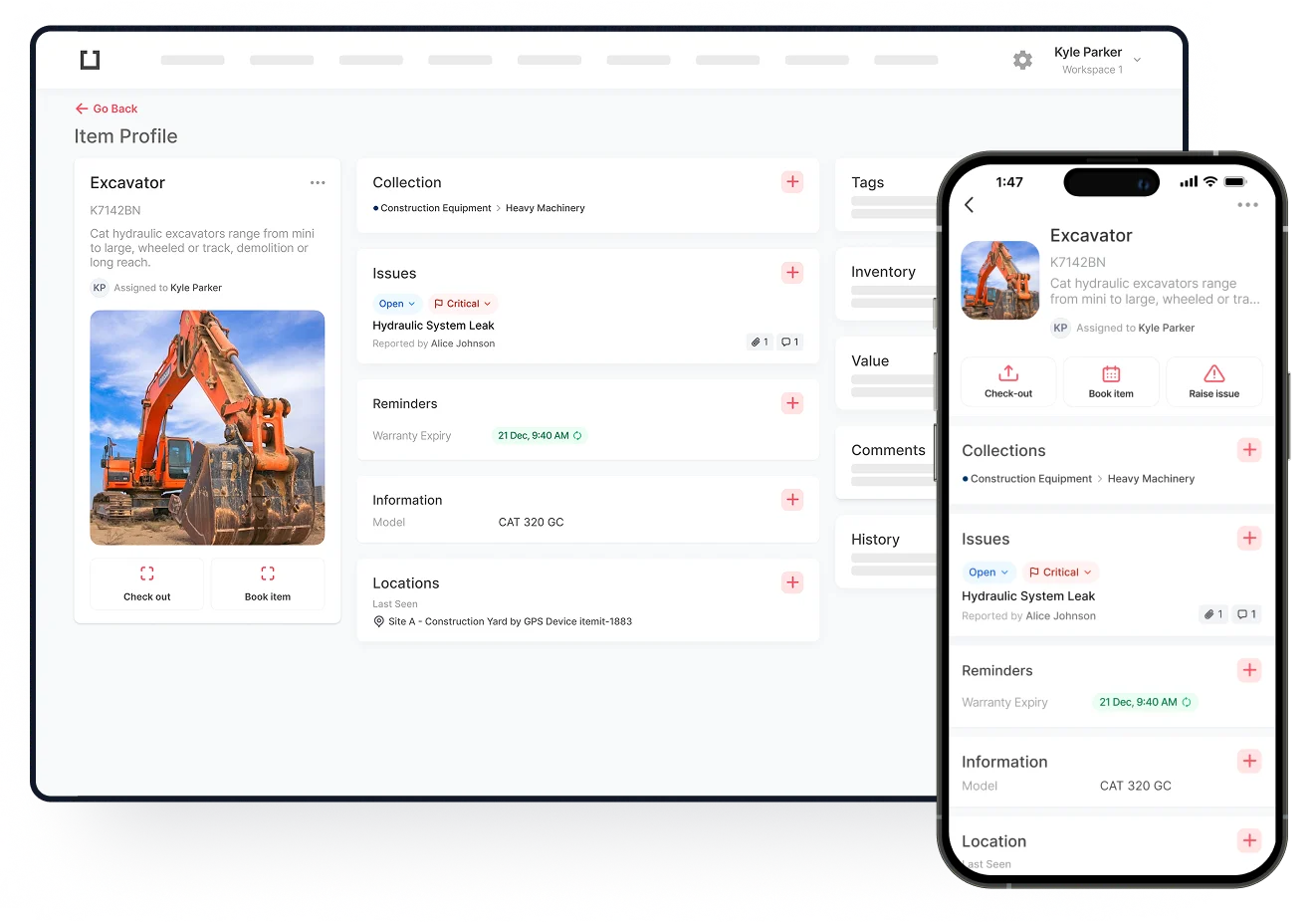
- See updates instantly: The scan updates a central, cloud-based list. Anyone on the team can log in to see exactly where that tool is, who checked it out, and when it was scanned.
Why Make the Switch?
Ditching paper logs and spreadsheets for an automated system pays off quickly in a few key areas:
- Stop buying duplicates: When you don’t know what you own, you end up buying tools you already have. Live tracking gives you a clear picture of your active inventory.
- Save wasted hours: Your team shouldn’t spend the first hour of every shift calling around to find a specific piece of equipment. With a quick search, they can see exactly where it is.
- Encourage better care: When people know their name is attached to a tool, they treat it better. A simple check-in/check-out system naturally reduces lost or damaged gear.
- Stay ahead of repairs: Don’t wait for a machine to break down in the middle of a job. Track service history and set automated reminders for routine maintenance to keep everything running safely.
Ready to put this into practice? Explore itemit’s asset tracking software to see how teams monitor tools, equipment, and IT assets in real time.