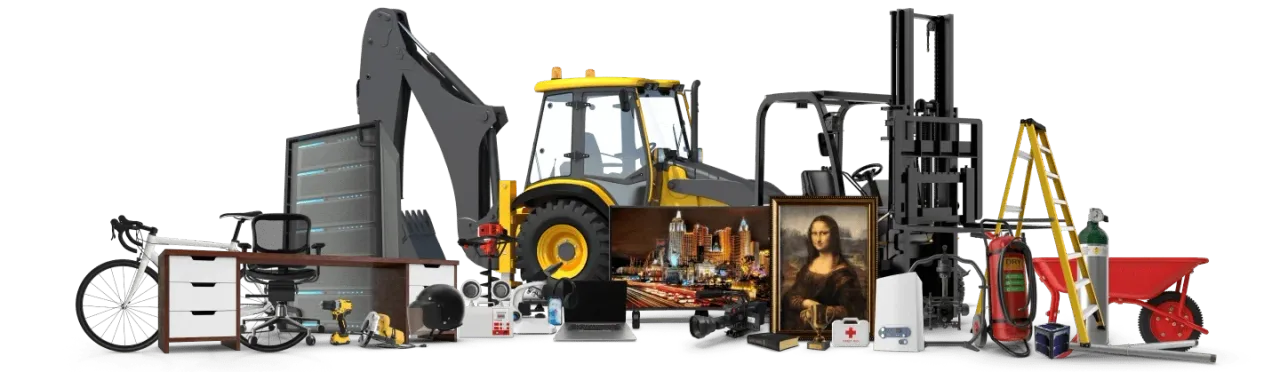
Asset depreciation is how businesses write down the value of their long-term equipment over time. Instead of treating a major purchase—like a new delivery van or a manufacturing machine—as a single massive expense the day you buy it, depreciation lets you spread that cost across the years you actually use it.
This gives a much more accurate picture of your monthly or yearly profits. Keeping close track of depreciation is essential for reporting your business’s true value, claiming tax deductions, and planning when you’ll need to invest in new gear.
Common Methods of Calculating Depreciation
Organisations use several primary methods to calculate depreciation depending on their financial objectives and the nature of the asset:
- Straight-Line Depreciation: The simplest and most common method, which distributes the value loss evenly over each year of the asset’s useful life.
- Declining Balance Method: An accelerated method that applies a constant rate to the asset’s remaining book value each year, leading to higher depreciation expenses in the early years.
- Units of Production: Calculates depreciation based on how much the asset is actually used (e.g., miles driven or hours run), making it ideal for manufacturing machinery.
- Sum-of-the-Years’-Digits: Another accelerated calculation that uses a fraction based on the sum of the years of useful life to frontload write-offs.
Why Businesses Must Track Asset Depreciation
Consistently monitoring and recording depreciation provides major advantages for operations and finance teams:
- Tax Optimisation: Claiming capital allowances and depreciation deductions reduces overall taxable income.
- Accurate Asset Valuation: Keeps the balance sheet reliable by showing the current net book value (acquisition cost minus accumulated depreciation) instead of the original cost.
- Strategic Replacement Planning: Signals when an asset is approaching the end of its useful life and needs to be scheduled for replacement.
- Improved Cost Allocation: Allocates the cost of equipment directly to the projects or departments that utilise them.
Learn how itemit’s fixed asset register software automates depreciation calculations across your asset register.