If you have high-value assets, it is essential to ensure that they're correctly tracked, monitored and updated. You need to log and update information regularly for a range of purposes, whether it's for auditing or to ensure that assets don't go missing.
Therefore, you need to use asset tracking operations to make sure your accountability remains high and your costs remain low.
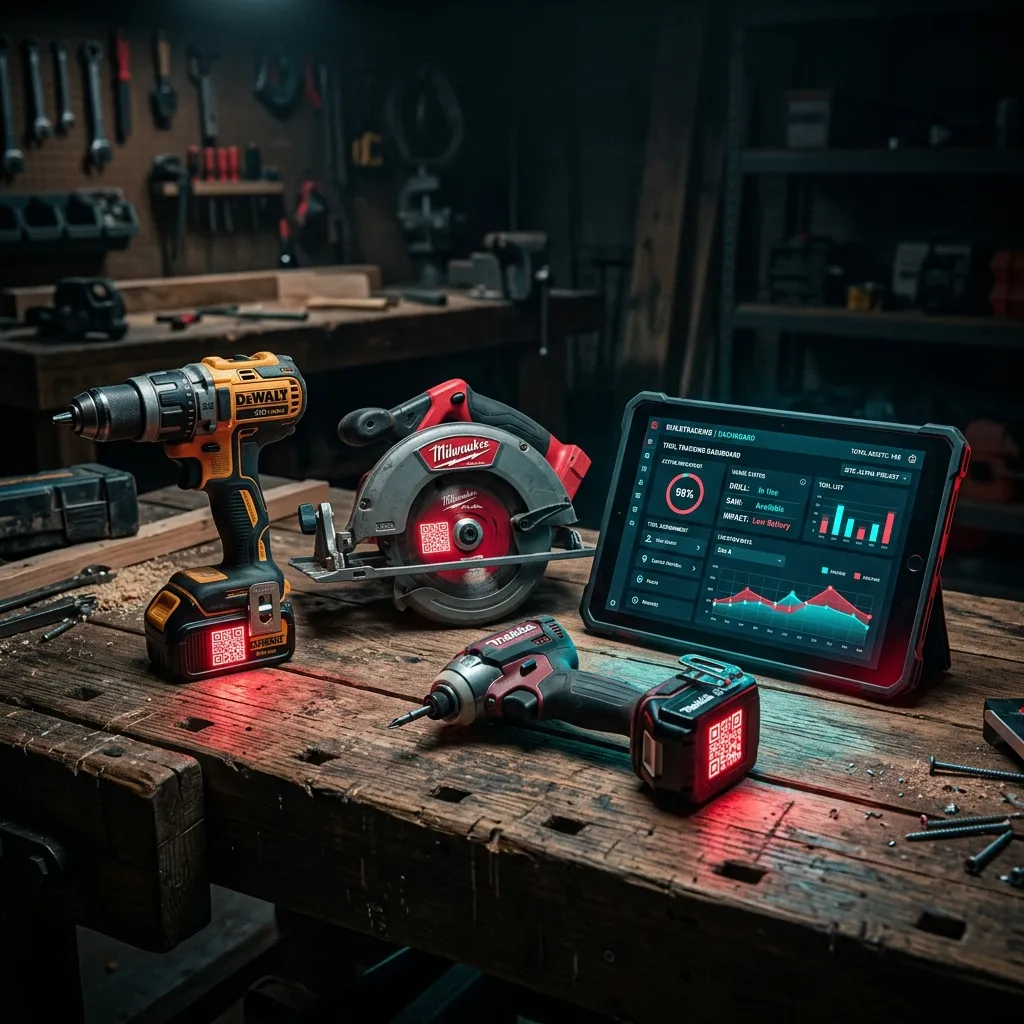
Conventional asset tracking software usually uses QR codes and barcodes. You then use your phone's camera to scan these tags. This can create difficulties as you can't stick visible things onto high-value assets. This is where RFID asset management comes in.

What Is Asset Tracking?
Asset tracking is the process of logging equipment, tools, and other assets onto a system and monitoring them. In the past, a spreadsheet would've been used, but this can create limits and gaps in accountability, control, and transparency.
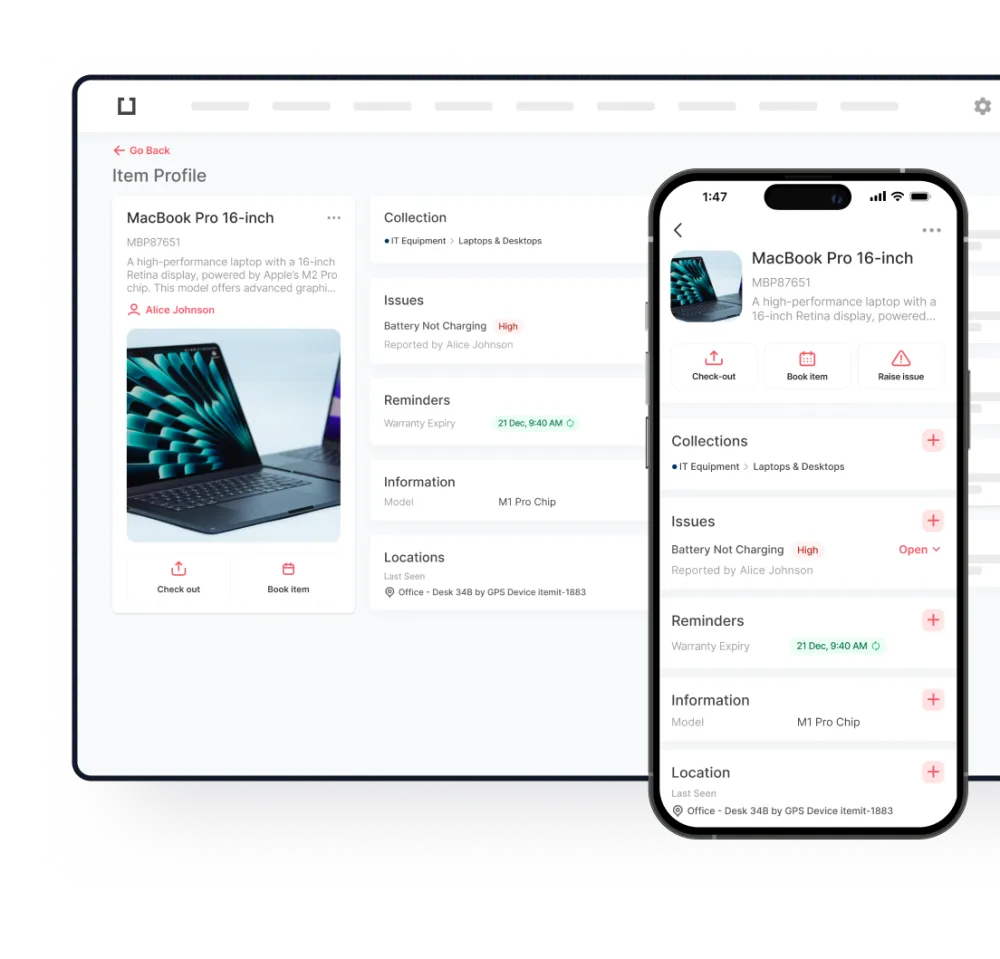
This is why asset tracking software creates an effective, robust, and clear view of what you own. With online asset tracking software, you can add unique asset profiles to your software. You can then use an integrated asset tracking app to track assets while you're physically with them.
In other words, you will have a web portal that is available for reporting, data analysis, and overseeing operations and an app where you can scan asset tags and edit assets onsite when you notice or make changes to an asset.
The system will be cloud-based, meaning that any changes you make to the system using your app will also be reflected on your web-based system in real-time. This is great for reporting purposes, as you can report issues with an asset in front of you, then manage an exportable report of these logged issues.
RFID asset tracking then gives you more automation and control over your high-value asset tracking operations.
How Does RFID Work?
RFID systems use RFID asset tags. The purpose of these is the same as QR codes and barcodes. With all of these asset labels, you'll be indicating that an asset is unique within your system.
Then, whenever you scan an asset's tag in your asset tracking app, the asset's profile will open, ready for edits. Every scan also updates the asset's last seen location using your phone's GPS data, too, as well as logging when the scan was made and by who. This gives you a clear audit trail for your assets.
RFID asset labels have an edge over QR codes and barcodes, however, even if they're passive RFID tags. This is as RFID asset tags use antennas to emit radio frequencies. You can then use external hardware that you can link to your asset tracking software to pick up these radio frequencies and read the tags.
Effectively, what this means is that you can hide asset tags in a way that wouldn't be possible with QR codes and barcodes, as QR codes and barcodes must be scanned with your phone's camera.
There are then two types of RFID asset tracking that you can implement which both give you different levels of automation and capabilities.
Handheld RFID Asset Management
First of all, you can use handheld RFID asset management. This is very similar to how you'd use QR code asset management. You'd stick RFID asset labels onto your assets and use a handheld RFID reader to scan these.
The automation is provided by your asset tracking software's functionality, as well as the ability to scan multiple tags quickly and from a distance.
The benefit is also clear, as you can conceal these tags which is sometimes essential, whether it be for paintings or wine collections or other high-value collections that you don't want to add a visible tag to.
In terms of automation, if multiple assets are moving from one location to another, you'll be able to use a Quick Add feature to log this change in your system simply by pulling the trigger on your reader. Then, you can also run audits to verify that your assets are all still where they should be, again, simply by pulling the trigger.
Fixed RFID Asset Tracking
Fixed RFID asset tracking also uses RFID tags. The benefits are slightly different here, as fixed RFID asset management allows you to log asset movements without any manual input.
For example, if you're working in an art gallery, you'll be able to position fixed RFID readers above certain doors. Then, whenever one of your pieces of artwork moves from one location to another, the change will be logged in your asset tracking system.
Fixed RFID readers can also detect which direction your assets are moving in, meaning they'll be able to log whether your assets are leaving a room or moving into a room. This gives you a much higher level of transparency and accountability over your asset list.
 Watch video