Book a demo and get 10% off your first plan

How to Stop Tool Theft and Loss: Construction Tool Tracking Guide

By itemit Team
Published on May 26, 202610 min read
Back to Blog
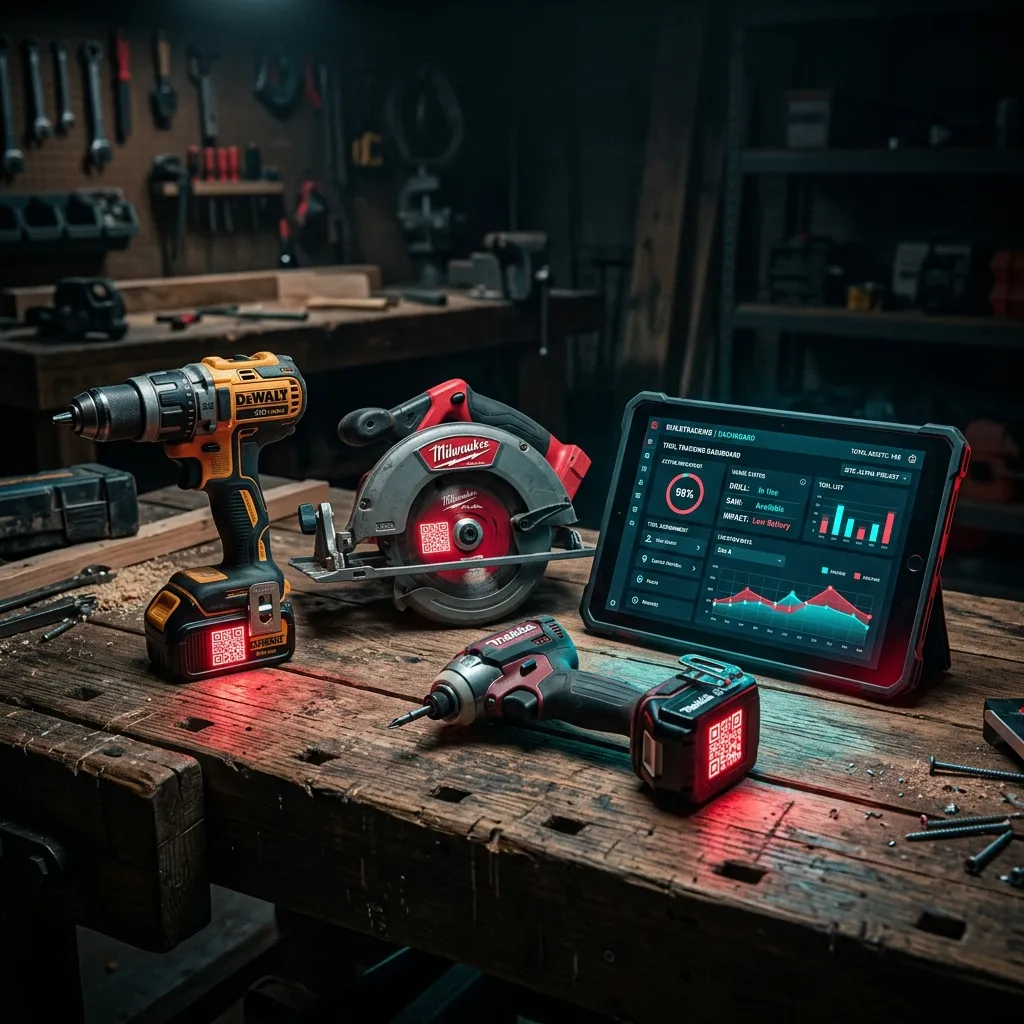
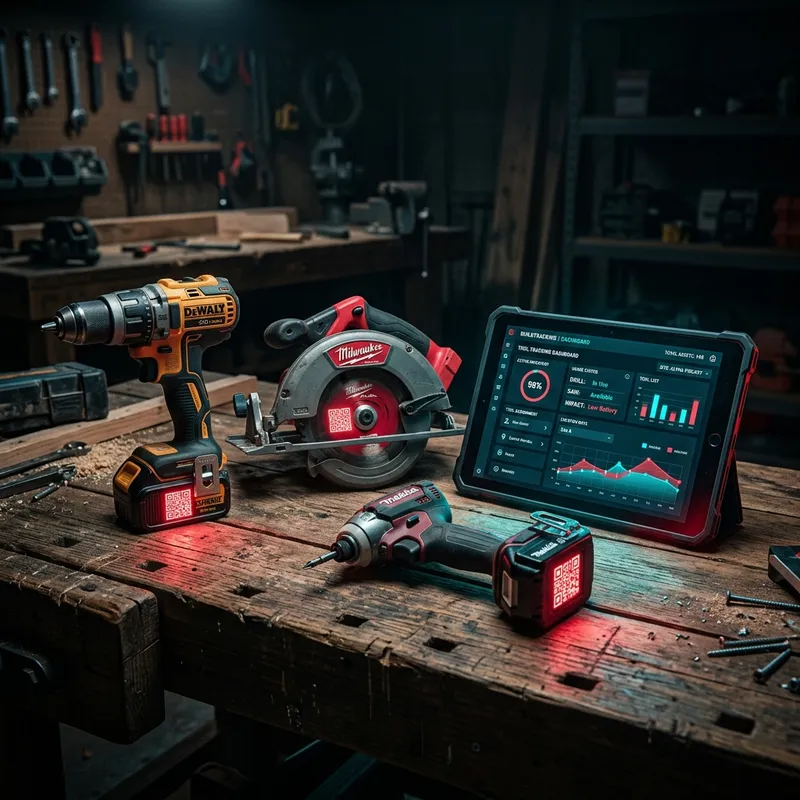
Construction tools on workbench with QR codes and tablet showing tool tracking software

Few things derail a construction project faster than arriving at a job site or opening a van only to find your tools are gone. Tool loss and theft are not just financial inconveniences; they are emotional hits that drain time, energy, and momentum. According to industry surveys, tool theft costs construction businesses millions every year in replacement costs and lost project hours, while simple site misplacement eats up daily productivity as workers search for missing gear.

Securing your equipment requires a dual defense: robust physical security to deter thieves and smart digital tracking to maintain constant visibility. This guide covers how to stop tools being stolen from vans, how to stop losing equipment on site, and how to combine physical protection with modern tracking technology like GPS, BLE, and QR codes.

Key Takeaways

* Tool theft from vans can be reduced using physical security measures like slam locks, tool vaults, and clever parking habits.

* Losing equipment on site is best addressed by building employee accountability using a dedicated tool tracking app.

* Different tools require different technologies: use cost-effective QR stickers for hand tools, Bluetooth (BLE) beacons for tool bags, and GPS trackers for high-value machinery.

* Tool tracking software provides a centralized database of your tool inventory, showing who checked out which tool and where it was last scanned.

* A clear tool check-in and check-out procedure cuts down site loss by assigning responsibility to specific team members.

How to Stop Tools Being Stolen from Vans

Vans are mobile warehouses, making them prime targets for thieves. Traditional factory-installed locks are rarely enough to stop a determined intruder. Protecting your tools in transit or overnight requires multiple layers of defense.

Upgrade Physical Security Measures

First, install aftermarket locks. Slam locks automatically lock the vehicle door when it is shut, which is ideal for quick drops and multi-site deliveries. Deadlocks offer a deeper level of security by requiring a manual key turn to unlock, preventing thieves from using simple bypass techniques. If you store high-value items inside, bolt down a steel tool vault or heavy-duty drawer system to the floor of the van. Even if a thief breaches the door, they will face a time-consuming battle to access the vault.

Smart Parking Practices

Where and how you park matters. When parking at home or on a job site, position your van's rear and side doors close to solid walls, sturdy fences, or other vehicles to block access. Park in well-lit areas covered by CCTV cameras. If you must leave the vehicle in a public lot, park near the entrance or in high-traffic spots where suspicious activity is easily noticed.

De-Badge and Keep It Quiet

Avoid advertising what is inside. Eye-catching decals detailing your plumbing, electrical, or contracting services tell thieves exactly what kind of tools are inside your vehicle. Consider keeping the exterior of your van generic or "de-badged" to reduce its appeal. Furthermore, never leave tools visible in the front cab or through rear windows.

Van Tool Tracking

Alongside locks and vaults, digital tracking serves as a vital safeguard. Equipping your vehicle or your tool chests with Bluetooth or GPS tracking sensors allows you to monitor their presence. If a tool chest is moved out of the van's range, the tracking software can send an immediate notification to your phone, giving you a chance to react before the vehicle is long gone.

How to Stop Losing Equipment on Site
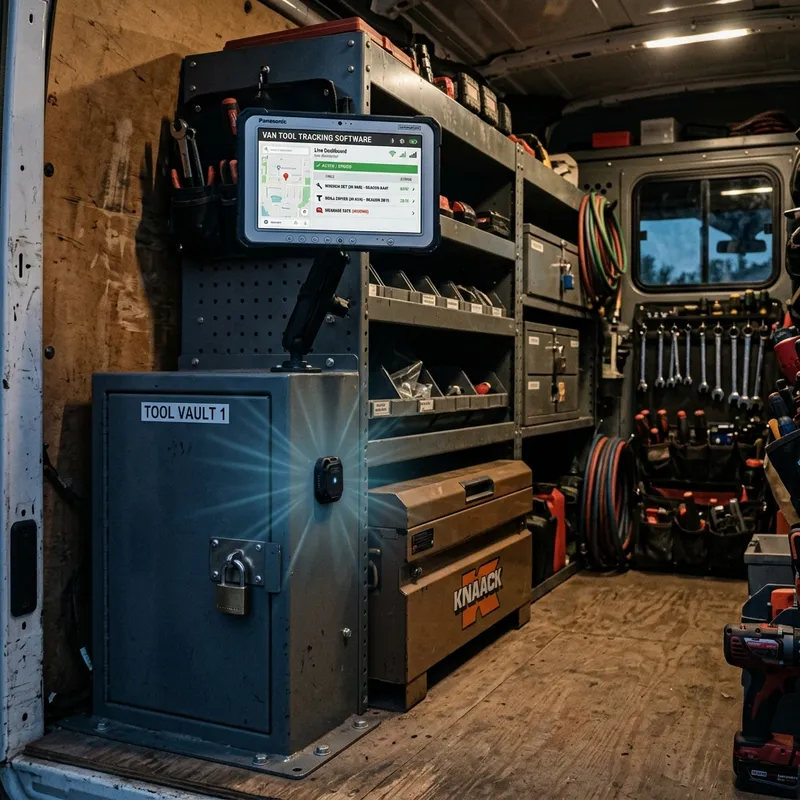
Inside view of trade van with locked tool vaults and a tablet displaying van tool tracking software

Tools do not just get stolen; they also get left behind in crawlspaces, misplaced in heaps of building materials, or borrowed by sub-contractors without notice. Stopping site loss is about changing habits and using tools that support accountability.

Establish a Digital Tool Check-Out Procedure

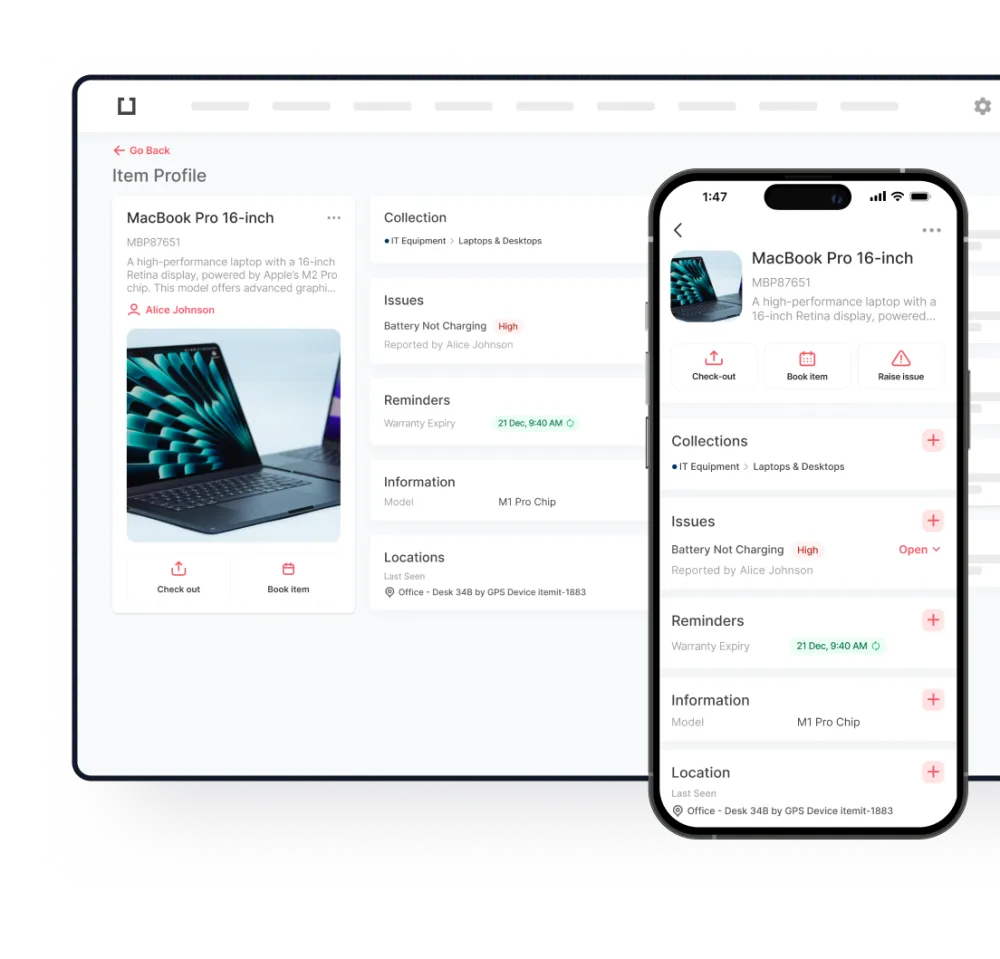
If anyone can grab a tool from the gang box without logging it, you will inevitably lose track of your equipment. A digital tool tracking app solves this problem. Before taking a tool, the worker scans a durable QR code sticker affixed to the item. The software records the date, time, and the name of the worker. When they return it, they scan it back in. This simple step creates a clear history, making it easy to see who last used the tool if it goes missing.

Define Clean Zones and End of Day Audits

Establish a routine where all tools must be returned to a central storage area or locked chest at the end of every shift. Run a quick digital audit using your construction tool inventory app. If the system shows three drills are still checked out, the team can locate them immediately before leaving the site, rather than discovering the loss days later.

Label and Color-Code Everything

Make your tools instantly recognizable. Use bright, durable spray paint or colored electrical tape on handles and cases. If your company uses a specific color scheme, apply it to all gear. This prevents accidental mix-ups with other trades on site and makes it obvious if a sub-contractor walks off with your equipment.
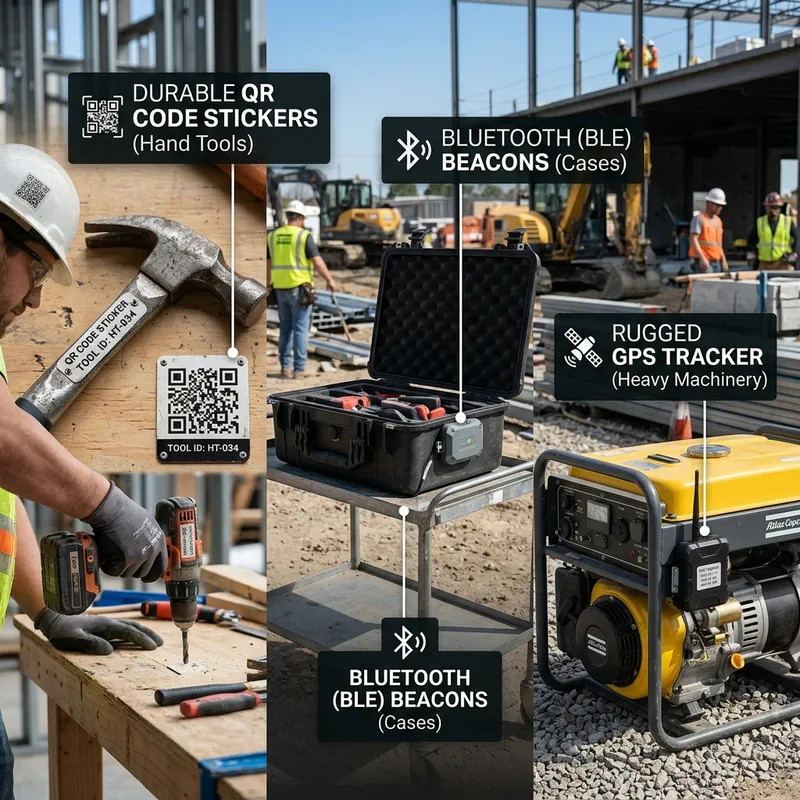
GPS vs QR Stickers vs BLE Beacons: Choosing the Right Technology

Comparison of QR stickers, BLE beacons, and GPS tracking devices on a construction site

Not all tools are created equal, and neither are tracking technologies. A professional tracking setup uses a mix of methods based on the value, size, and mobility of each asset.

QR Stickers (Durable Asset Tags)

QR stickers are the foundation of a modern tracking system. They are highly affordable, easy to apply, and require no battery power. These tags are perfect for smaller hand tools, hammer drills, grinders, ladders, and safety gear. The tracking works through user interaction: when a worker scans the tag with their smartphone camera, the tool tracking app logs the GPS location of the scan. This gives you a map showing exactly where the tool was checked out or audited.

Bluetooth Low Energy (BLE) Beacons

BLE beacons are small, battery-powered transmitters that broadcast a continuous wireless signal. They are ideal for high-value tool kits, diagnostic gear, and storage cases. Bluetooth tracking is passive: a gateway device or a worker's phone running the tracking software can detect all beacons within a 30-to-100 meter radius. This makes BLE perfect for van tool tracking; the system can automatically scan the van at the end of the day and alert the driver if any beacon-tagged tools are missing.

GPS Trackers

GPS trackers offer real-time location updates using satellite networks. Because they require significant battery power and involve ongoing subscription costs, they are reserved for high-value mobile assets. Use GPS trackers for large generators, cement mixers, excavators, high-end trailers, and major plant equipment. GPS tracking tells you where your heavy machinery is at any moment, even if it is parked on an unstaffed job site over the weekend.

Technology Comparison Table

Technology Best Used For Relative Cost Key Benefit
QR Stickers Hand tools, drills, ladders, personal protective equipment (PPE) Low (Pennies per tool) Cost-effective, zero maintenance, logs user accountability on scan
BLE Beacons Tool bags, expensive diagnostic kits, vehicle tracking Medium Passive presence checking, automatic alerts if left behind
GPS Trackers Generators, excavators, trailers, heavy plant machinery High (Needs power and data plan) Real-time location mapping, anti-theft geofencing alerts

How to Implement Tool Tracking Software

Transitioning from an unmanaged tool heap to an organized tracking setup is straightforward if you follow a step-by-step rollout plan.

1. Run a Complete Tool Audit

Gather all tools in one place. Sort through your inventory and separate active gear from broken or redundant items. Group them by category, size, and approximate value. This physical audit forms the foundation of your digital register.

2. Choose Your Tags

Apply durable QR stickers to your hand tools and attach BLE beacons to your major tool chest kits. For your heaviest machinery, mount a rugged GPS tracker in a hidden, secure location. Ensure each tag is firmly attached in a spot that will not interfere with the tool's operation but remains accessible for scanning.

3. Input Data into the Tool Tracking App

Use your mobile phone to scan each new tag and create its digital profile in the tool tracking software. Input essential details: tool name, manufacturer, model, purchase date, serial number, and which van or storage locker it belongs to. You can also upload a photo of the tool to help workers verify the item's condition.

4. Train Your Team

Show your workers how to scan QR tags and check tools in and out using their mobile phones. Explain that the app is not a surveillance tool, but a way to protect their jobs and keep the business running smoothly. When workers realize that tool tracking software stops them from wasting hours looking for missing gear, they will readily support the system.

Frequently Asked Questions

How does a tool tracking app help if a tool is stolen?
If a tool is stolen, the database contains its exact serial number, model, and photographic proof of ownership, which is crucial for police reports and insurance claims. Furthermore, BLE and GPS tags can alert you to unauthorized movement or help you locate the stolen item.

Are QR stickers durable enough for a busy construction site?
Yes, provided you use professional-grade, industrial-strength tags. These are made from materials like anodized aluminum, metal foil, or thick plastic, designed to withstand abrasions, mud, moisture, heat, and chemical exposure.

Do we need dedicated scanners for the workers?
No. Modern tool tracking software runs on standard smartphones. Workers use the built-in camera to scan QR codes, saving you the expense of purchasing and maintaining specialized scanning hardware.

How can we track tools across multiple vans?
In the software, you can assign each van as a unique storage location. When a worker moves tools from the main workshop to a specific van, they scan the items and update their location to that van. Drivers can then run an audit on their mobile app to see exactly what is supposed to be in their vehicle.

Can we use tracking to schedule tool maintenance?
Yes. Tool tracking software allows you to set automated reminders for regular safety checks, calibration dates, and scheduled maintenance. This ensures your tools stay safe to use and comply with safety regulations.

Protect Your Livelihood with itemit

When you are ready to stop losing tools on site and protect your equipment from van theft, itemit provides a complete, easy-to-use solution. Our platform is built to handle the rugged demands of the construction and trade sectors.

By combining durable QR stickers, Bluetooth beacons, and GPS tracking into one simple app, itemit gives you total visibility over your entire inventory. Workers can check out tools in seconds on their smartphones, while managers can monitor locations, review audit histories, and manage maintenance alerts from any browser.

Do not wait until the next break-in or site loss disrupts your schedule. Upgrade your security and streamline your operations with itemit's tool tracking software. Book a demo with our team today and see how easy it is to keep your tools where they belong: in your hands, on the job.

Frequently Asked Questions

How does a tool tracking app help if a tool is stolen?

If a tool is stolen, the database contains its exact serial number, model, and photographic proof of ownership, which is crucial for police reports and insurance claims. Furthermore, BLE and GPS tags can alert you to unauthorized movement or help you locate the stolen item.

Are QR stickers durable enough for a busy construction site?

Yes, provided you use professional-grade, industrial-strength tags. These are made from materials like anodized aluminum, metal foil, or thick plastic, designed to withstand abrasions, mud, moisture, heat, and chemical exposure.

Do we need dedicated scanners for the workers?

No. Modern tool tracking software runs on standard smartphones. Workers use the built-in camera to scan QR codes, saving you the expense of purchasing and maintaining specialized scanning hardware.

How can we track tools across multiple vans?

In the software, you can assign each van as a unique storage location. When a worker moves tools from the main workshop to a specific van, they scan the items and update their location to that van. Drivers can then run an audit on their mobile app to see exactly what is supposed to be in their vehicle.

Can we use tracking to schedule tool maintenance?

Yes. Tool tracking software allows you to set automated reminders for regular safety checks, calibration dates, and scheduled maintenance. This ensures your tools stay safe to use and comply with safety regulations.

Don't just track it. itemit.

Start your trial. 14 days. No risk. No credit card.

Assets tracked using itemit