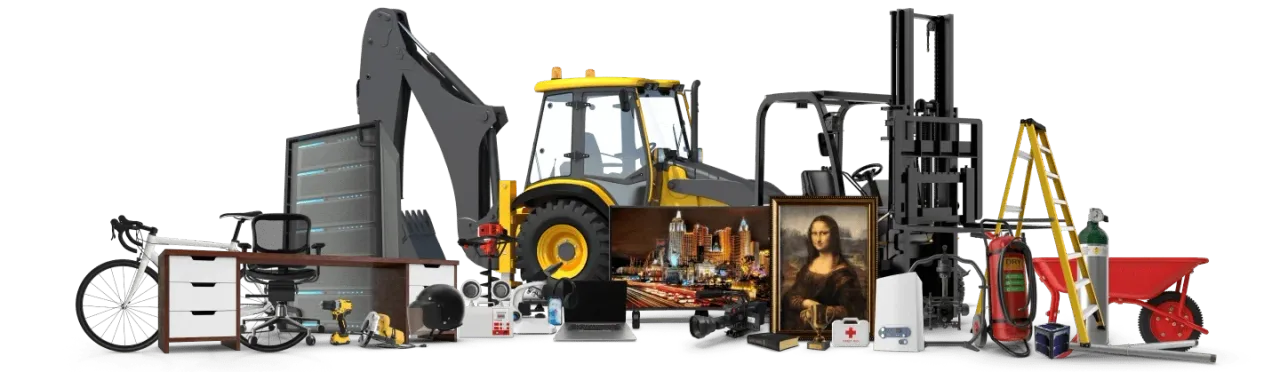
Asset Tags For Every Asset.

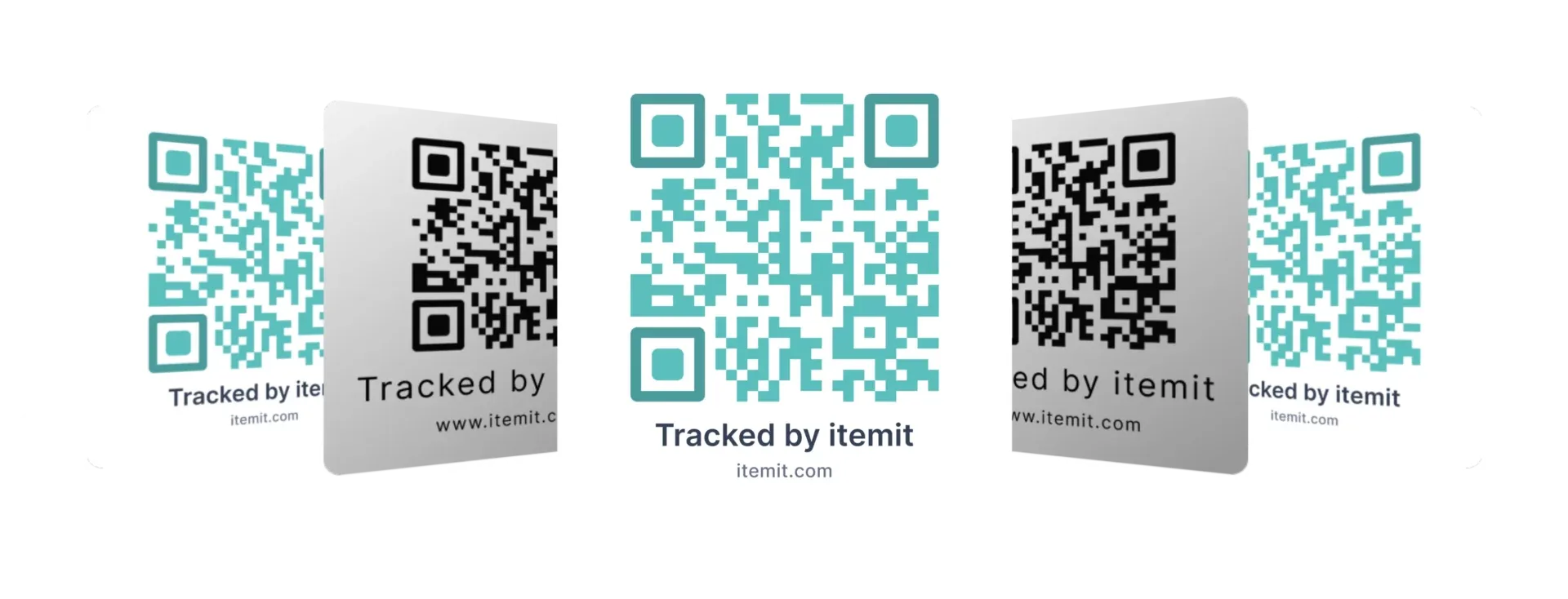
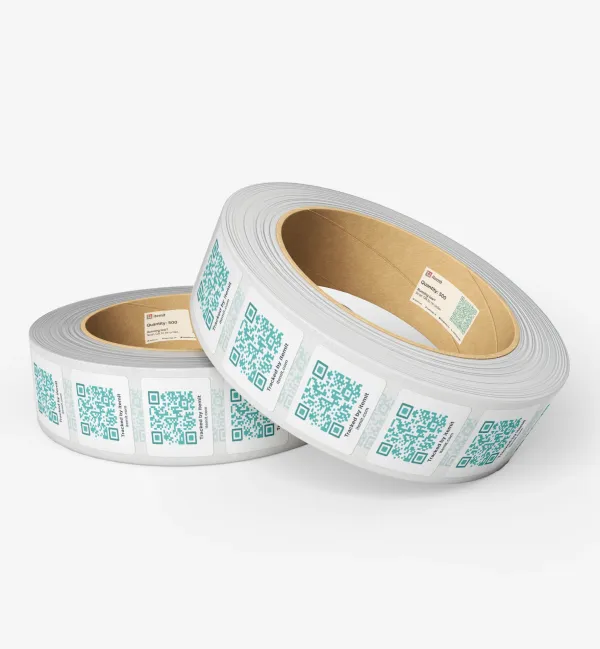
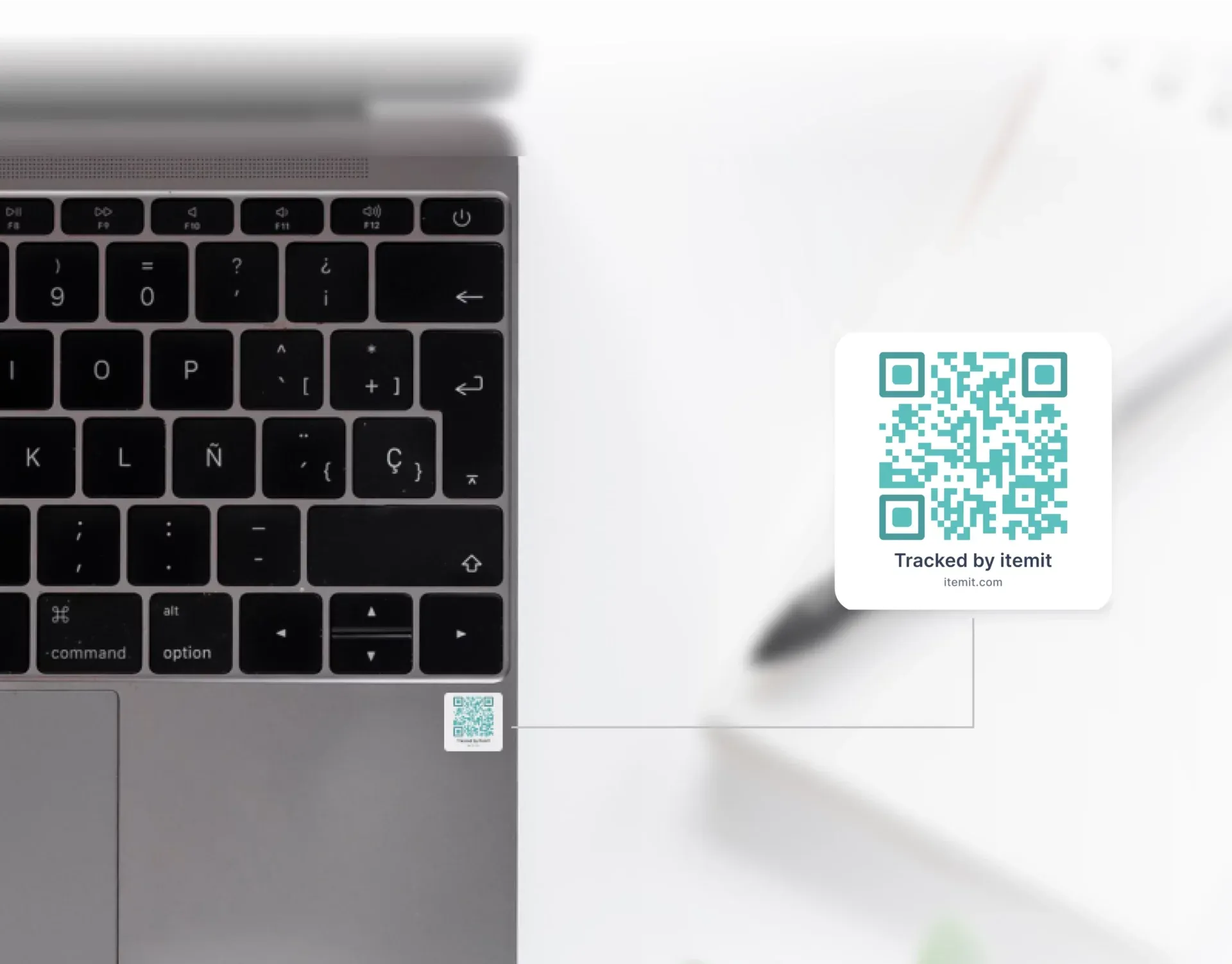
Vinyl QR Asset Tags
 Lightweight, versatile, and durable.
 Perfect for tracking indoor assets with a sleek matt finish.
 Ideal for IT Assets.
 Perfect for Equipment.
Larger quantities available.
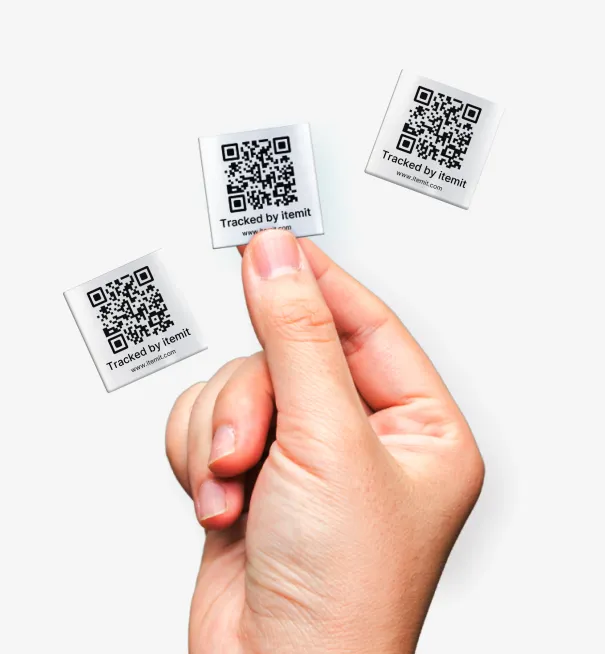
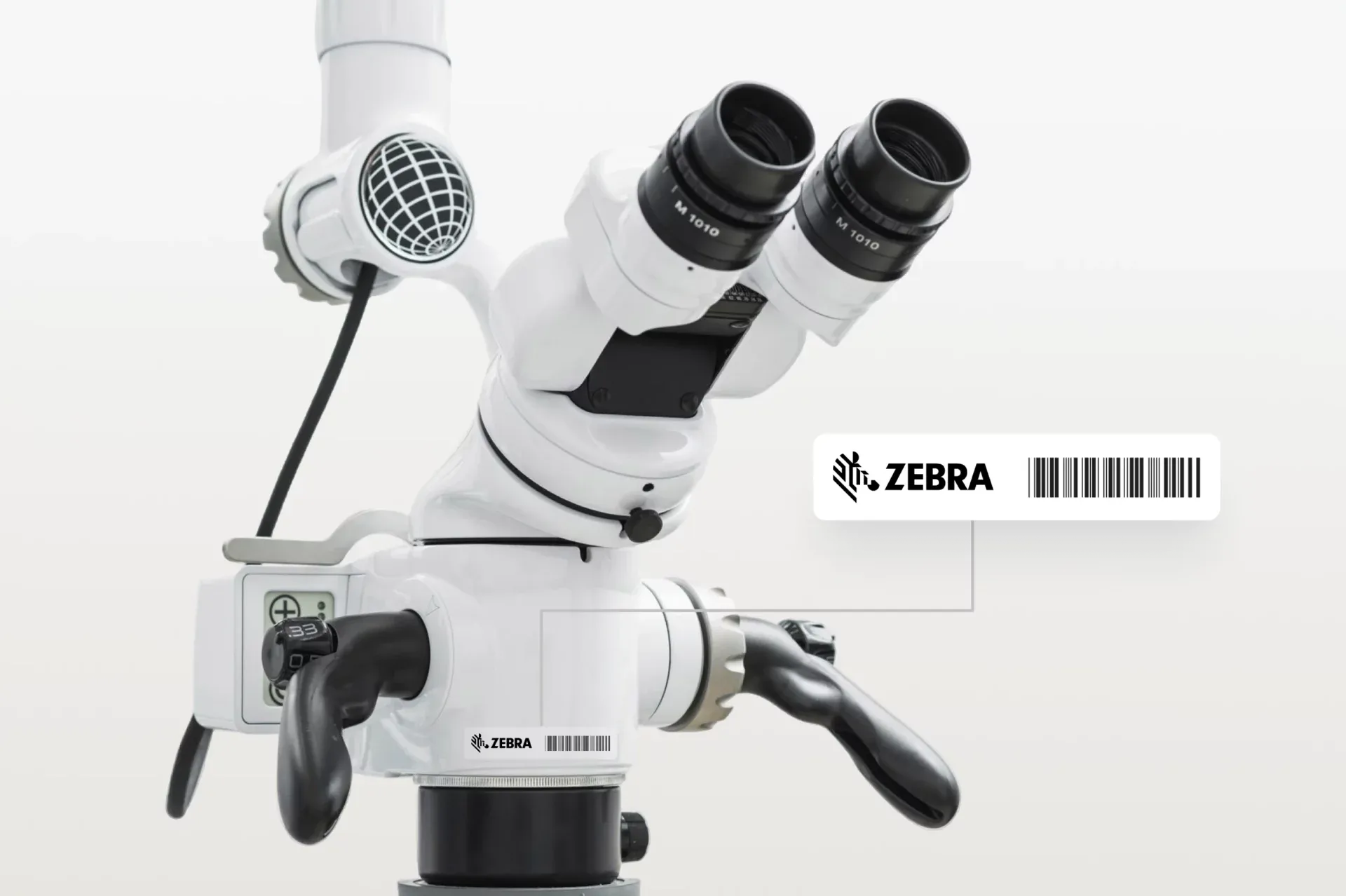
Anodised Aluminium QR Tags
 Crafted from robust aluminium.
 Built for tough conditions—perfect for tools exposed to cleaning, dirt, or tough environments.
 Ideal for Tools & Equipment.
 Perfect for Lab Equipment, Medical Devices and More!
Looking for customised tags?
RFID Tags
RFID is an alternative technology you can use seamlessly with itemit to enhance and automate your asset tracking. RFID tags are ideal for when you will not have line-of-sight to the tag, for detecting tags at greater distances and for tracking very large volumes of assets. Note that to scan RFID tags you will require an RFID reader.
Learn More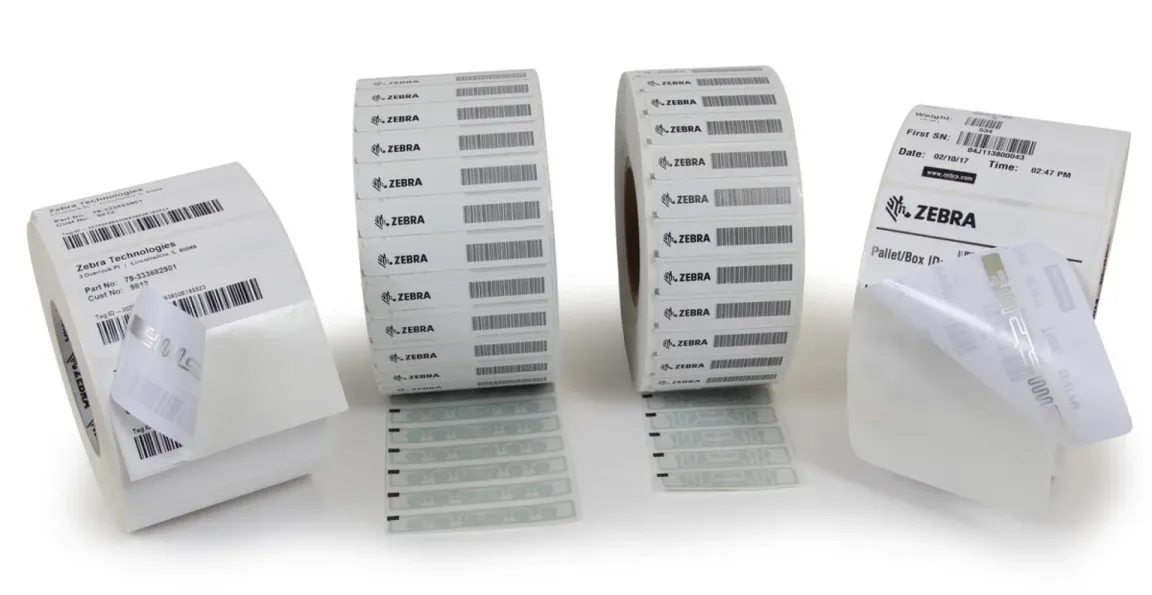
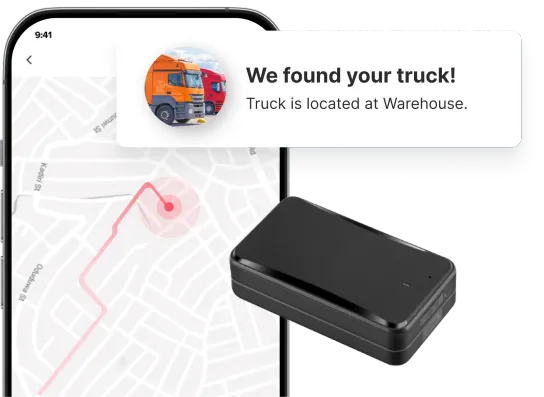
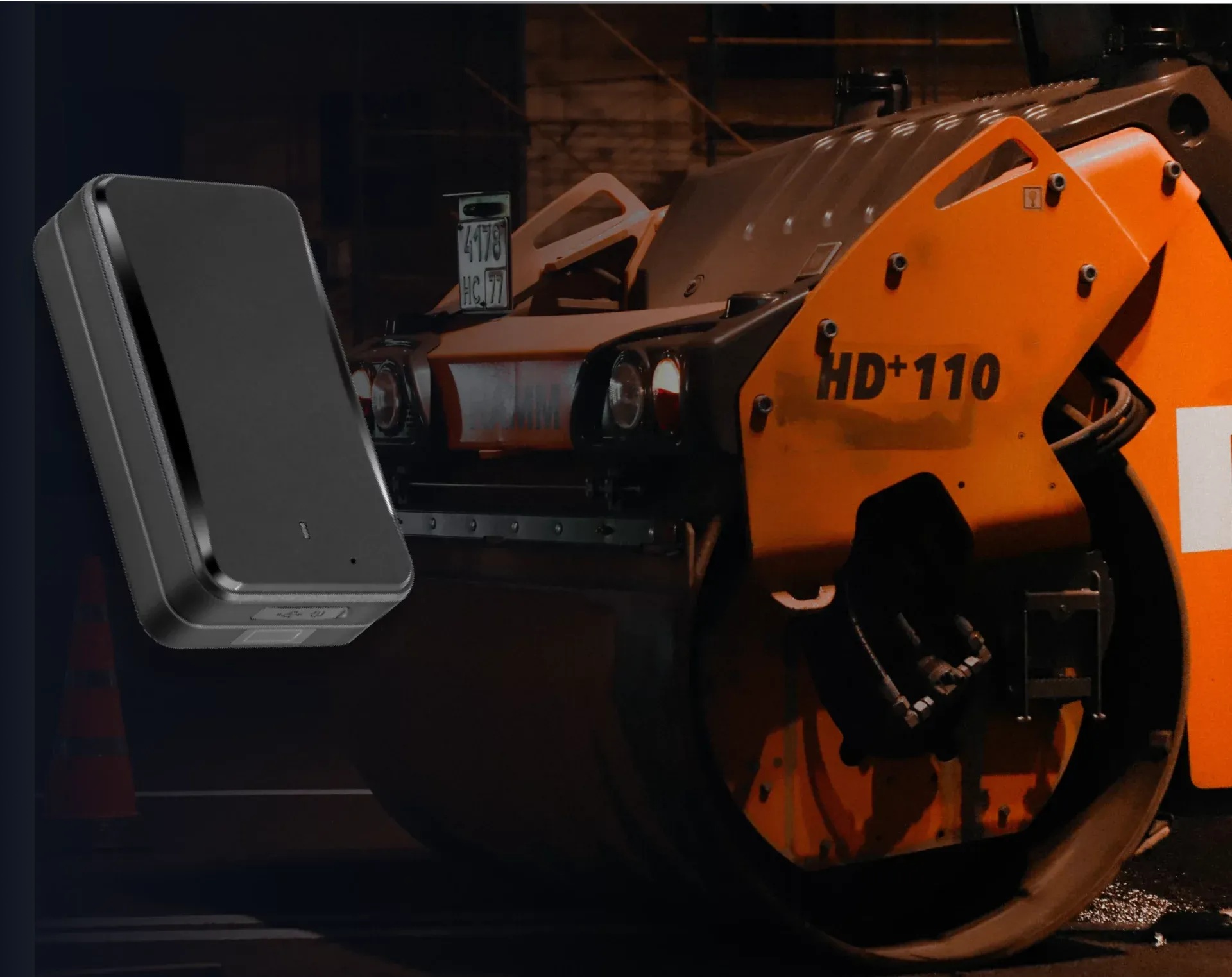
GPS Trackers
Want live tracking without manual scanning? Our GPS trackers automatically update asset locations, so you’ll always know where they are – no user scans needed!
- Tracker size: 11x6x3cm (approx)
- Trackers contain a battery (lasts approx 3 months on one charge)
- Trackers contain a sim card
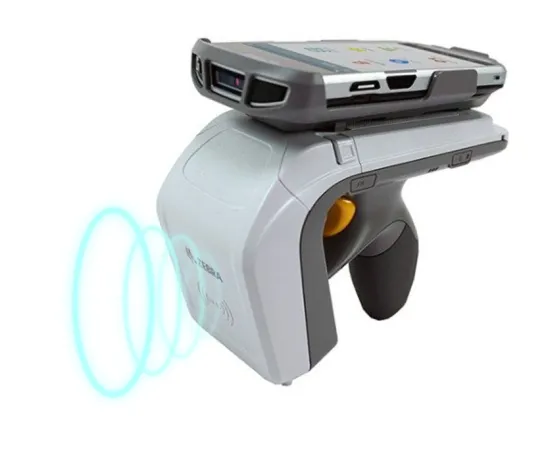
Handheld RFID Reader
Looking to tag your assets with RFID? You’ll need one of our powerful handheld RFID readers.
- Reader connects to itemit mobile app via Bluetooth
- Instantly detects tags nearby
- Automatically records asset’s last seen location

Fixed RFID Readers
Keen to use RFID to manage your assets but looking for full automation? Then our fixed readers are for you.
- Simple, quick, easy set up
- Automated logging of asset locations
- Reader health management built in to itemit

High Quality. UK Printed
Choose from our range of high quality, durable QR asset tags. With vinyl and anodised aluminium options, you can choose the tags most suitable for you.

Hassle-Free Tags
We stock all of our standard QR code tags which means when you need to be up and running quickly, you can be! Simply place your order and we’ll do the rest.

One Stop Shop
With itemit’s complete solution, you not only get easy to use asset tracking software but the asset tags and hardware you need too!
Why Do I Need Asset Tags?
Experience instant asset identification and a seamless integration to your asset tracking system. With a great selection of tags available, you’ll find the perfect tag for every asset.
Tag it. Find it.
Keep track of your critical tools and equipment – assign them to staff, sites, or even vans!
- Scan tags using the itemit app
- See who has your assets and where they are
- Retrieve lost or stolen assets

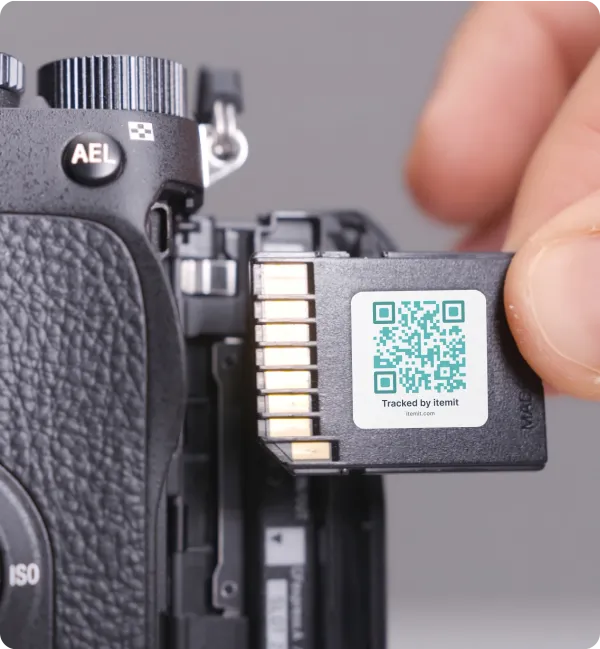
Robust tags for every asset.
No matter what assets you’re tracking IT assets, tools, medical devices, or educational resources – itemit has the right tag for the job.
All tags integrate seamlessly with the itemit asset management software.
Public Profiles.
Every asset with an itemit tag has its own public profile which anyone can scan. This is great for accessing user manuals, reporting an issue with a piece of equipment, or letting you know they have found your lost piece of equipment.
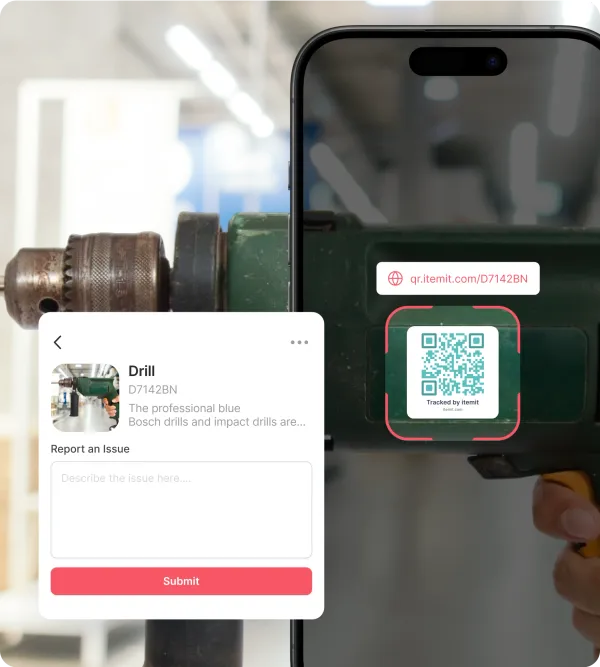
Transforming Chaos into Clarity. Boost Your Efficiency Now.
Discover how itemit streamlines organisation and efficiency at construction sites, schools, offices and more! Witness the impact of these little labels—every tag tells a story!
The Magic of Asset Tags
In a world where things easily get misplaced, asset tags are the unsung heroes of organisation!
A Tag for Every Asset
From laptops, to tools and equipment and everything in between, Itemit has the tags you need.
Wheels for All's Transformation with itemit
Discover how Itemit streamlined asset management for Wheels for All, enhancing efficiency and ensuring inclusive cycling remains accessible to all.

Smarter Equipment Tracking with itemit
See how Itemit streamlined equipment tracking at Cambridge University, reducing lost assets and improving efficiency.
Related Articles.
Explore our deep-dives into tracking technology to find the right physical tags for your environment.
QR Code vs RFID: Which Is Better?
Choosing the right tag technology is critical. Compare QR codes and RFID across cost, read range, durability, and environment suitability.
What Is RFID Asset Tracking?
Learn the fundamentals of RFID technology and how it enables fast, hands-free asset audits without line-of-sight scanning.
QR Code Asset Tags
Explore the accessible, highly durable QR code alternative for construction sites, outdoor tools, and cost-sensitive deployments.
Asset Tags FAQ.
Quick answers to common questions about tagging your equipment.
Asset tags are physical labels — such as QR codes, barcodes, or RFID tags — attached to equipment and assets so they can be identified, scanned, and tracked using software like itemit. Each tag links to a digital record storing the asset's details, location history, and maintenance data.
itemit supports QR code tags, standard barcodes, NFC tags, RFID tags (passive and active), and GPS trackers. Tags are available in a range of materials — from standard vinyl stickers to heavy-duty anodised aluminium — suitable for offices, warehouses, and outdoor environments alike.
Most itemit asset tags are self-adhesive and can be applied directly to the surface of your equipment in seconds. For assets that can't be labelled directly — such as vehicles or machines with curved surfaces — we also offer cable tie tags and rivet-mounted options.
Yes. While tags make scanning faster and more reliable, itemit also lets you add assets manually using serial numbers, model numbers, or any other unique identifier. You can start tracking immediately and add physical tags later when they arrive.
itemit's vinyl QR asset tags start from £149.99 for 500 tags (23mm). Anodised aluminium tags — built for tougher environments — start from £249.99 for 500 tags (25mm). Larger quantities are available at volume pricing. Contact the team for custom or bulk orders.
QR code asset tags require line-of-sight scanning using a smartphone camera and are the most cost-effective option. RFID tags can be scanned without direct line-of-sight and at greater distances — ideal for bulk auditing of large volumes of assets. itemit supports both technologies and they can be used alongside each other.
Yes. itemit's anodised aluminium tags are specifically designed for harsh outdoor conditions and are resistant to dirt, cleaning agents, and physical wear. For general outdoor use, UV-resistant vinyl options are also available. GPS trackers offer real-time outdoor location tracking for vehicles and large equipment.
Yes. All itemit asset tags are designed to integrate seamlessly with the itemit asset tracking app, available on iOS and Android. Simply scan a tag to instantly pull up the asset's full profile, location history, assigned user, and maintenance records. No specialist hardware is required for QR or NFC scanning.
Every itemit-tagged asset has a public profile page. When anyone scans the QR code — even without the itemit app — they can view asset information you choose to make public, such as the owner's contact details, user manuals, or maintenance instructions. This is particularly useful if a tagged asset is lost or found by a third party.
itemit stocks all standard QR code asset tags in the UK, enabling fast dispatch once your order is placed. Custom tags or large-volume orders may require additional lead time. Contact the itemit team to discuss your timeline and requirements.
Our latest blogs
Stay ahead with the latest industry insights, asset tracking tips, and expert advice for efficient management.

Wessex Water: Tracking 5,000+ Assets Across 200 Sites with itemit
Discover how Wessex Water replaced spreadsheet chaos with itemit and gained live visibility of 5,000+ assets across 200 sites and onboarding 42 field users in six weeks.
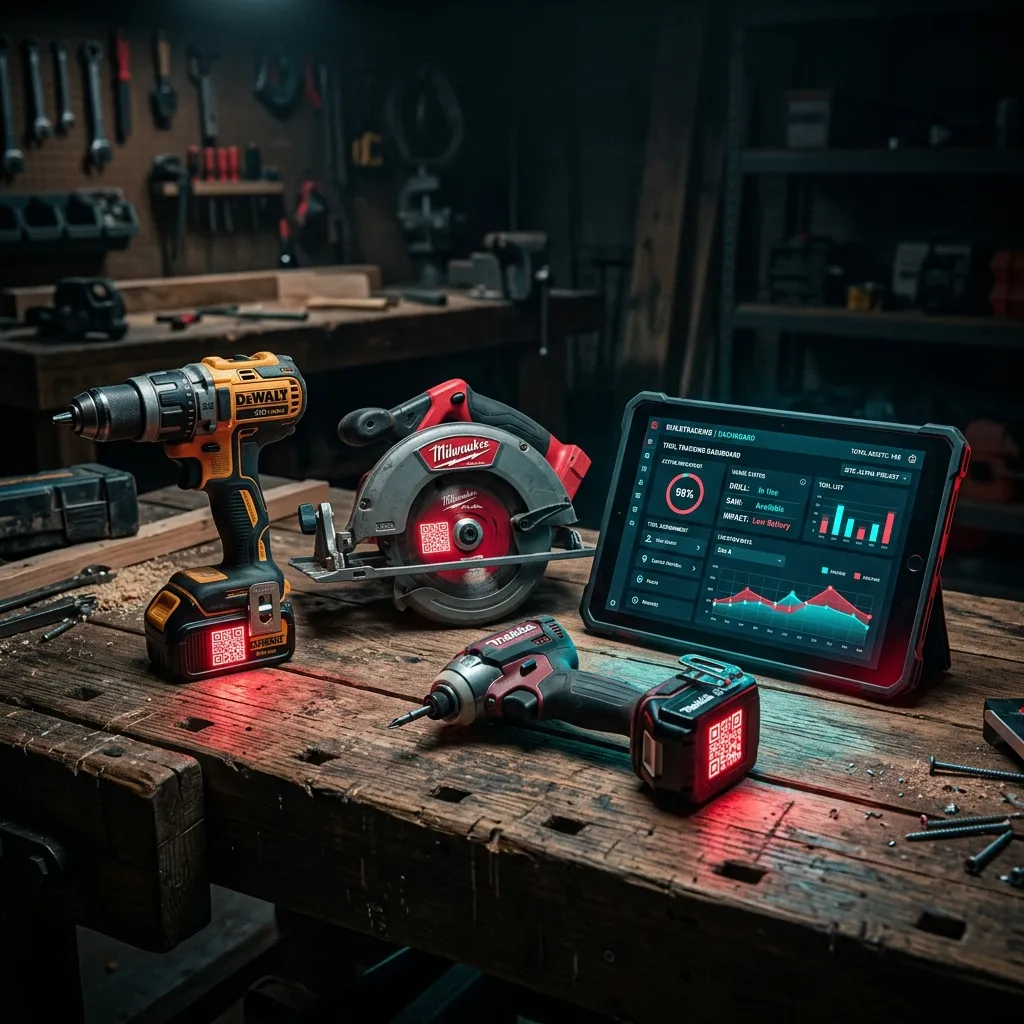
How to Stop Tool Theft and Loss: Construction Tool Tracking Guide
Tool loss costs construction businesses thousands in replacement costs and lost project hours. Learn how to stop tools being stolen from vans, how to stop losing equipment on site, and how a tool tracking app combined with physical security keeps your gear safe.

How to Reduce Equipment Downtime in Manufacturing
When a production line stops without warning, every minute carries a cost. Lost output, idle staff, late shipments, scrap from interrupted runs. A 2025 Censuswide survey of over 600 senior decision-makers and maintenance professionals found that unplanned downtime costs larger UK manufacturers an average of £1.36 million per hour - with total losses across the sector hitting £736 million every week.