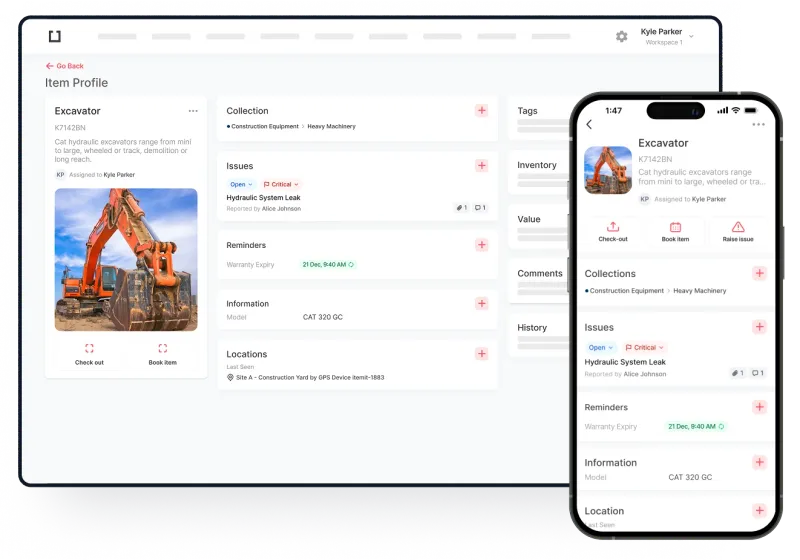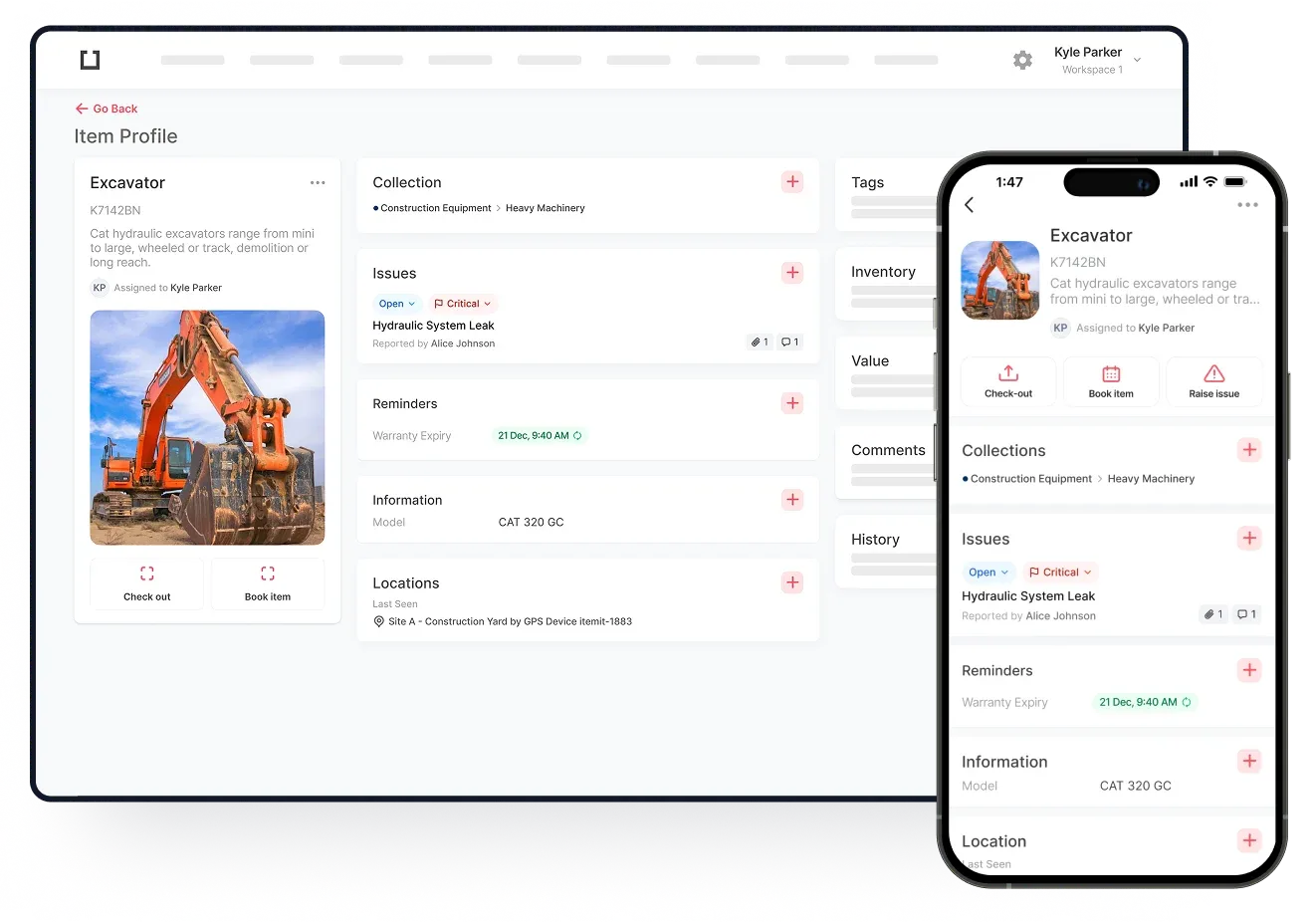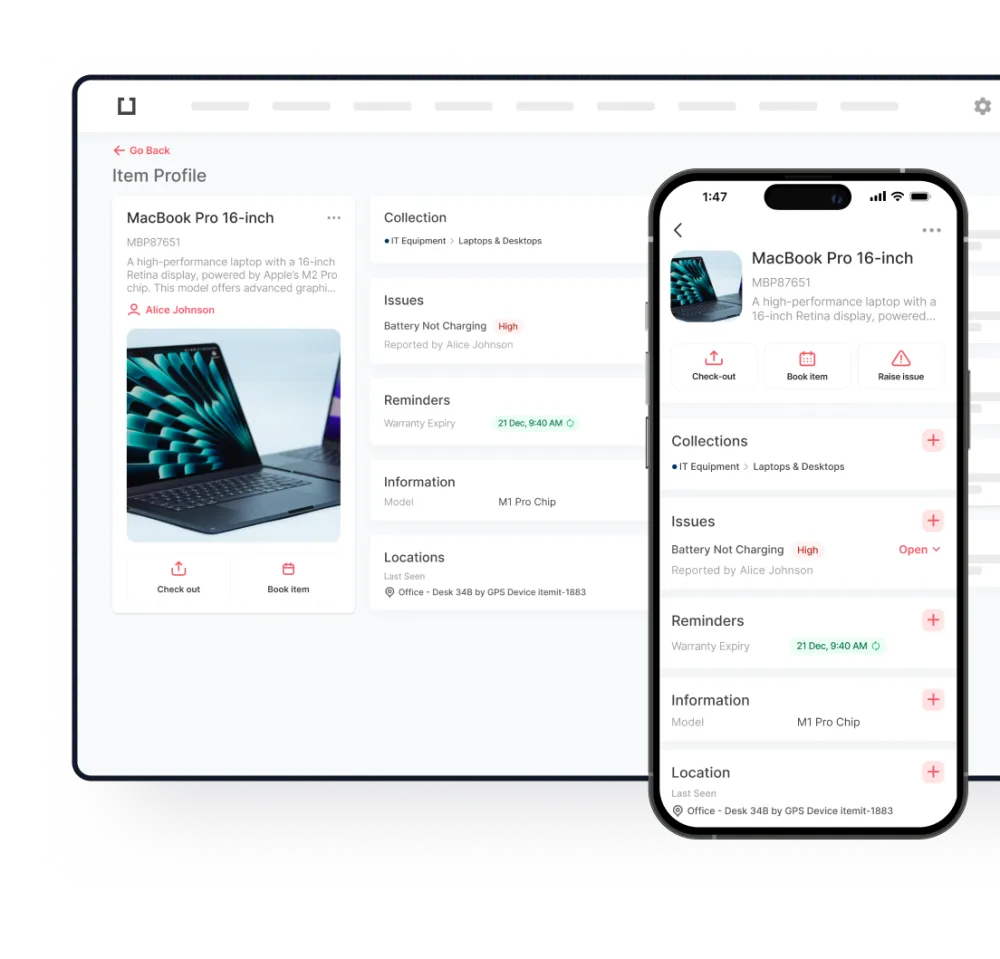

When your network spans hundreds of operational sites and thousands of pressure monitors, flow sensors and test kits, a spreadsheet is not an asset register. It is a liability waiting to fail at audit time. Wessex Water's smart water systems team faced exactly that challenge: equipment records that drifted out of date the moment kit moved between locations, engineers losing hours confirming availability before dispatch and annual audits that routinely ran over because no single list matched physical stock.
Water utilities operate under relentless pressure to maintain service continuity while demonstrating regulatory compliance. That means knowing, with confidence, where critical monitoring equipment is, who has it, when it was last serviced and whether it is available for the next site visit. When those answers live in disconnected spreadsheets, the cost is measured in delayed jobs, duplicated purchases and audit teams working weekends to reconcile reality with records.
This case study walks through how Wessex Water replaced fragmented site spreadsheets with itemit and gained live visibility of 5,000+ assets across 200 sites, onboarding 42 field users in six weeks and eliminating annual audit overruns.
Key Takeaways
* Wessex Water tracks 5,000+ field assets across 200 operational sites from one cloud register.
* 42 team members were fully onboarded within six weeks using QR tagging and mobile scanning.
* Annual audit preparation no longer overruns, reconciled asset lists export on demand.
* Site teams find equipment in minutes instead of hours thanks to last-seen location and custody history.
* Compliance documents attach directly to asset profiles, giving auditors evidence from a single system.
About Wessex Water
Wessex Water supplies water and wastewater services across the South West of England. The smart water systems team monitors pressure, flow and network health using thousands of field instruments deployed across pumping stations, treatment works and remote monitoring points. Keeping that equipment accounted for and available when engineers need it, is essential to maintaining service levels and meeting regulatory expectations.
The team's remit covers a geographically dispersed estate. Instruments move between depots, van stock, temporary monitoring locations and workshop repair benches. Each transfer is an opportunity for records to fall out of sync, especially when updates depend on someone remembering to edit a spreadsheet row at the end of a long shift.
Before itemit, asset records lived in site-specific spreadsheets maintained by different teams. Each file reflected local knowledge, but none stayed accurate once equipment transferred between sites, went out for repair, or was replaced during upgrade programmes. Regional managers described the pre-itemit world as "technically documented, practically unreliable."
The Challenge: Spreadsheet Chaos Across 200+ Sites
The team's pain points clustered around three recurring problems that compounded each other over time.
No Single Source of Truth
Every site maintained its own list. When a pressure monitor moved from one pumping station to another, both spreadsheets could claim ownership, or neither would be updated. Regional managers spent hours merging files before audits, only to discover mismatches when physical counts began.
Version control was informal at best. Filenames like "Asset_Register_FINAL_v3.xlsx" became an inside joke, everyone knew the latest copy might be on a shared drive, a local laptop, or attached to an email thread from three weeks ago.
Dispatch Delays and Lost Productivity
Field engineers called depot staff to confirm whether a specific monitor was available before travelling to site. On busy mornings, those calls stacked up. Teams duplicated purchases because nobody could see identical kit sitting idle two counties away.
One regional lead estimated that engineers lost an average of 45 minutes per week searching for or confirming equipment availability, time that should have been spent on network maintenance and customer-facing work.
Audit Overruns and Compliance Risk
Annual asset reviews required reconciling thousands of records against physical stock. Missing serial numbers, outdated locations and incomplete maintenance histories pushed audits past their planned window, creating compliance risk and pulling senior engineers off operational work.
Auditors asked reasonable questions: show us the chain of custody, prove this instrument was serviced on schedule, demonstrate that decommissioned kit was removed from active lists. Spreadsheet-based processes struggled to answer those questions without manual reconstruction.
“itemit replaced our spreadsheet nightmare across 200+ sites. We finally have visibility of everything, everywhere.” Smart Water Systems Team, Wessex Water
Why Wessex Water Chose itemit
The team evaluated several options but kept returning to three requirements: mobile-first scanning for field staff, a location hierarchy that mirrored their operational structure and audit-ready exports without manual spreadsheet merges.
Enterprise asset management platforms offered depth but introduced implementation timelines and licensing models better suited to capital plant than portable field instruments. Lightweight inventory tools lacked custody history and compliance document storage. itemit sat in the practical middle: powerful enough for audit evidence, simple enough for engineers to adopt in the field.
itemit met those needs without the cost and complexity of a full enterprise asset management rollout. QR tags could be applied in the field, engineers could scan kit from standard smartphones and managers could run exception dashboards from a browser, no specialist hardware required.