ISO 17025 audits do not forgive missing calibration certificates. For SOCOTEC UK's infrastructure inspection teams, that pressure is constant. Thousands of calibrated test instruments spread across regional depots and field vans, with due dates trapped in disconnected spreadsheets and engineers discovering expired certificates only when packing kit for a site visit.
Testing and inspection organisations live and die by traceability. Clients expect compliant equipment on site. Accreditation bodies expect demonstrable control of calibrated instruments. Internal quality teams expect audit packs that reconcile physical stock with documented history, without three days of manual file hunting beforehand.
This case study explains how SOCOTEC UK digitised calibrated equipment tracking with itemit and put 1,850+ devices on a single register across 12 regional depots, cutting audit pack preparation time by 55% and giving managers live visibility of upcoming calibration deadlines.
Key Takeaways
* 1,850+ calibrated devices now tracked on one cloud register across 12 regional depots.
* Audit pack preparation time reduced by 55% with certificate history and custody logs exporting directly from itemit.
* Automated reminders fire 30 and 7 days before calibration certificates expire.
* Regional managers run exception dashboards instead of chasing email threads for missing paperwork.
* Duplicate equipment purchases dropped because depot managers can see available calibrated kit network-wide.
About SOCOTEC UK
SOCOTEC UK provides testing, inspection and compliance services across construction, infrastructure and environmental sectors. Field teams depend on calibrated electrical testers, structural monitoring devices, gas detectors and specialist inspection instruments, each requiring traceable calibration records under ISO 17025 and client audit requirements.
Infrastructure inspection work is mobile by nature. Equipment rotates between depot stores, engineer vans, client sites and external calibration laboratories. Each movement is a compliance event: custody changed, certificate validity must be confirmed and audit evidence must remain intact.
Before itemit, calibration due dates lived in depot-specific spreadsheets. Custody changed hands via email and paper sign-out sheets that were ignored on busy mornings. The result: delayed inspections, duplicate purchases of equipment already sitting in another depot and days of manual work before audit reviews.
The Challenge: Calibration Compliance at Scale
Fragmented Calibration Records
Each depot maintained its own spreadsheet of calibrated kit. Certificate PDFs sat in shared drives with inconsistent naming. When an auditor asked for the full history of a specific flue gas analyser, staff searched multiple folders, sometimes unsuccessfully.
Quality managers spent the week before audits chasing depot leads for updated exports. Even when files arrived, merging them exposed conflicting serial numbers and duplicate entries for the same physical device.
Expired Certificates Discovered Too Late
Engineers often learned a tester was out of calibration when loading a van for a client site visit. That triggered emergency recalibration bookings, rescheduled inspections and reputational risk with clients who expect compliant equipment on arrival.
Client contracts increasingly include equipment compliance clauses, presenting calibration status on demand. Spreadsheet-based tracking made that request stressful rather than routine.
Audit Pack Preparation Bottleneck
Before ISO 17025 reviews, the equipment register team manually collated custody logs, calibration certificates and depot inventories into audit packs. The process consumed days of senior staff time every quarter.
Staff described audit prep as "forensic archaeology", reconstructing where a device had been and who held it based on inbox searches and handwritten sign-out sheets.
“We finally have one live register for calibrated kit across every depot. Audit packs that used to take days now pull straight from itemit with calibration dates attached.” Regional Equipment Register Manager, SOCOTEC UK Infrastructure Division
Why SOCOTEC UK Chose itemit
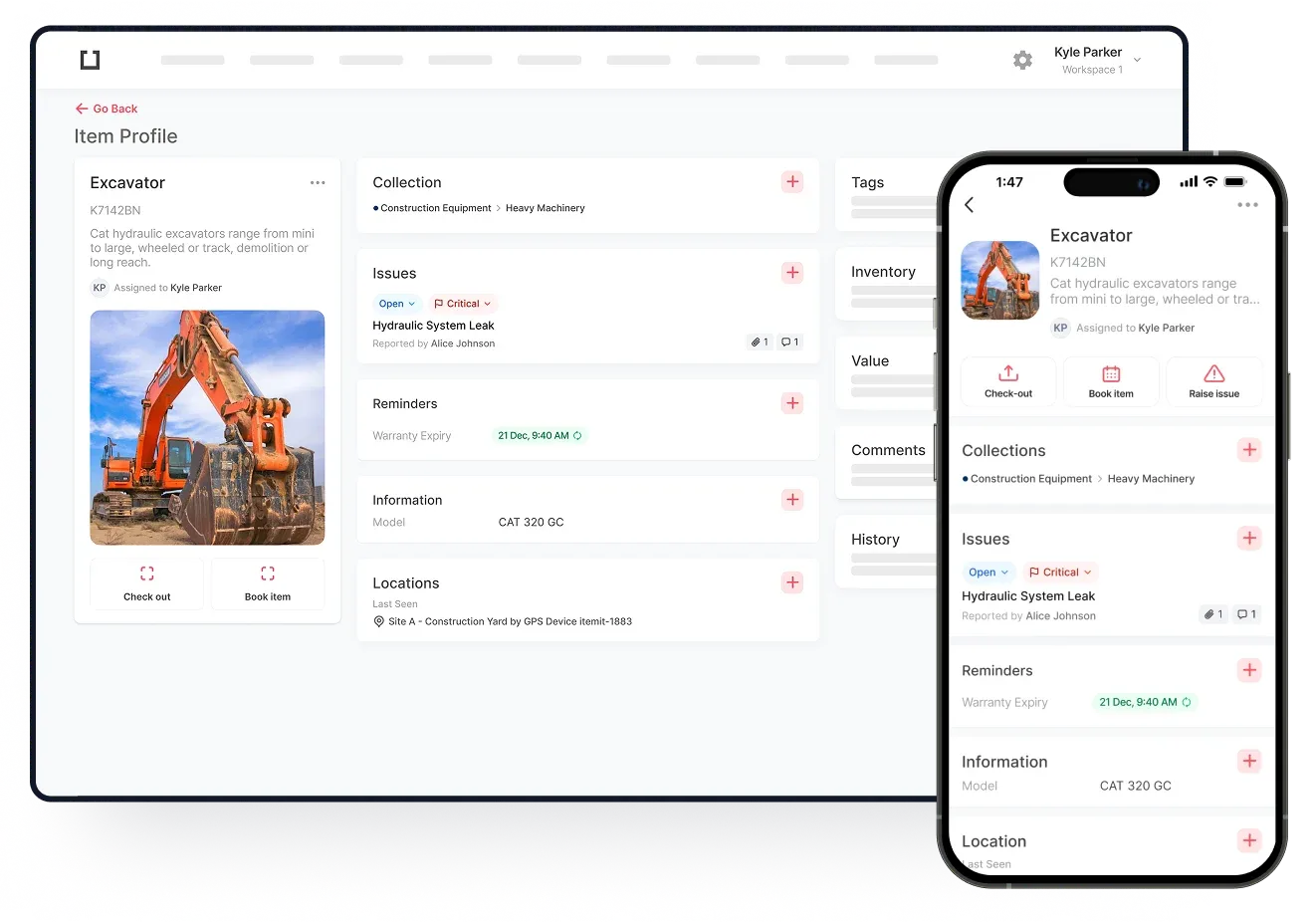
The infrastructure division needed a system that treated calibration due dates as first-class data, not notes buried in spreadsheet columns. itemit allowed each asset profile to store certificate PDFs, calibration intervals, custodian history and depot location, with automated reminders before expiry.
Competing CMMS platforms offered maintenance depth but required heavier configuration for calibration-specific workflows. itemit could be operational in weeks with QR tagging and mobile scanning, matching the division's need for rapid compliance improvement without a multi-year IT programme.
Mobile scanning meant engineers could update custody when moving kit between depots or vans without returning to a desktop. Regional managers gained exception dashboards highlighting overdue calibrations, missing certificates and equipment not scanned recently.