Ever walked into your warehouse and felt that familiar sinking feeling? You know the one—pallets everywhere, missing inventory, and your team running around like headless chickens trying to find what should have been shipped yesterday. We've all been there. The good news? A proper warehouse inventory management system can turn this nightmare into a well-oiled machine.
Think about it. Your warehouse isn't just a big room where you dump stuff. It's the beating heart of your operation. When it works properly, everything flows. When it doesn't... well, that's when customers start calling to ask where their orders are.
The difference between a chaotic warehouse and an efficient one often comes down to having the right system in place. Not just any system, mind you, but one that actually understands how real warehouses work. One that doesn't require a computer science degree to operate.
Let's dive into what really matters when you're looking at warehouse management systems. Because frankly, there's a lot of rubbish out there, and you deserve better.

Key Takeaways
- Real-time tracking stops the "where did we put it?" conversations that waste hours every single day.
- Automated scanning cuts data entry mistakes to practically zero while speeding up every warehouse task.
- System connections mean your warehouse talks to your accounts without you playing telephone between departments.
- Smart reports show you what's actually happening instead of leaving you guessing about inventory patterns.
- Multi-site management lets you see everything from one screen rather than juggling separate spreadsheets.
Real-Time Inventory Tracking That Actually Works
Here's something that'll sound familiar: "We definitely had 50 units yesterday, but now the computer says 23." Sound about right? That's what happens when your system updates once a day—or worse, once a week. By the time you get the information, it's already old news.
A decent warehouse inventory management system shows you what's happening right now. Not what happened this morning. Not what should be happening according to last week's count. What's actually, genuinely happening this very second.
This isn't just about knowing quantities, either. You want to know exactly where things are sitting. Row 3, shelf B, bin 7. Not "somewhere in the warehouse" or "probably near the loading dock." When someone scans an item moving from receiving to storage, the system updates instantly. No delays, no waiting for overnight processing.
The practical impact? Your customer service team stops telling customers, "Let me check with the warehouse," because they already know what's available. Your purchasing manager gets alerts the moment stock hits reorder levels instead of discovering shortages during crisis moments.
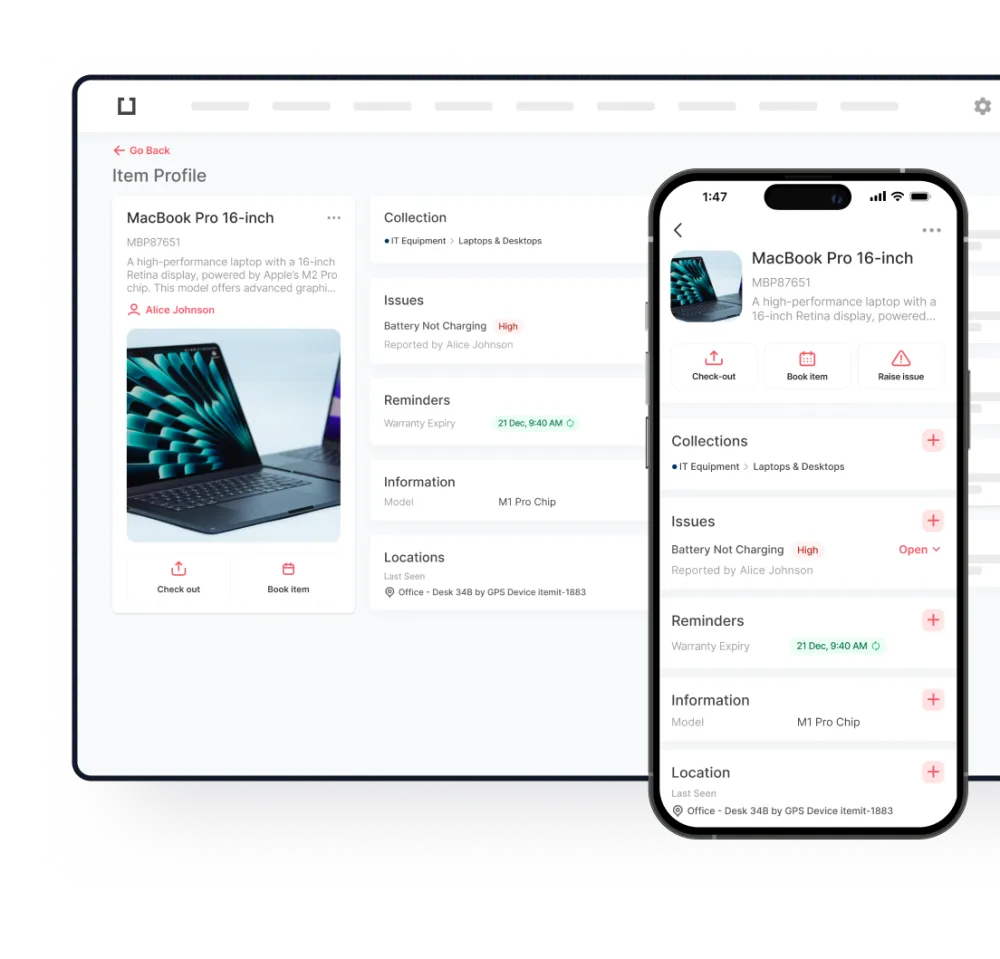
Setting up proper tracking starts with having an effective asset tracking system that captures every single movement without turning your staff into data entry clerks.
Real-time tracking changes how you handle customer promises, too. Instead of crossing your fingers and hoping you've got stock, you know for certain. That confidence shows in how you deal with customers, and they notice the difference.
Scanning Technology That Doesn't Require a PhD
Remember when barcode scanners were these massive, expensive things that only worked half the time? Those days are long gone. Today's scanning tech is so straightforward that your newest temp worker can master it in about five minutes.
What You'll Actually Use
- Barcode scanning — simple, reliable, works every time
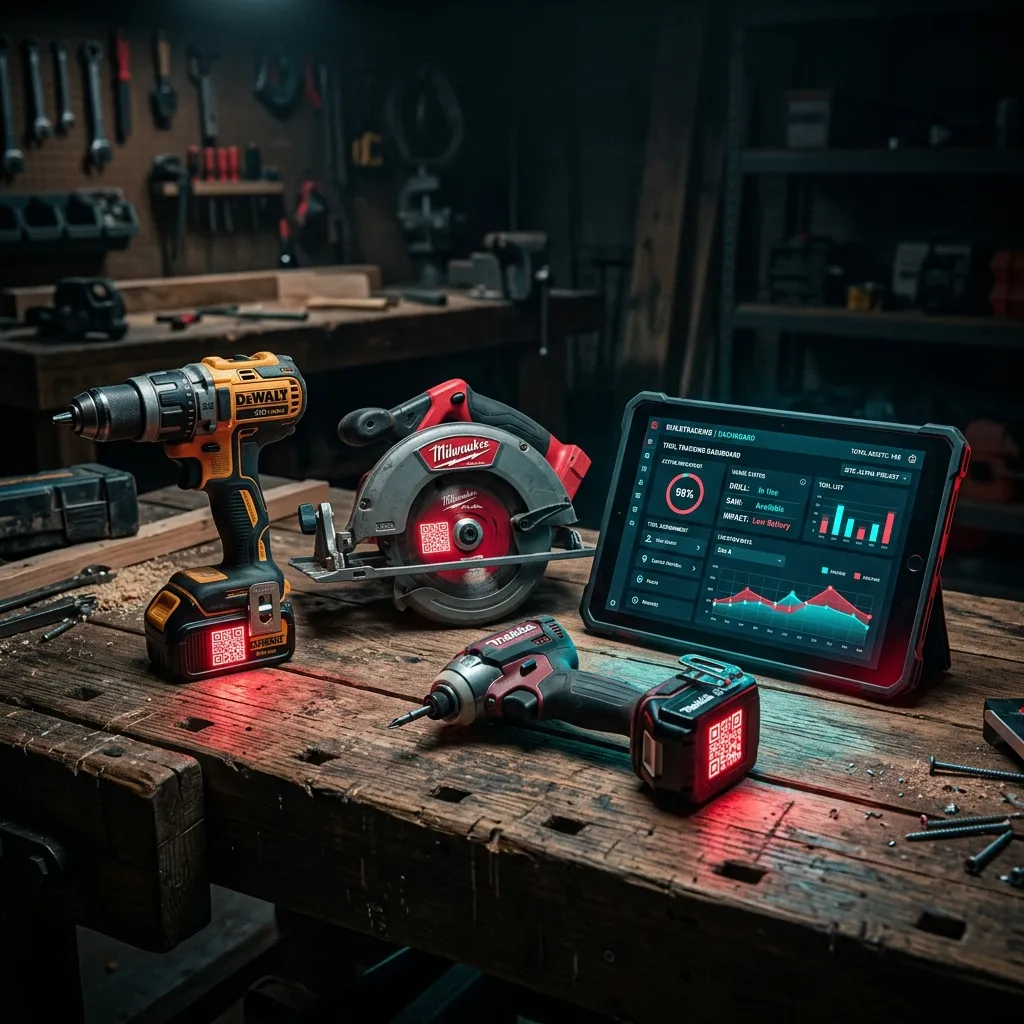
- QR codes — same idea, but hold more information
- RFID tags — no scanning required, just wave and go
- Your phone — yes, really, most systems work with smartphones now
The beauty of modern inventory control system platforms is how they handle the scanning. Your team doesn't need to memorise complex codes or navigate confusing menus. Scan the item, confirm what you're doing, and you're done. The system handles all the complicated stuff behind the scenes.
RFID technology deserves special mention because it's genuinely clever. Tag your items once, and they'll report their location automatically as they move around your warehouse. No scanning, no manual updates, no forgetting to log movements. Items just announce themselves when they pass certain points.
Mobile integration means your staff can update inventory using devices they already understand. Most warehouse management apps work on standard smartphones and tablets. Your team can process deliveries, update locations, and report issues without walking back to a computer terminal every few minutes.
The accuracy improvement is remarkable. Where manual data entry might give you 85-90% accuracy on a good day, scanning typically delivers 99%+ accuracy. Those few percentage points make an enormous difference when you're dealing with thousands of items.

Managing Multiple Locations Without Losing Your Mind
Running one warehouse is challenging enough. Add a second location, then a third, and suddenly you're juggling more balls than a circus performer. Without proper stock control software, managing multiple sites turns into a full-time headache.
The trick is treating all your locations as parts of one bigger system rather than separate entities that happen to share an owner. When someone at Site A needs items that are sitting unused at Site B, the system should make that connection automatically.
Good warehouse layout management goes beyond knowing where things are stored. It suggests where things should go based on how often they move, how big they are, and what else is nearby. Fast-sellers near the dispatch area, seasonal stock tucked away until needed, fragile items away from forklift traffic.
Learning how to improve warehouse organisation through systematic planning and smart placement strategies can double your picking speed while cutting errors dramatically.
Transfer management between sites becomes straightforward when your system coordinates everything automatically. Need to move stock from your main warehouse to the regional depot? The system generates picking lists, shipping documents, and updates both locations' inventory records without you lifting a finger.
Zone management lets different areas operate by different rules. Your temperature-controlled section follows strict protocols, your hazardous materials area has special handling requirements, and your general storage area operates with standard procedures. All within the same system, all coordinated automatically.
System Integration That Works
Your warehouse doesn't exist in isolation. It needs to talk to your accounts system, your online shop, your supplier ordering system, and probably half a dozen other platforms you rely on daily. This is where many warehouse systems fall flat—they work brilliantly on their own but play terribly with others.
Essential Connections
- Accounting software — automatic stock valuations and cost tracking
- E-commerce platforms — real-time stock updates across all sales channels
- Supplier systems — automated ordering when stock runs low
- Shipping software — seamless dispatch and tracking integration
- Customer management — order history and delivery preferences
The goal is to eliminate manual data transfer between systems. When your warehouse inventory management system integrates properly with your accounts package, stock movements automatically update asset values and cost of goods sold. No monthly reconciliation sessions, no hunting for discrepancies.
E-commerce integration means your online shop always shows accurate stock levels. Customer places an order, the warehouse gets notified, and stock levels update everywhere simultaneously. Overselling becomes impossible, customer complaints decrease, and your reputation for reliability improves.
API connections sound technical, but they're actually quite simple in practice. Think of them as digital bridges, letting different software systems share information automatically. Your warehouse system can send data to any other platform that knows how to receive it.
The practical benefit is massive time savings. Tasks that used to require manual data entry between multiple systems now happen automatically. Your team focuses on real work instead of acting as human copy-paste machines.

Reports That Tell You Something Useful
Most warehouse systems generate reports. Lots of reports. Mountains of reports that nobody reads because they're full of numbers but short on actual insight. What you need are reports that answer real questions about your operation.
Usage patterns reveal things you might never notice otherwise. Why do certain products always seem to run out at specific times? Which suppliers consistently deliver early or late? Are there seasonal trends you should plan for? Good analytics dig into these patterns and present answers clearly.
Essential Metrics to Track
- Stock accuracy percentages — how often your records match reality
- Order fulfilment speed — time from order to dispatch
- Pick rate efficiency — items picked per hour per person
- Space utilisation — how much of your warehouse capacity you're using
- Supplier reliability scores — delivery performance and quality metrics
Forecasting tools take historical data and project future needs. Instead of ordering based on instinct or last year's consumption, you get recommendations based on multiple factors: seasonal trends, growth patterns, supplier lead times, and current market conditions.
Custom reporting lets you focus on what matters to your specific business. A pharmaceutical distributor needs batch tracking and expiry monitoring. A fashion retailer wants seasonal analysis and trend reporting. Construction suppliers require project-based allocation tracking. The system adapts to your industry rather than forcing you to adapt to it.
The key is having reports that prompt action rather than just documenting what happened. If stock levels are trending down faster than expected, you want to know before you run out, not after customers start complaining.
User Management Without the Headaches
Different people need access to different information. Your picking staff don't need to see financial data, and your accountant doesn't need to know bin locations. Good user management sorts this out automatically.
Role-based access gives everyone what they need without overwhelming them with irrelevant options. Warehouse operatives see picking lists and location data. Supervisors get performance reports and staff scheduling. Managers access strategic analytics and financial summaries.
Audit trails track who did what and when. Essential for investigating problems and demonstrating compliance during audits. The system logs everything automatically—no additional admin work required.
Team collaboration features coordinate responses to urgent situations. Rush order comes in, system notifies relevant staff automatically. Quality issue identified, appropriate personnel are alerted immediately. Equipment breaks down, maintenance team receives instant notification.
Mobile access means your team can work effectively anywhere in the facility. Update locations from the warehouse floor, process deliveries at the loading dock, and conduct stock counts in remote storage areas. No walking back to office terminals every few minutes.

Getting Started and Growing
Choosing the right system means thinking about tomorrow as well as today. Your warehouse might handle 100 orders daily now, but what about when you're processing 500? Your current single location might expand to three sites. Your basic product range might evolve into complex variations and configurations.
Implementation doesn't have to be a nightmare if you plan properly. Start with core functionality—receiving, storing, picking, shipping. Add advanced features once your team is comfortable with the basics. This approach reduces training stress while delivering immediate benefits.
Training strategy matters more than most people realise. The fanciest system in the world is useless if your team can't or won't use it properly. Look for platforms with intuitive interfaces and comprehensive support resources.
Change management goes beyond technical training. Your staff might resist new processes regardless of long-term benefits. Successful implementations include clear communication about benefits and adequate support during transition periods.
For businesses wanting comprehensive solutions that scale with growth, itemit offers warehouse inventory management features designed for organisations ranging from small warehouses to complex multi-location enterprises.
FAQ
How long does it typically take to implement a warehouse inventory management system?
Most implementations take 2-8 weeks, depending on complexity and integration needs. You'll typically see benefits within the first few weeks of going live.
Can these systems work when the internet goes down?
Yes, many modern systems include offline modes that sync data automatically once connectivity returns. Your operations don't stop because of network hiccups.
What happens to my current inventory data during the switch?
Professional implementations include data migration services that transfer your existing records safely. Everything gets checked for accuracy during the process.
Do I need expensive new hardware, or can I use what I have?
Most systems work with standard smartphones, tablets, and computers you already own. Specialised scanners can improve efficiency, but usually aren't essential for getting started.
How quickly will I see a return on investment?
ROI typically comes from reduced labour costs, better inventory accuracy, fewer stockouts, and improved space usage. Most businesses break even within 6-12 months.