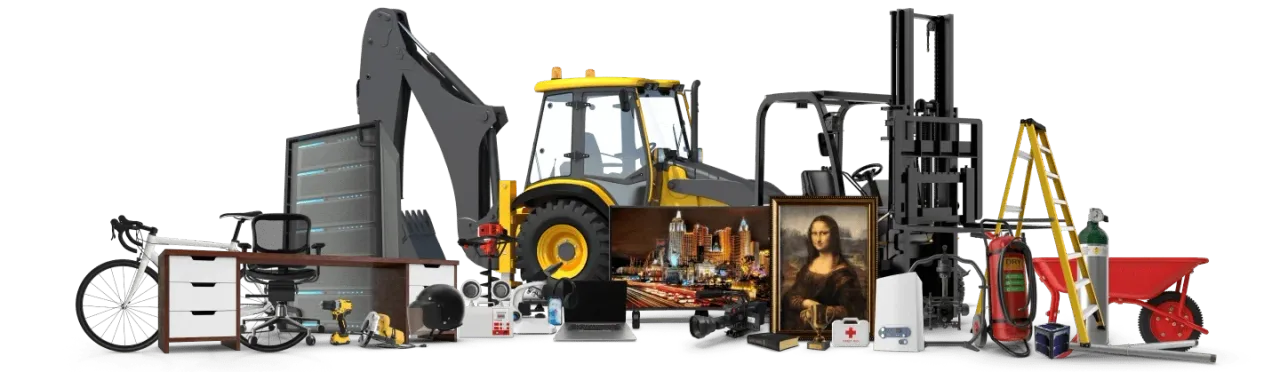
Choosing between RFID vs barcode vs QR code tagging is one of the first decisions you’ll make when setting up a tracking system, and each option fits different budgets and workflows.
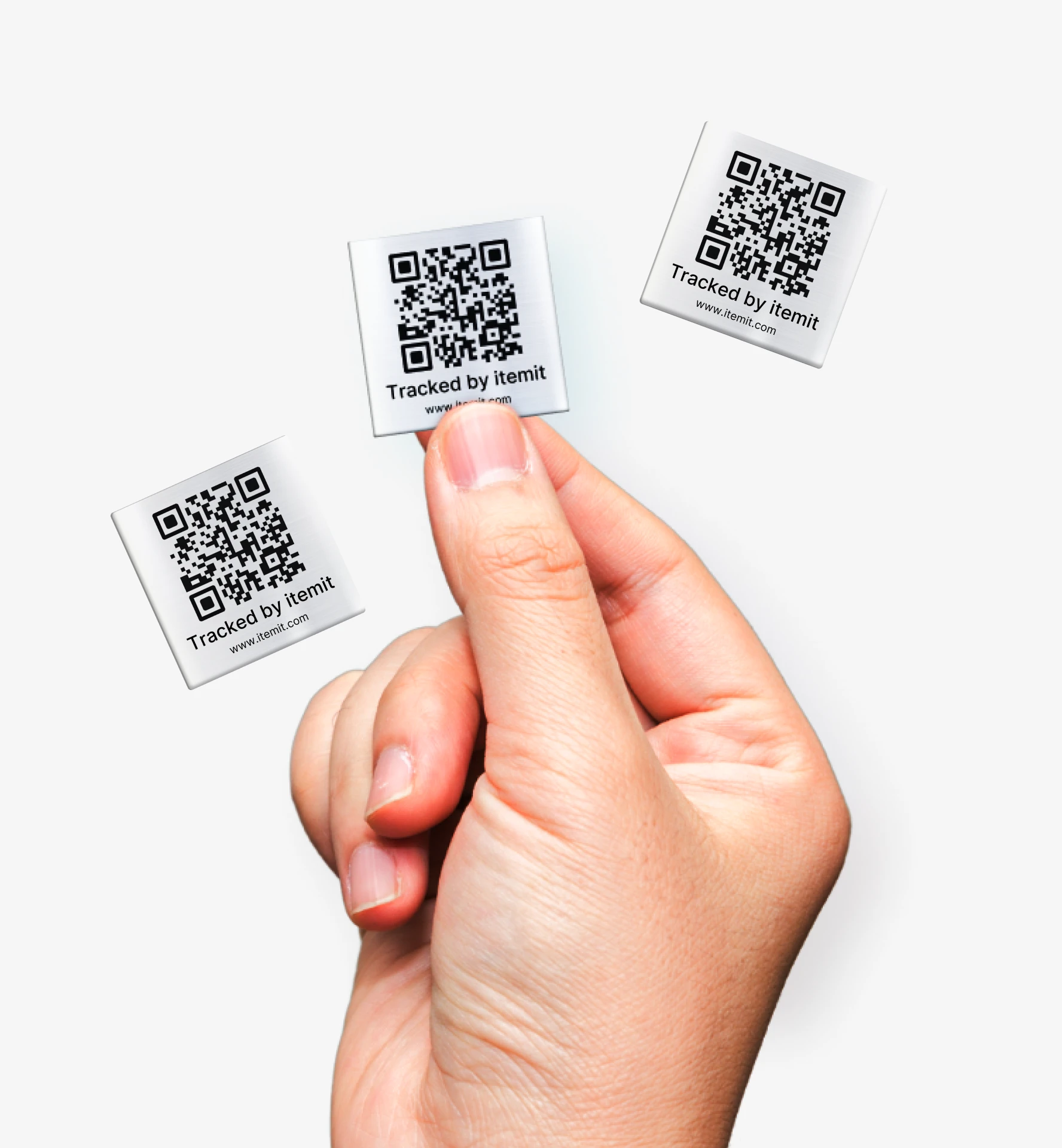
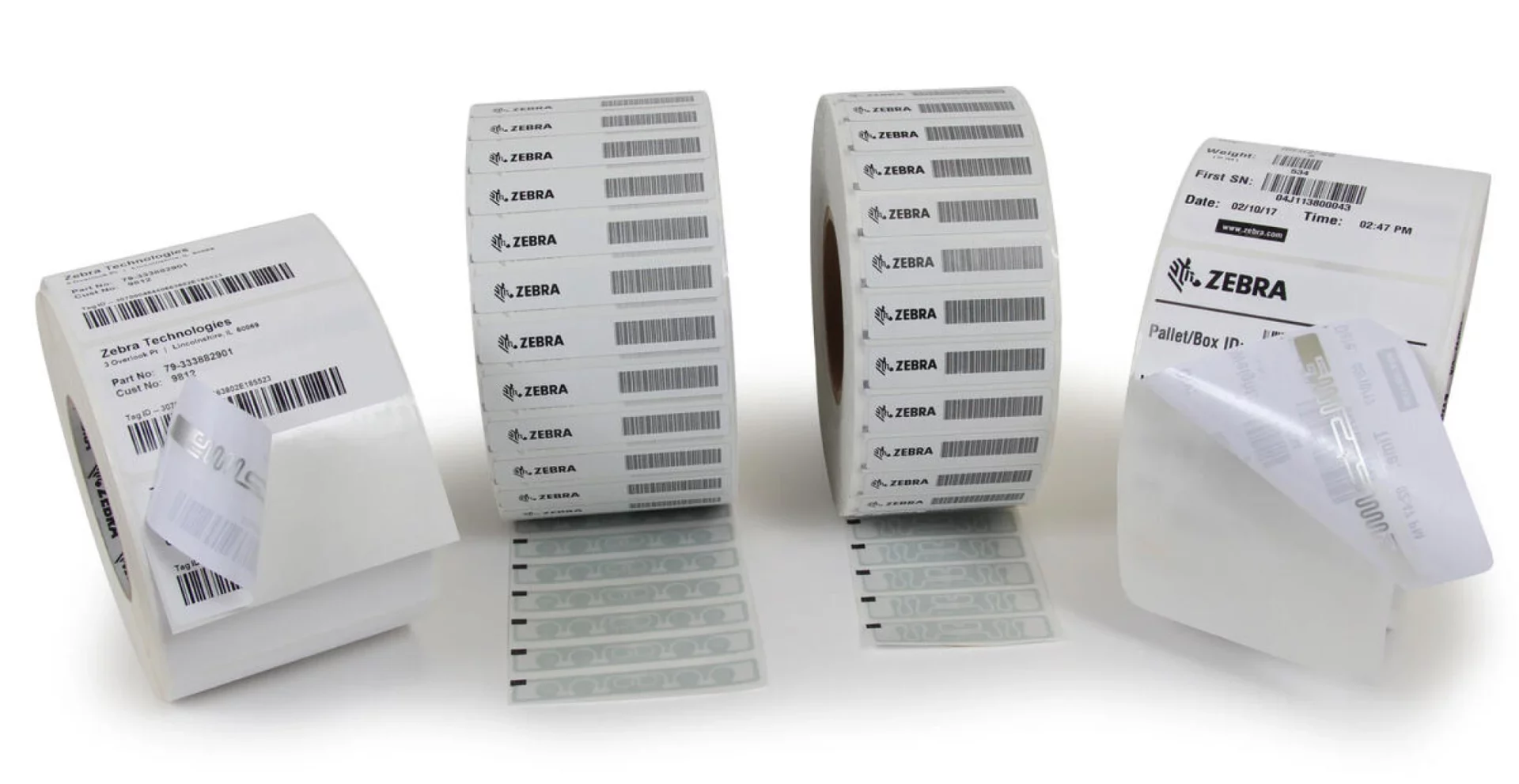
Traditional barcodes are simple lines that require direct line-of-sight scanning, typically used in warehouses. QR codes are square patterns that hold more information and can be scanned by any smartphone camera, making them perfect for mobile teams. RFID uses wireless radio signals to read tags through boxes or walls, allowing you to scan hundreds of items at the same time.
Key Differences: Line of Sight, Scan Speed, and Cost
Choosing the right technology requires balancing speed, hardware costs, and tagging environments:
- Line of Sight Requirements: Barcodes and QR codes must be physically visible to the scanner. RFID tags can be read through dust, packaging, or even walls.
- Scanning Speed and Bulk Audits: QR codes and barcodes must be scanned one by one. Handheld or fixed RFID readers can scan hundreds of tags per second.
- Tag and Reader Costs: Barcode and QR code stickers cost pennies and can be scanned using existing mobile phones. RFID tags are more expensive, and RFID readers require dedicated, specialised hardware.
How to Choose the Right Tagging Technology
Most organisations pick their tracking tech based on their specific inventory workflows and budgets:
- Choose QR Codes if you have a mobile-first team that needs to scan tools, IT equipment, or office furniture on the go using smartphone cameras.
- Choose Barcodes if you are integrating with existing legacy retail, manufacturing, or warehousing inventory databases.
- Choose RFID if you manage high-value assets across warehouses, require rapid bulk audits of full toolboxes, or need automatic room-to-room transit logging.
Ready to deploy RFID? Explore itemit’s RFID asset tracking system to combine RFID, barcodes, and QR codes in one platform.