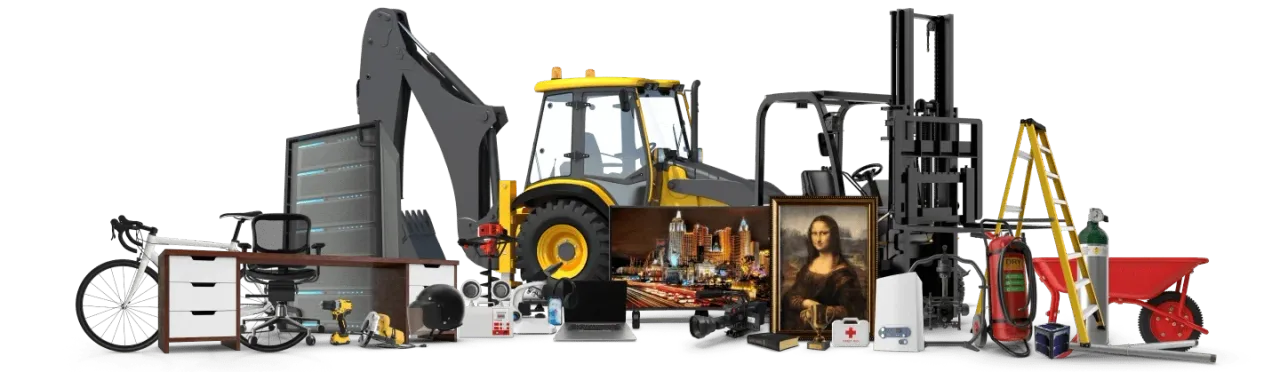
BLE tracking (Bluetooth Low Energy tracking) is a wireless way to keep track of your tools and equipment using small, battery-powered Bluetooth beacons. Unlike the Bluetooth you use for headphones, BLE uses very little power, meaning a beacon can run for years on a simple coin-cell battery.
These beacons constantly broadcast a signal that nearby smartphones or receiver hubs pick up, updating the location of your equipment automatically. It’s a great middle ground for tracking items inside a warehouse or office—faster and more automated than barcodes, but much cheaper than GPS.
How BLE Asset Tracking Works
BLE asset tracking systems rely on three primary technological components to establish continuous location updates:
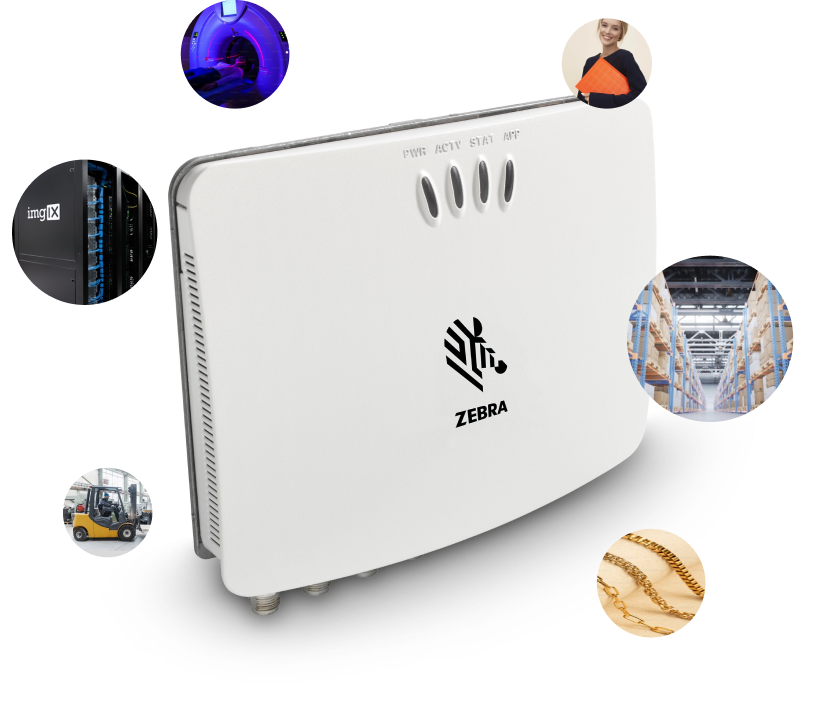
- BLE Beacons (Transmitters): Small, battery-operated tags attached to assets that continuously broadcast Bluetooth signals containing unique ID data.
- Receivers or Gateways: Fixed smart hubs, specialised readers, or even employee smartphones running an asset tracking app that pick up the beacon signals.
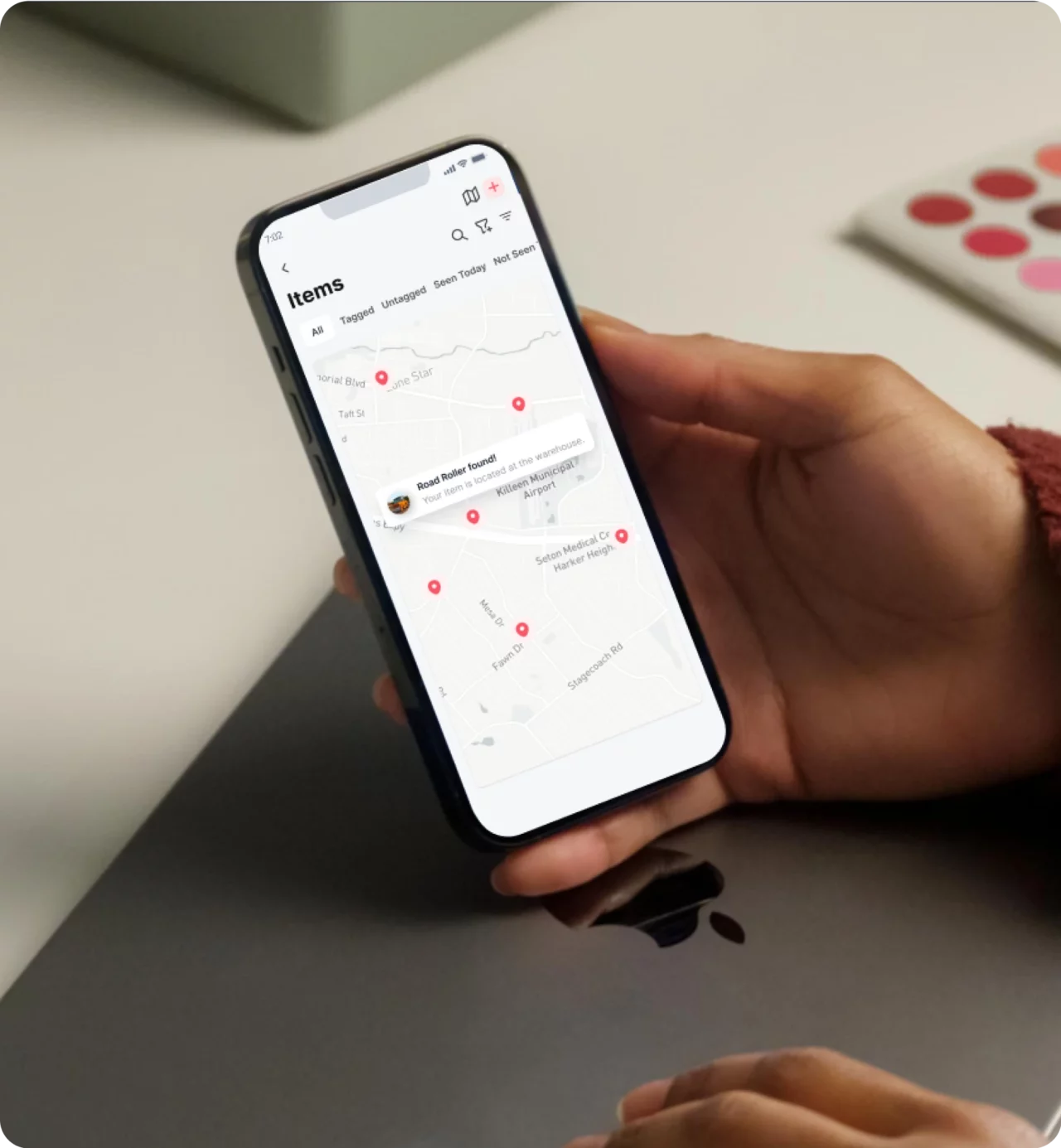
- Cloud Asset Tracking Software: The gateway relays the signal strength (RSSI) and beacon ID to a central server, which calculates the asset’s proximity, updates its location in the database, and displays it on a dashboard.
Benefits of BLE Tracking for Businesses
Deploying Bluetooth Low Energy for tracking assets provides several strategic advantages over alternative tracking technologies:
- Affordable Real-Time Updates: Offers near real-time location updates inside facilities without the high installation costs of active RFID or cellular trackers.
- Exceptional Battery Life: Because BLE requires very little power, beacon batteries typically last between two and five years before needing replacement.
- Geofencing & Security: Automatically alerts administrators if a high-value tool or piece of equipment is removed from a designated zone or room.
- Hands-Free Scanning: Receivers automatically log the presence of tagged items, completely removing the need for manual scanning workflows.
Explore how itemit combines BLE, RFID, and QR scanning in its RFID asset tracking system.