Reader Modes
Fixed + Mobile
Connect Zebra infrastructure, execute high-volume reads, and synchronize RFID activity into operational systems without manual stocktake delays.

Reader Modes
Fixed + Mobile
Primary Models
FX7500, FX9600, TC20, TC22R
RFID reader integration software connects fixed and handheld RFID hardware to a centralised asset intelligence platform so teams can perform rapid audits at operational scale. Instead of scanning one item at a time, compatible readers capture many tagged assets in seconds and send those events into a live cloud register. This reduces stocktake bottlenecks, improves traceability, and enables faster reconciliation across warehouses, depots, and field operations.
Pick reader profiles based on where the scan event happens, not just hardware preference.
Fixed Reader
Best for controlled read points, dock transitions, and recurring transfer checkpoints.
Industrial Fixed Reader
Best for demanding environments where rugged operation and stable continuous reads are essential.
Mobile Workflow
Best for targeted scanning tasks, exception checks, and rapid verification sweeps.
Next-Gen Mobile Workflow
Best for modern mobile operations needing flexible scans and efficient worker mobility.
Support enterprise RFID estates with model-level compatibility and workflows that reflect real operational environments, from fixed portals to handheld exception checks.
Deploy fixed readers at dock doors, tunnel points, and controlled zones to automate detection and reduce manual intervention in repetitive scan corridors. FX-class hardware is well suited to continuous read points where repeatability matters more than ad-hoc mobility.
Equip mobile teams with handheld scan capability for flexible aisle audits, exception handling, and targeted searches where fixed coverage is unnecessary. In practice, TC-series mobile operations are valuable for fast sweeps, verification passes, and resolving location disputes.
Configure reader profiles, map read zones, validate antenna behaviour, and align scan output to item identity rules before moving into production. Typical go-live includes baseline power settings, dead-zone checks, and tagged sample runs per area.
Fine-tune transmit power and positional setup to minimise bleed from adjacent areas, improve confidence in read events, and maintain audit integrity. This is especially important in dense rack environments where adjacent reads can distort stocktakes.
Route RFID events through middleware-friendly integration patterns, then synchronize clean scan records into APIs, reporting pipelines, and downstream systems. Event normalization and de-duplication help keep operational data trustworthy.
Replace slow manual checks with rapid bulk scans to complete stocktakes faster, reduce labour overhead, and improve asset visibility across sites. Teams can move from periodic bottlenecks to more frequent and lower-friction cycle counts.
A practical blueprint for rolling out reader infrastructure without disrupting day-to-day operations.
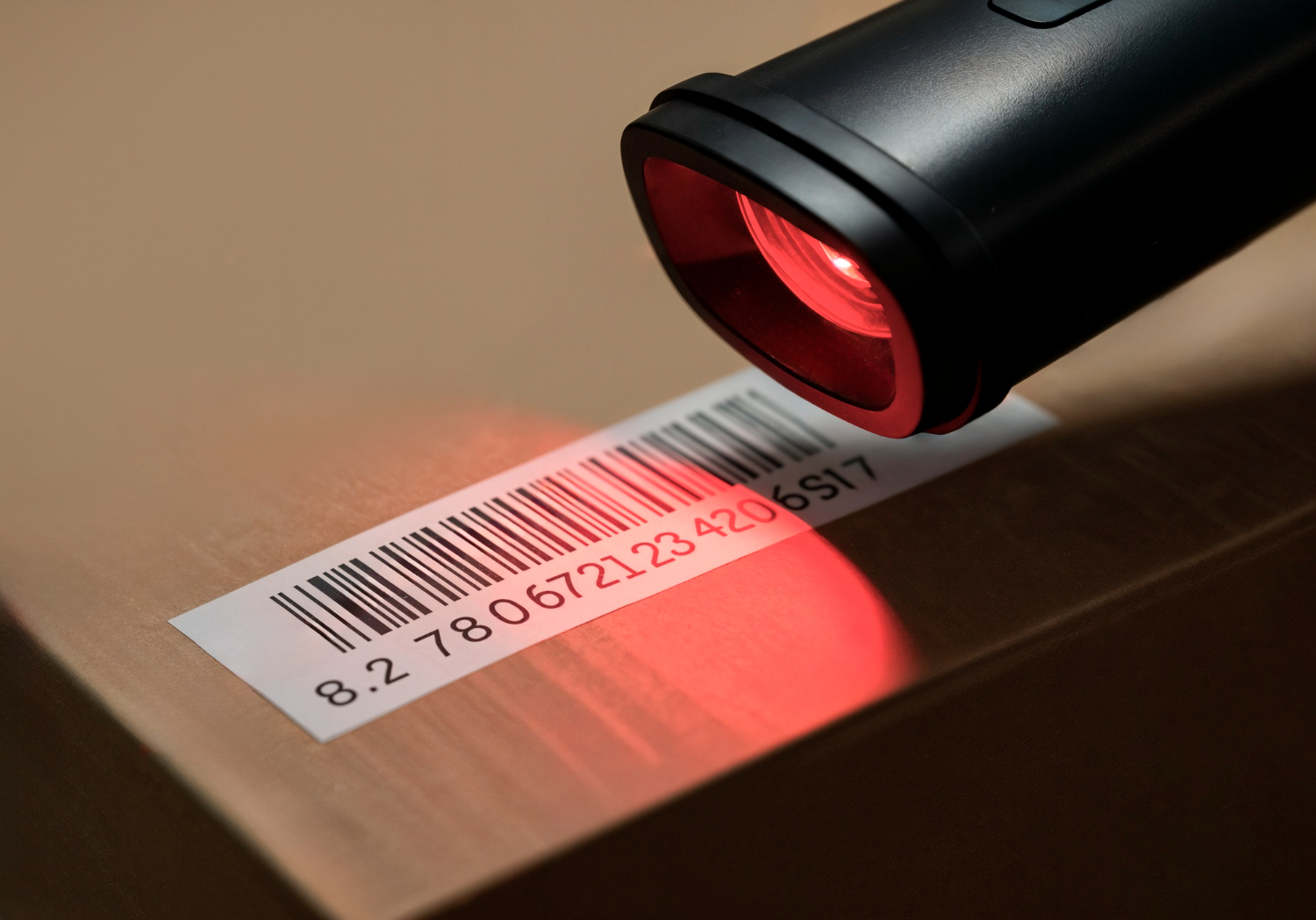
Prioritise dock doors, transfer zones, and high-loss corridors for fixed-reader coverage before expanding to secondary spaces.

Run live pilot scans and check how reads impact receiving, transfer, and audit workflows before production-wide cutover.

Normalize and sync events into itemit APIs so asset status, location history, and reporting pipelines remain consistent.
itemit is built by Redbite Solutions, a University of Cambridge spin-out with roots in the Cambridge Auto-ID ecosystem. The founding team has longstanding RFID expertise linked to EPC standard development and large-scale deployment strategy. This heritage informs how scanner integrations are designed: practical, interoperable, and grounded in production-grade RFID operations rather than lab-only prototypes.
itemit supports enterprise Zebra deployments including FX7500 and FX9600 fixed readers, alongside TC20 and TC22R handheld workflows for scan-and-move operations.
Yes. Teams can adjust read power and scanning behaviour to suit aisle density, tag type, and operational zone requirements. This helps reduce cross-reads and improves audit accuracy in live environments.
RFID reads can be mapped into itemit middleware and API-driven workflows, so scan events update asset states, locations, and stocktake progress in real time for operations and reporting teams.
Connect compatible Zebra infrastructure, accelerate stocktakes, and unify reader events with your operational systems through the RFID middleware platform, intelligent RFID agents, and Zebra RFID integration guide.
Start your trial. 14 days. No risk. No credit card.