Your production line grinds to a halt. Critical components sit backordered while finished goods gather dust in overcrowded warehouses. Sound familiar?
Poor inventory control hits manufacturers where it hurts most, targeting their bottom line and customer relationships. When manufacturing inventory management falls short, the ripple effects spread fast. Late deliveries anger customers. Emergency orders inflate costs. Cash gets trapped in slow-moving stock.
The good news? Manufacturers who nail their inventory processes see dramatic improvements. Some cut costs by 20%. Others boost customer satisfaction scores. Many freed up cash flow that was previously tied up in excess inventory.

What Exactly Are You Managing?
Manufacturing inventory tracking covers more ground than most people realise. Think beyond the obvious raw materials and finished products.
Raw Materials: Your Production Foundation
Steel sheets for metal fabrication. Electronic components for device assembly. Fabric rolls for textile production. Without the right materials at the right time, production comes to a halt. Electronics producers manage complex inventories of circuit boards, screens, and casings, requiring precise control to meet consumer demand without overstocking.
Work-in-Progress: The Moving Parts
Half-assembled products are moving through your production process. These items represent invested time and materials but haven't yet reached their revenue-generating potential. Tracking WIP helps identify bottlenecks before they derail schedules.
Finished Goods: Ready to Ship
Products waiting for customer orders or already allocated to specific deliveries. The balancing act here involves having enough stock to meet demand without tying up excessive capital.
MRO Supplies: The Unsung Heroes
Lubricants keep machines running smoothly. Safety equipment protects workers. Cleaning supplies maintain quality standards. These items rarely grab attention until they're missing and production suffers. Smart manufacturers use comprehensive tracking systems to monitor MRO supplies alongside production materials. Track Manufacturing Equipment capabilities help identify when maintenance supplies are needed before problems occur.

Time-Tested Strategies That Actually Work
Just-in-Time: Lean but Not Mean
JIT focuses on receiving goods only when they are needed for production. This approach cuts storage costs and reduces waste. However, success depends on reliable suppliers and accurate forecasting. One supply chain hiccup can shut down the entire operation.
ABC Analysis: Focus on What Matters
Not all inventory items deserve equal attention. ABC analysis prioritises inventory based on value and usage frequency. The 20% of items generating 80% of your revenue get top-tier treatment. Lower-value items receive standard oversight.
Batch Tracking: Quality Through Visibility
Monitor groups of products made together from start to finish. When quality issues arise, batch tracking enables the quick identification of affected items. Food manufacturers must handle SKUs that encompass grains, proteins, and packaged meals in a manner that neither compromises freshness nor leads to spoilage. Manufacturing operations benefit from visual inspection protocols that document quality checkpoints throughout the batch production process.
Cycle Counting: Accuracy Without Disruption
Skip the annual inventory shutdown that paralyses operations. Cycle counting involves regularly reviewing small inventory sections while production continues. This method maintains accuracy without interruption to operations.
Software Solutions That Deliver Results
Manufacturing inventory management software transforms guesswork into precise control. These systems track materials from delivery through production to final shipment.
Real-Time Tracking Changes Everything
Instant visibility eliminates the "we think we have" problem. Managers see actual stock levels, not outdated spreadsheet estimates. Production planners access current material availability. Purchasing teams get automatic reorder alerts.
Automation Reduces Human Error
Manual tracking creates opportunities for mistakes. Software systems handle routine tasks, such as inventory updates and reorder calculations. Manufacturing inventory software improves production planning by analysing material availability and labour resources without constant human intervention.
Smart Forecasting Prevents Problems
Advanced algorithms analyse historical data, seasonal patterns, and market trends to inform informed decisions. The result? Better predictions of future needs. Sports equipment manufacturers expect order surges during major sporting events that spark consumer enthusiasm.
Integration Multiplies Benefits
The best inventory management software for manufacturing industry applications connects with existing systems. ERP integration ensures data consistency. Production planning tools access current inventory levels. Financial systems get accurate cost information.
Choose Software That Fits Your Operation
Selecting the wrong manufacturing inventory management software costs more than money because it derails operations and frustrates teams. Smart manufacturers match software capabilities to their specific operational needs.
Company Size Drives Software Requirements
- Small Manufacturers (Under 50 employees) need basic stock tracking, automated reorder points, and simple reporting. Budget $50-$500 monthly for cloud-based solutions with barcode scanning and mobile access. Avoid complex multi-module systems that overwhelm small teams.
- Medium Manufacturers (50-500 employees) require multi-location tracking, batch management, and production integration. Expect $500-$5,000 monthly investments for real-time dashboards, automated purchase orders, and cycle counting tools that scale with growth.
- Large Manufacturers (500+ employees) demand advanced forecasting, global multi-site management, and sophisticated analytics. Budget $5,000-$50,000+ monthly for enterprise solutions with API integration, custom workflows, and competitive optimisation capabilities.
Production Complexity Shapes System Needs
- Simple Assembly Operations with limited SKUs and straightforward processes need basic inventory tracking and work order management. Cloud-based systems with standard features are generally effective.
- Multi-variant manufacturing, which handles hundreds of SKU combinations, requires advanced BOM management, variant tracking, and matrix-based inventory planning to manage complex routing and variable lead times.
- Made-to-order production requires project inventory allocation, the creation of custom bill of materials (BOMs), and job costing integration to meet customer-specific requirements and track milestone-based consumption.
- Process Manufacturing requires recipe management, batch genealogy, yield tracking, and regulatory compliance features such as FDA validation and lot traceability, for industries like chemicals and pharmaceuticals.

Best Practices That Stand the Test of Time
Audit Regularly, Disrupt Minimally
Regular inventory audits ensure accuracy and identify opportunities for improvement. Smart manufacturers utilise cycle counting to validate stock levels without interrupting production. Even perpetual inventory systems benefit from periodic physical verification.
Break Down Departmental Silos
Production teams know manufacturing constraints. Sales staff understand customer demand patterns. Purchasing departments manage supplier relationships. Finance tracks costs and cash flow. Success requires all groups working together toward common inventory goals.
Leverage Modern Technology
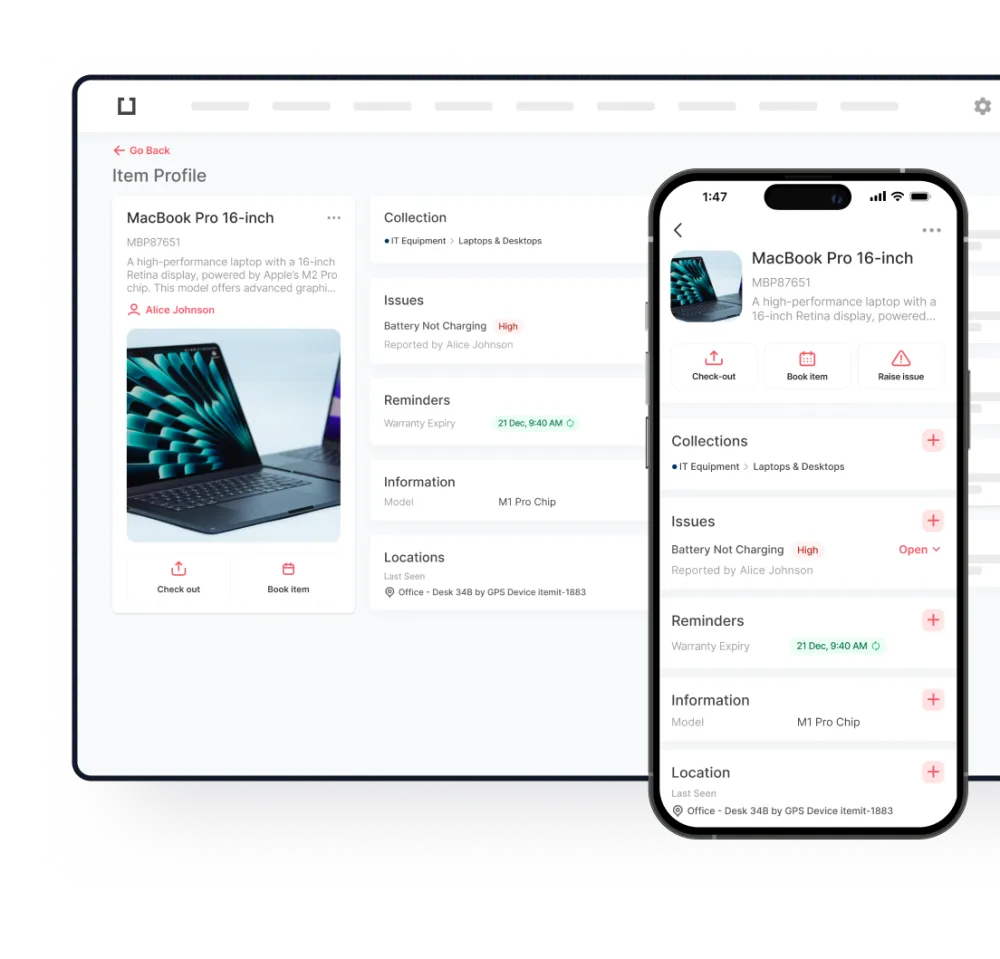
itemit provides asset tracking solutions designed for manufacturing environments. Visual inspection capabilities help maintain quality standards while ensuring regulatory compliance. Tracking the functionality of manufacturing equipment ensures that critical machinery remains operational and reduces unexpected downtime, which can disrupt the flow of inventory.
Build Strong Supplier Partnerships
Reliable suppliers enable lean inventory practices. Regular communication improves demand planning accuracy. Joint planning sessions help suppliers better understand your needs. Strong relationships provide flexibility during disruptions.