If you’re looking to scale your business, you must handle your assets effectively. Knowing what you own and how effectively each bit of equipment is working means you can squeeze out more use, cutting down costs. This is where asset tagging and management come in.
There are a lot of things that can go wrong with your equipment, and when you’re a smaller business, every piece of kit is irreplaceable. You need to know how effective laptops are, how much they cost to run, and when to replace them, for example.
Asset tagging and management can help you keep control of a fixed asset register. To find out why a fixed asset register is so important, check out the blog below:
What is Asset Tagging and Management?
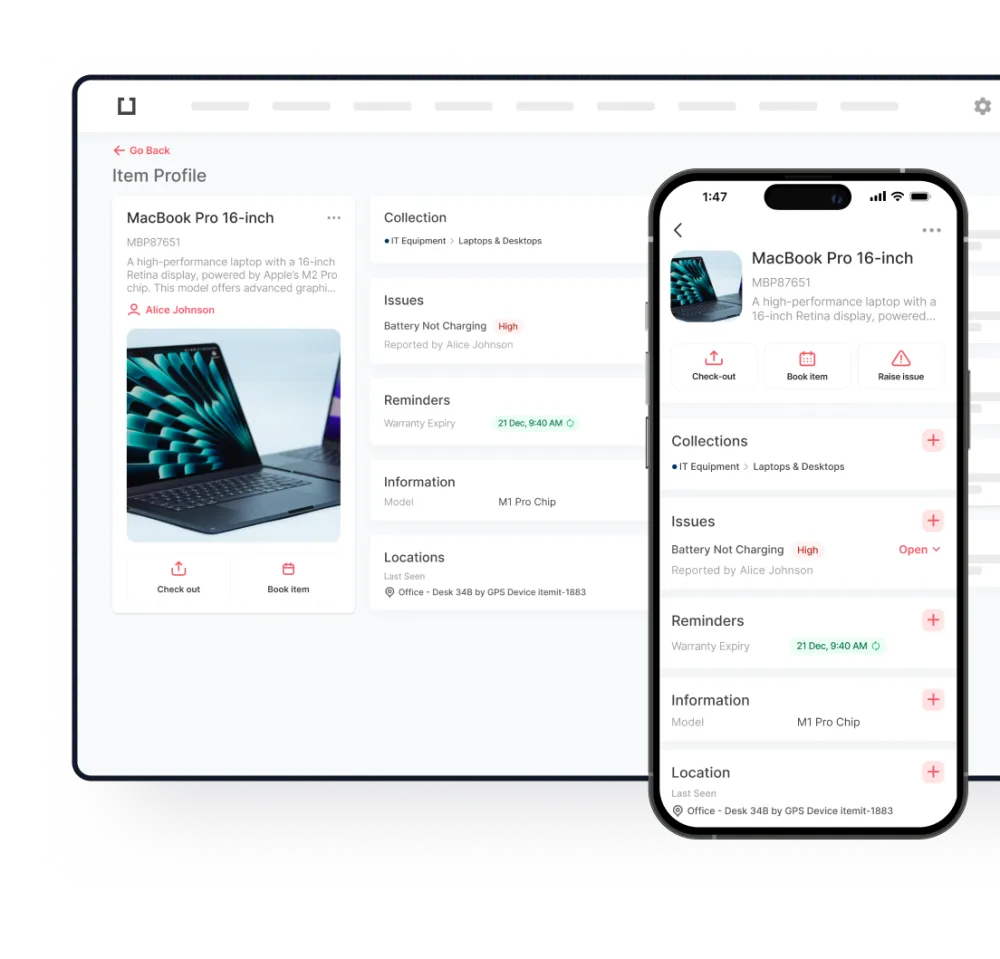
Asset tag management is the discipline of logging and tracking your assets. Following IT asset tagging best practices, you'll use asset tags to track asset location and use an app and web portal to monitor asset changes and status.What you get out of it is a register of your assets, which is clearly visible and editable. So, you’ll be able to implement IT asset management to track where your laptops are and information related to them, such as PAT test information.
You'll be able to add all manner of information to your assets using an asset tagging system, depending on what your asset tracking requirements are.
For example, you’ll be able to use an issues management system to track maintenance. This is incredibly helpful if you’re tracking assets remotely, as you’ll be able to see which ones require maintenance quickly.
What You Can Do With Asset Management Software
The goal of asset tagging and management is clear. These asset tagging and management systems are built so that you can view all the data you need to know about your assets.With this data, you’ll be able to:
- Save time
- Save money
- Reduce the risk of duplicates
- Improve your tax return process
- Maintain assets more effectively
- Check assets out when a colleague is using them
How? Simply due to the functionality asset management software provides you with.
Every level of your business process can be improved. Having a fixed asset register in your asset management software, as opposed to a spreadsheet, allows you to replicate your expenses on your tax returns for all of your fixed assets.
Adding the purchase price and purchase date means that you can simply export this information and log it in your returns accurately. Therefore, you avoid fines and offset your profits further, as you won’t have any zombie assets weighing you down.
 Watch video
The Benefits of Asset Tagging: Why It’s a Game-Changer for Business Growth
Understanding how to tag your assets goes beyond simply tracking what you own—it's about optimising operations, cutting waste, and making wiser corporate decisions. The right asset tagging system can propel scalability, security, and efficiency in your company.
Faster Asset Tracking and Reduced Downtime
Every minute spent looking for missing equipment is missed output. The asset tags benefits include offering real-time location data, removing manual searches, and enabling staff members to rapidly locate and use the assets they require.
Example: A construction company using RFID tags can scan multiple tools at once, ensuring nothing gets left behind at a job site.
Better Financial Control and Cost Savings
Lost, misplaced, or duplicate assets add up to thousands in unnecessary expenses each year. With fixed asset tagging, businesses can:- Prevent duplicate purchases by knowing exactly what’s available.
- Track depreciation for more accurate financial reporting.
- Reduce equipment loss by improving accountability among employees.
Example: An IT firm tracking laptops with QR codes reduces unnecessary replacements by 20% annually.
Seamless Maintenance and Compliance Management
Equipment failure can be costly, but proactive maintenance saves time and money. With asset tagging and management, businesses can:- Schedule automated maintenance reminders for critical assets.
- Keep digital records of repairs, inspections, and compliance reports.
- Avoid regulatory fines by ensuring assets meet industry standards.
Example: A hospital using RFID tags for medical equipment reduces compliance violations and maintenance delays
Improved Security and Theft Prevention
Untracked assets are easy targets for theft and misuse. Asset tagging solutions create a digital footprint, making it harder for items to go missing.- Tamper-proof and GPS-enabled tags help detect unauthorized movement.
- Audit logs show who last accessed or moved an asset.
- Insurance claims become easier with detailed tracking history.
Example: A retail chain using RFID-based security tags reduces inventory shrinkage by 30% per year.
Scalability Without Operational Chaos
As businesses grow, manual tagging assets become unsustainable. Asset tag management lays the foundation for:- Seamless expansion—new locations and teams can instantly integrate with existing asset records.
- Efficient remote asset management for hybrid workforces.
- Data-driven decision-making based on asset utilization trends.
Example: A logistics company using barcode-based tracking scales from one warehouse to five without losing operational efficiency.
Enhanced Customer Experience and Service Quality
When assets are tracked efficiently using asset tagging software, customers benefit too:- Faster order fulfilment due to precise inventory tracking.
- Fewer service delays when equipment is well-maintained.
- More accurate billing and rental tracking for asset-based businesses.
Example: A rental car company using asset tags reduces check-in/check-out times by 40%, leading to higher customer satisfaction.
A Simple Upgrade with Big Returns
The right fixed asset tagging system changes your company rather than only helps it to be organised. From time and money saved to improved security and compliance, these advantages quickly add up and make asset management a strategic advantage rather than only an administrative chore.