Distributed Operations Across Borders
Humanitarian and government programmes operate across regions with inconsistent connectivity, mixed hardware estates, and strict custody requirements for high-value equipment.
Middleware Spoke M5 · Case Study
Redbite Solutions Ltd — a 2006 University of Cambridge spin-out whose co-founders were among the original architects of the EPC (Electronic Product Code) standard at the Cambridge Auto-ID Lab — powers the largest RFID deployment globally across 50+ countries, with clients including the United Nations. This case study explains how reader-agnostic cloud RFID middleware supports humanitarian logistics and government-scale asset governance.
Written by
Dr Alex C. Y. Wong
CEO and Co-Founder, Redbite Solutions Ltd
Cambridge engineering PhD · original EPC Network architect · Cambridge IfM profile
Deployment Scale
50+ countries
Client
United Nations
Architecture
Reader-agnostic middleware
Heritage
EPC standard architects
Global aid and public-sector programmes cannot rely on manual stocktake models or single-vendor reader lock-in. When equipment moves across borders, through field offices, and into high-risk environments, teams need a middleware layer that converts RFID telemetry into trusted custody events — not raw signal noise.
Humanitarian and government programmes operate across regions with inconsistent connectivity, mixed hardware estates, and strict custody requirements for high-value equipment.
Donor-funded and public-sector asset registers must withstand external scrutiny. Location history, check-out records, and stocktake evidence need to be current and defensible.
Global deployments rarely standardise on one reader vendor. Middleware must normalise telemetry from mixed fixed and handheld estates without rebuilding integrations per site.
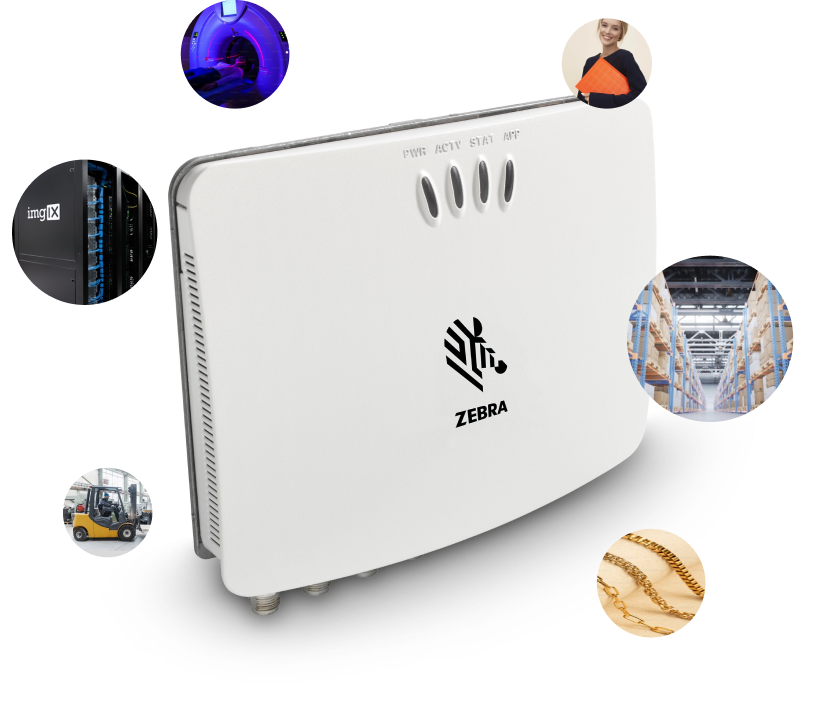
itemit is built by Redbite Solutions Ltd. The platform deploys intelligent agents within fixed RFID readers, enabling simultaneous local and cloud data transmission with offline ERP integration. This reader-agnostic architecture is what allows a single deployment model to operate across the United Nations programme footprint without rebuilding integrations at every site.
Raw tag reads are filtered, deduplicated, and transformed into consistent business events before they reach operational workflows, abstracting hardware differences across countries.
Intelligent agents within fixed readers publish events to on-premise systems and simultaneously to cloud orchestration, maintaining continuity during network disruption.
The deployment follows standards-oriented event flow designed by co-founders who were among the original architects of the EPC Network at the Cambridge Auto-ID Lab.
One middleware control plane coordinates policy, identity, and integration logic across 50+ countries, avoiding per-site custom integration sprawl.
Explore the technical architecture on the RFID middleware platform hub, the intelligent agents spoke, and ERP integration patterns.
When we designed the EPC Network at the Cambridge Auto-ID Lab, the goal was not laboratory RFID — it was enterprise-grade traceability that could survive real operational conditions. That same principle guides how Redbite middleware is deployed for the United Nations programme today.
Field teams need custody evidence they can defend under audit. Middleware must filter duplicate reads, enforce zone logic at the edge, and queue events when connectivity drops. Cloud orchestration then provides the governance layer that coordinates policy across countries without fragmenting into dozens of incompatible local builds.
Redbite powers the largest RFID deployment globally across 50+ countries. The United Nations deployment demonstrates that reader-agnostic cloud middleware — not hardware-locked platforms — is the architecture humanitarian logistics and government procurement teams should evaluate when scale, auditability, and continuity matter.
The same middleware architecture that supports global humanitarian logistics also applies to NGO programmes and government asset governance.
How charities and non-profits protect donated equipment, simplify audits, and maintain donor accountability with scalable inventory control.
How public-sector teams secure restricted assets, maintain compliance, and demonstrate accountability of public funds.
Discuss reader-agnostic architecture, edge agents, and integration workflows for humanitarian logistics, NGO programmes, or government asset registers. Return to the RFID middleware hub for the full spoke map.
Start your trial. 14 days. No risk. No credit card.