Fixed asset RFID tracking can feel like a strange world from the outside. It is becoming more commonly spoken about and better known, but a lot of the requirements you need as a business are still murky, which creates a barrier for many businesses.
There are a few barriers to adoption that SMEs face or, at least, think they do. This is as for years these difficulties have been substantial. They include:
- Set up costs
- Development costs
- Lengthy setup time
- In-depth technical knowledge of RFID required
- Middleware, and therefore liaison, required
- Running costs
Due to a variety of mitigations, fixed asset RFID tracking is now available to SMEs as software can be purchased off the shelf, hardware can be rented and middleware is no longer required, meaning fixed RFID tracking is plug-and-play.

What Are The Benefits Of Fixed Asset RFID Tracking?
Fixed asset RFID tracking comes with many benefits, some immediately clear and others less so. To fully leverage the benefits, you need to set up your asset tracking software correctly.
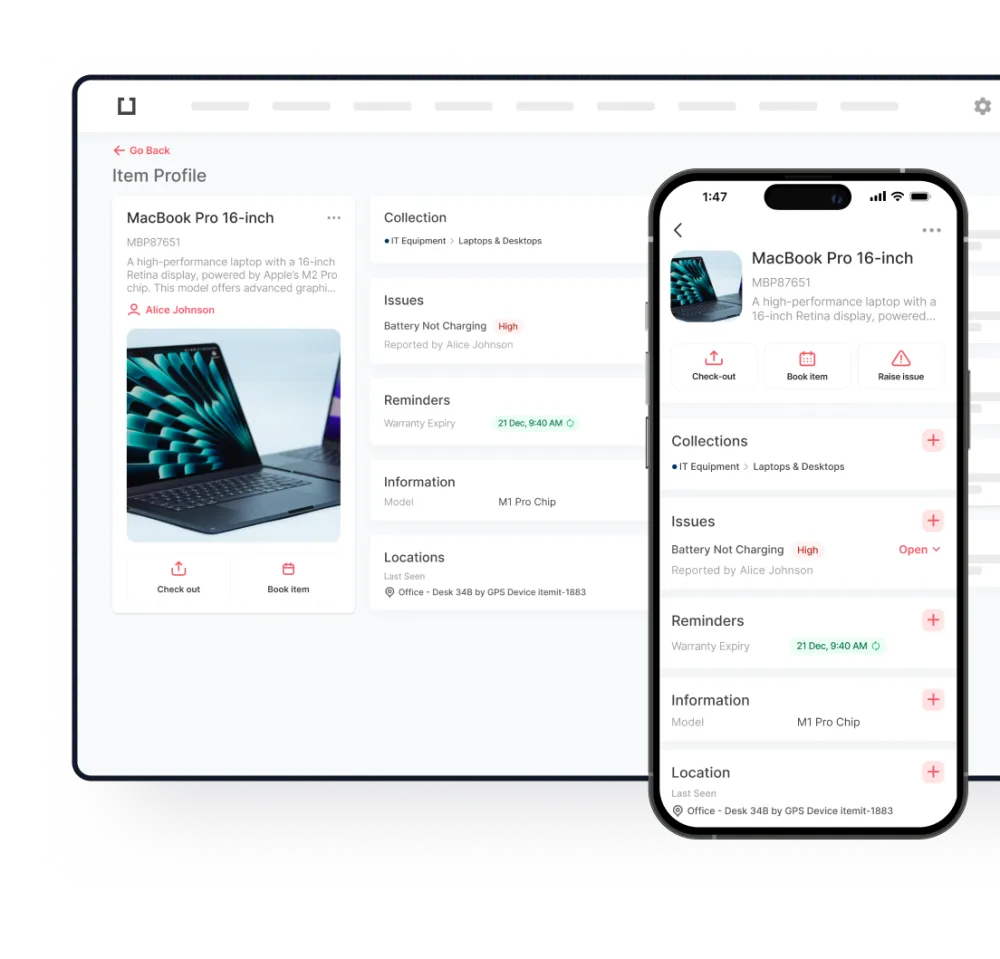
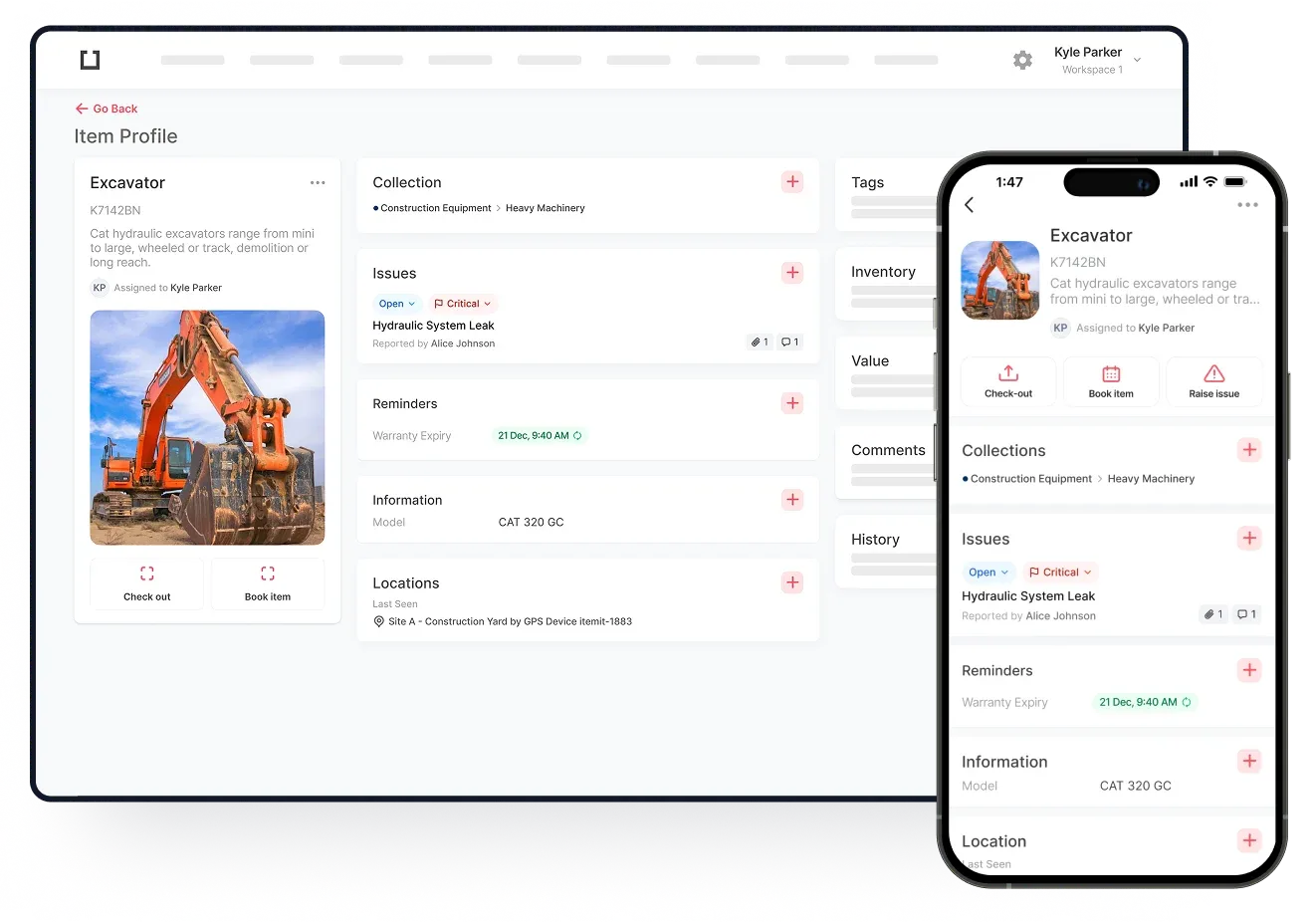
This means that your backend needs to have assets, asset information, and asset data and locations logged correctly. Then, you can take your fixed asset RFID tracking further.
This is as, once the data is there, you can completely automate the location tracking elements of your fixed RFID asset tracking, therefore losing fewer assets and keeping an eye on where everything is.
Less immediately obvious benefits include health and safety as well as speed. This is as, whether you're using a handheld RFID reader or a fixed reader, you do not have to physically interact with your assets to account for them and can instead track them from a distance.