Fixed asset tracking is essential when your business is trying to find ways to save time and money. The benefits are clear. When you track your fixed assets, you avoid tax and insurance risks, lose fewer assets, purchase fewer duplicates and create an effective accountability trail.
Is a spreadsheet good enough to handle this? The short answer is no. A spreadsheet is good for logging which assets you own, but then further than that you'll start to lose money. Every time an asset is decommissioned, moves or is damaged, a spreadsheet becomes incomplete and so the money you've saved is completely lost.
Fixed asset tracking software gives you a return on investment so, while it isn't free, you end up with more time and money than you would if you were using a spreadsheet for your fixed asset register.

The Best Way To Log Fixed Assets
You may already be logging your assets onto a spreadsheet and using this as your fixed asset register. This isn't the best way of doing things as spreadsheets create accountability risks and gaps.
The concept is clear, though, you need to log each of your assets (a row) and add data and information against them (a column). The reason that a spreadsheet is so unwieldy is that every time an asset changes, single cells change and it can be difficult to pinpoint what needs editing.
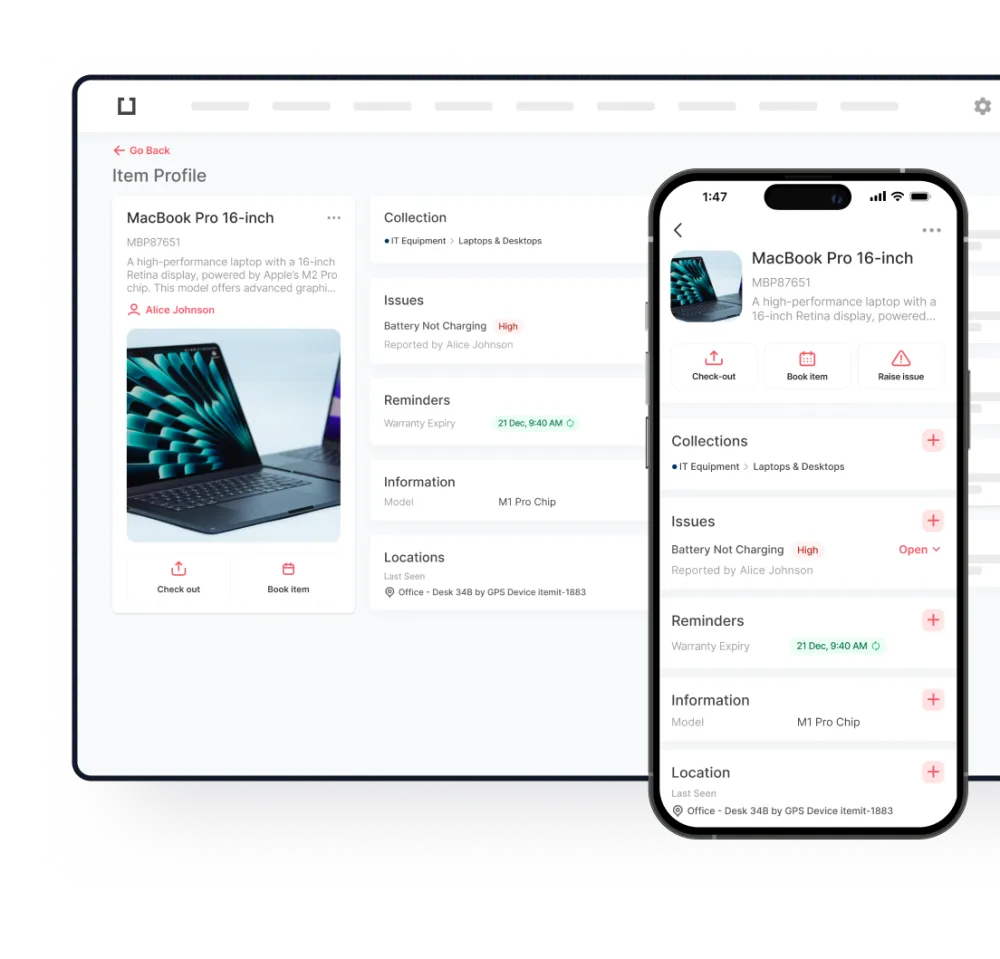
This is where fixed asset management software comes in. With fixed asset management software, instead of logging your assets as rows, you log them as unique, digital profiles.
Then, you can add data to these profiles, such as maintenance reminders, usage history and assignees, to indicate which of your colleagues is responsible for the asset.
This automatically gets pulled into a fixed asset register that you can export as a pdf or spreadsheet. So, you still get the benefits of a spreadsheet without the risks they create.
Tracking Depreciation & Lifecycle
One of the best ways to track your fixed assets is tracking their lifecycle. This allows you to extend asset usage and get more out of your assets, a cost-saving benefit that is often overlooked.
Not only does more transparency and control over your asset register mean that you purchase fewer duplicate assets, but it also means that you purchase assets less frequently in general.
This is why tracking maintenance, using reminders and issues management, and tracking how your assets are depreciating is essential. Knowing the value of your overall asset register is critical for auditing, but also gives you a good idea of how up to date your asset register is and shows you if there are any gaps.
 Watch video