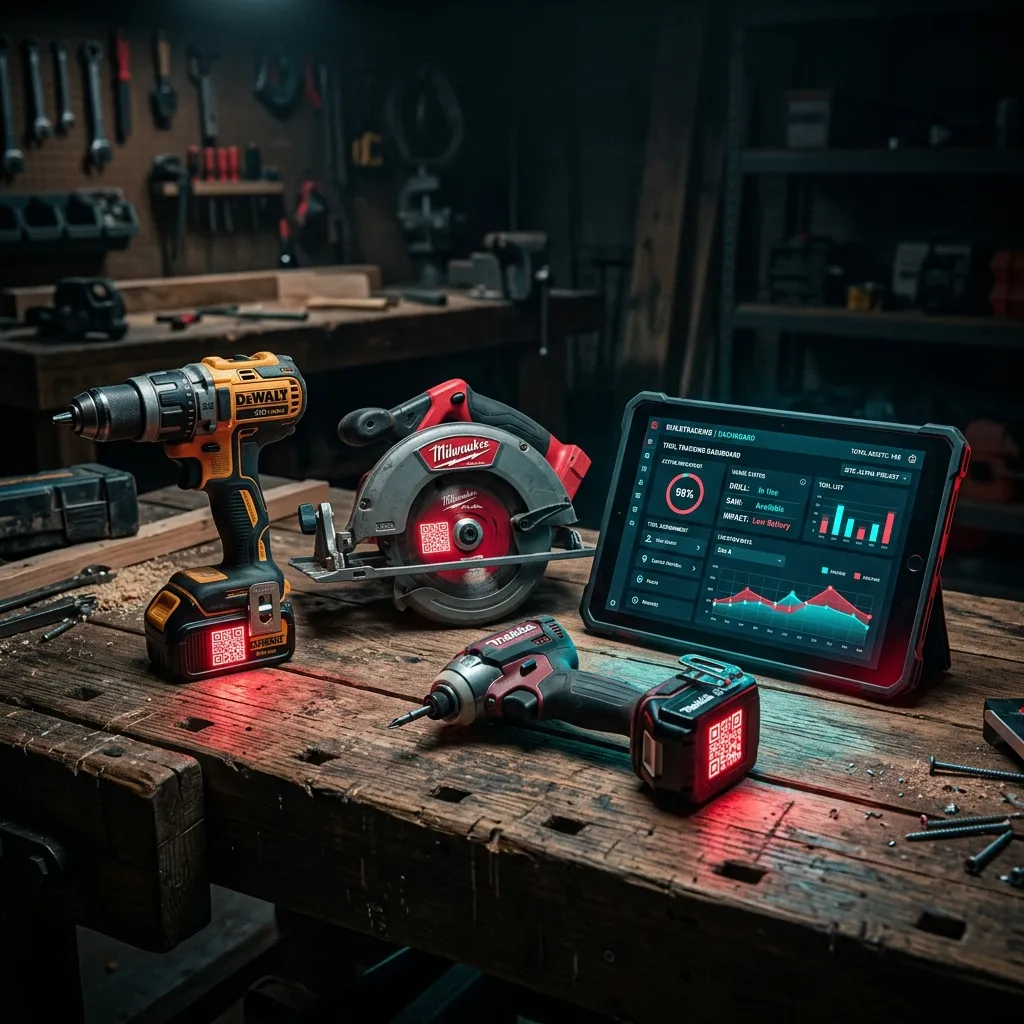
Leveraging an asset tracking system gives you a wide range of benefits, from clearer asset level operations to more control and transparency over your tools and equipment.
In turn, these benefits save you both time and money, especially as they'll speed up your existing operations while reducing asset losses, duplicate purchases, and the risk of ghost and zombie assets.
So, what is the best asset tracking system? One that allows you greater levels of control, clarity and speed over your asset level operations.

How Asset Tracking Software Saves You Money
If you have a fixed asset register in the form of a spreadsheet, you'll already be aware of the benefits asset tracking can provide you with.
With no visibility over your assets, issues go unaddressed, assets go missing, and overall accountability falls apart. This is why it is essential to log your assets and add data to them.
Asset tracking software takes this principle and brings it to the next level. Spreadsheets have limitations, as asset data is confined to singular cells as opposed to a visible system.
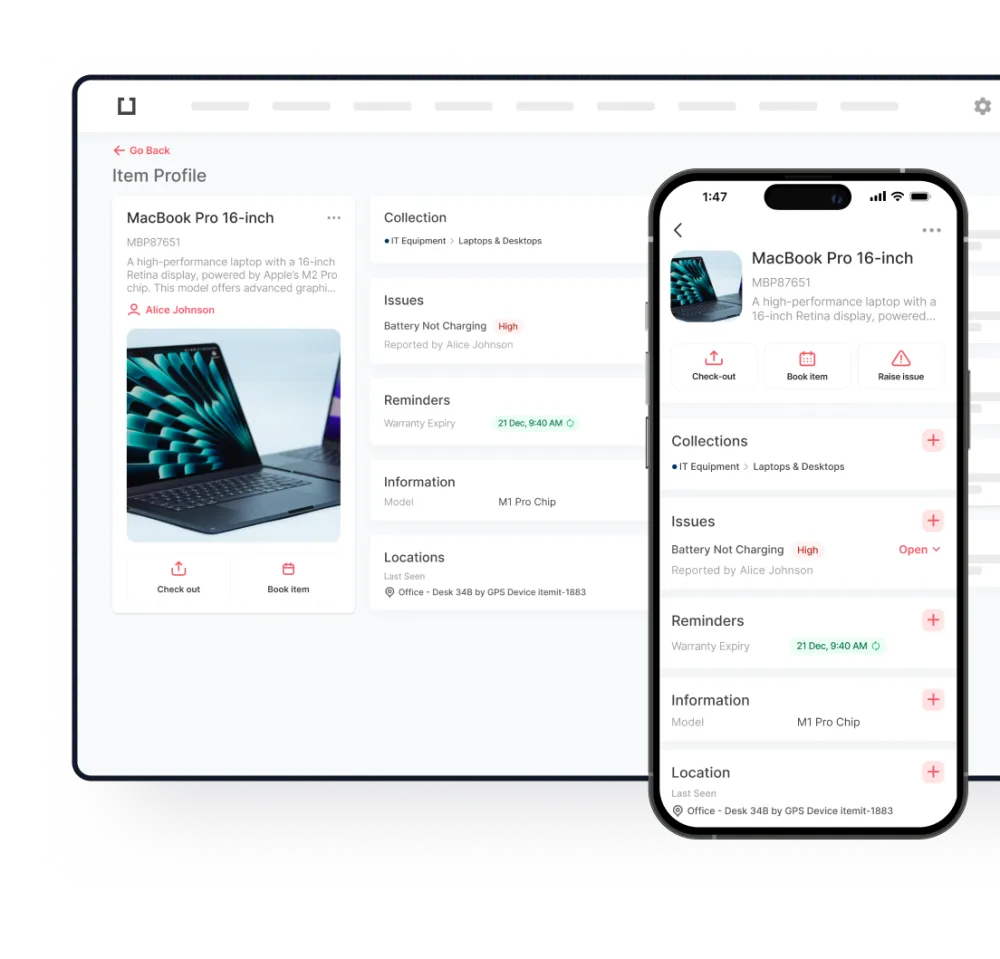
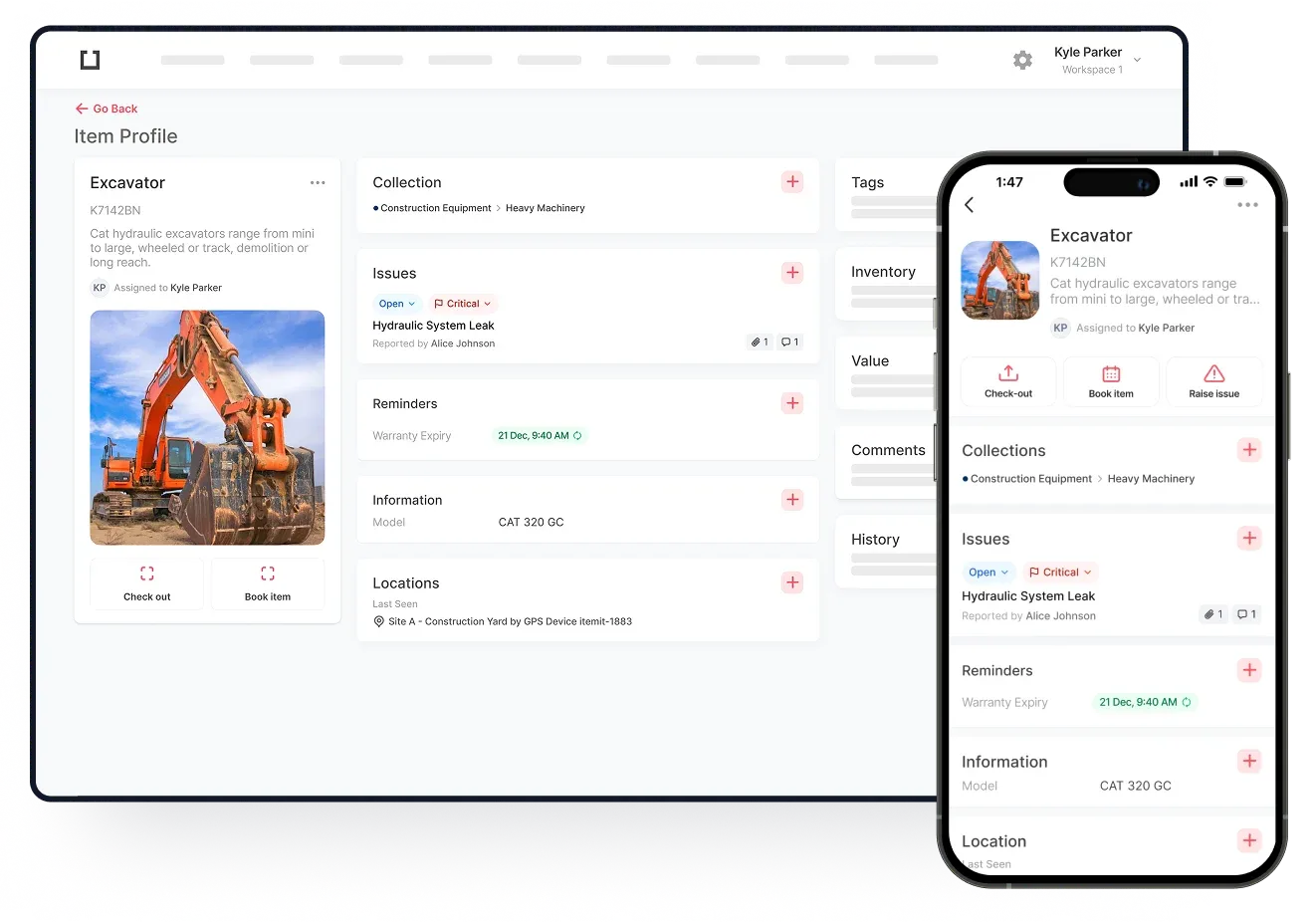
With an effective asset tracking system, you can log assets as unique profiles. Then, you can add data to these profiles. This way, if you need to track your tools and equipment and see how they move, all of the movement data will be housed in dedicated asset profiles. If a tool goes missing, therefore, you'll see this much sooner and be able to rectify it.
This takes the benefit of granular asset data and makes it much more visible, as if you need to see all of the data against a specific tool, you can simply find this tool on your asset tracking system.
The Best Asset Tracking System Features
The best asset tracking system features depend on your needs and use case. Therefore, your asset tracking software must be adaptable, streamlined, and quick to pick up.
For example, if you're tracking assets in the construction industry, your asset tracking software needs to have an effective check in check out system, where this may not be needed for another business.
You may need something more maintenance-heavy, and so an issue reporting and management system is a must. This way, you'll be able to keep everything running much more smoothly.
The core features need to be there, however. So, you must be able to log all of your assets and track location data against them. This way, you can create an audit trail.