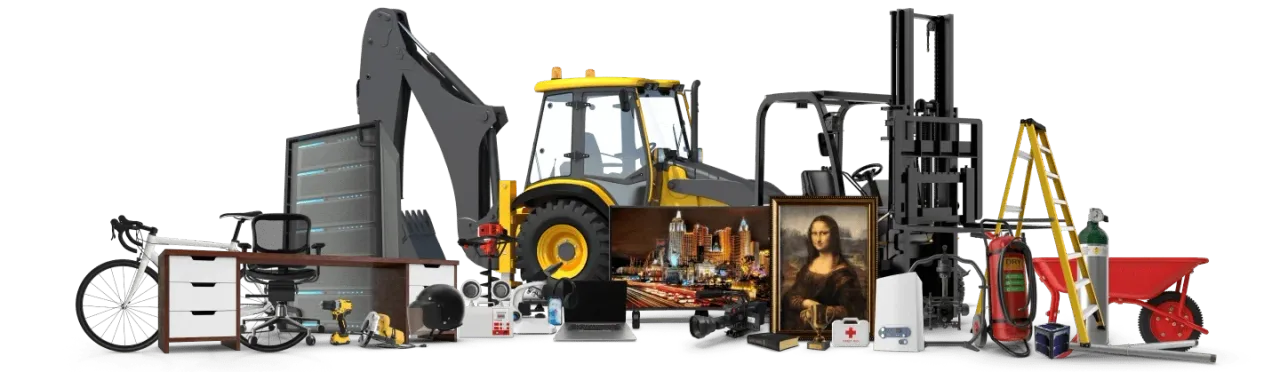
Asset tracking is critical to your business' success. You may already be tracking your assets via a spreadsheet or software, but RFID asset tracking software will take your operations to the next level.
Where spreadsheets offer minimal automation as they become out of date with any change, asset tracking software offers a solution which allows for real-time asset tracking. RFID asset management is the next step in this automation.
itemit is unique as it allows you to track your assets with RFID tags in tandem with barcodes, QR codes, and GPS trackers, giving you the highest levels of accountability and transparency available.
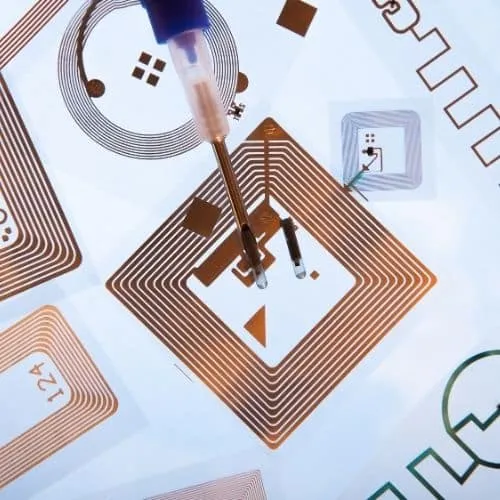
How Does Asset Tracking Work?
Asset tracking is the discipline of logging your assets, adding data to these profiles, and tracking how they change throughout their lifecycle. In this sense, asset tracking via a spreadsheet is possible.
The limitation of a spreadsheet, however, is that every time an asset is interacted with, the spreadsheet becomes out of date. This can become unwieldy and complex, especially when it comes to fixed asset management operations.
Asset tracking software, therefore, is much more effective as it automates and speeds up the logging of changes. As an asset tracking app can integrate a scanning function, the use of asset tags can automate location tracking.
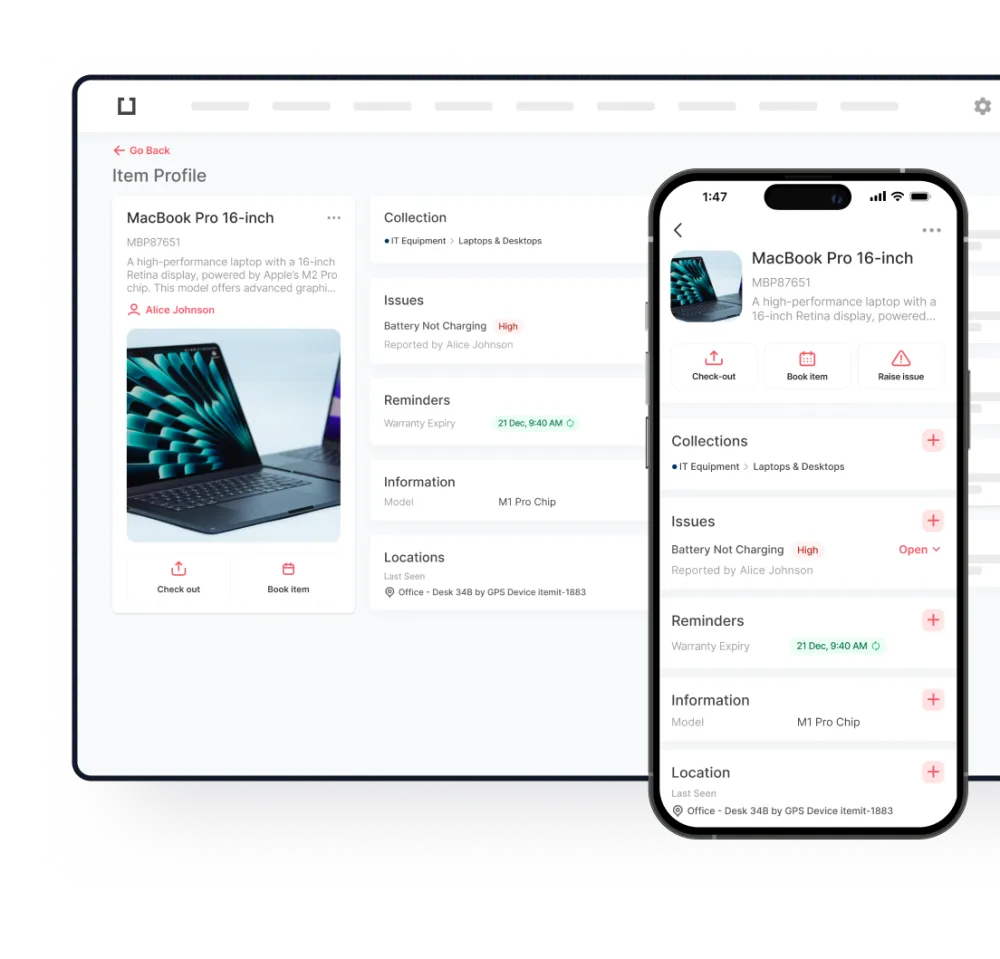
Every time you scan an asset's tag in your asset tracking app, the corresponding profile will open and the last seen location will update. This way, if you're logging an issue, you simply need to scan the tag and log the issue while you're with the asset to update this change across the board. Your maintenance team then has all of the data they need to speed up a fix.