Managing your school assets got you at your wits end?
Let itemit help.
Running a school or being part of any educational organisation is no mean feat. Being part of the administration means that not only do you have to keep track of people, but also of assets. An asset inventory is foremost to any good school, and making sure your stock is replenished and maintained requires a lot of remembering - which is certainly not a job for one person.
To aid you with this task, you can employ something called a “School Fixed Asset Register”. Let’s move on to discuss this revolutionary software.

What Is a School Fixed Asset Register?
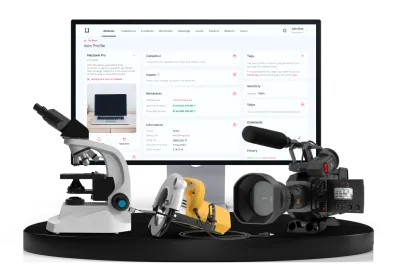
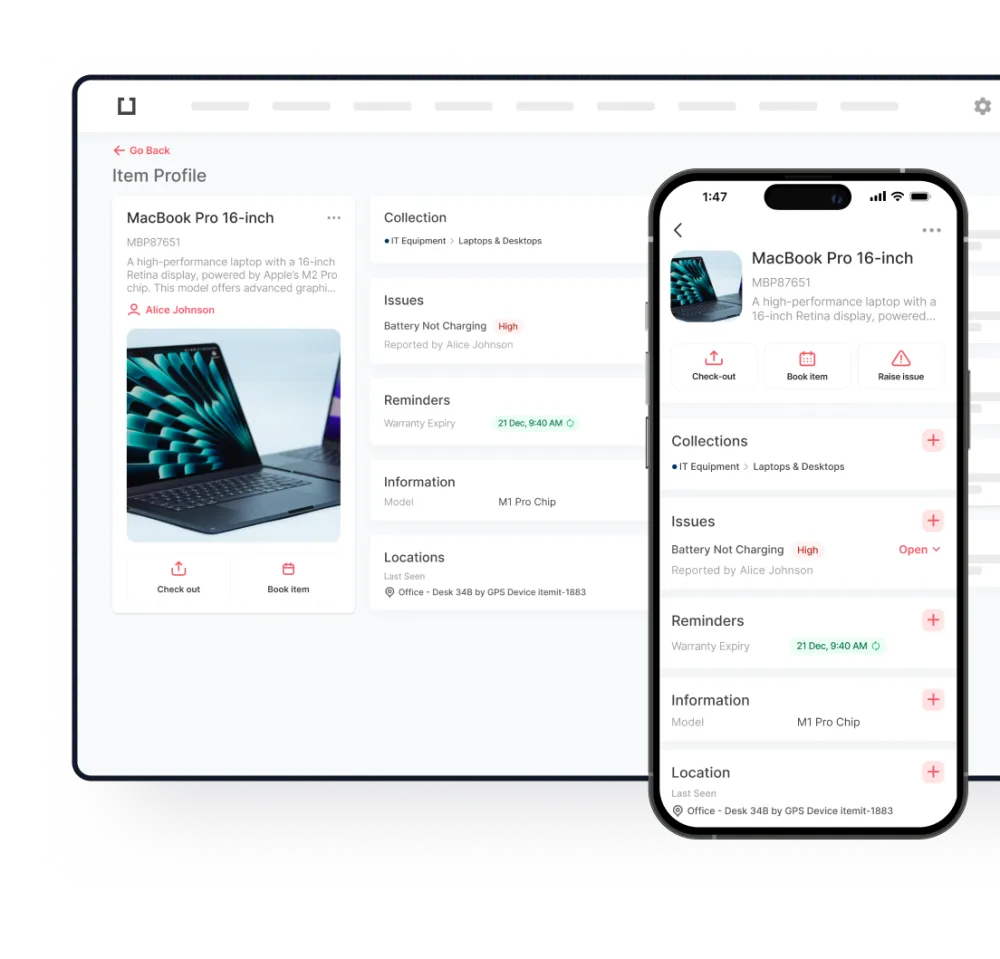
A school fixed asset register is a convenient localised database, storing your assets data in an organised form. Each asset has its own unique profile, capable of storing data such as the assets purchasing price, location, and/or maintenance information. It may even have a picture attached to it to help in identification!
With all your data stored on the cloud, this nifty piece of software allows you to automate your fixed asset management tasks. Every time an asset is used or brought, the assets profile is automatically updated. All of these ‘interactions’ with the assets will be automatically recorded into the school fixed asset register, with each change meticulously logged onto the asset register.
With such software on hand, you can divide up your asset tracking into easier-to-handle portions. Not only does this allow your school to save time and money, but it also provides easier and improved accountability. Allowing you to monitor transactions to account for theft or losses, an asset register makes your life easy.
How Does An Asset Register Even Work?
To understand the basic fundamentals of the fixed asset register, let's suppose that every asset has some sort of ID. Using this unique code, you can use your school fixed asset register, to assign a unique asset profile based on that code.
Every asset will now have a sort of unique digital profile. Using this asset profile, each physical instance of the asset is now associated with that digital profile.
Using your asset register, you can easily keep track of all of your assets. This means that not only can you record when the asset was used, you can also see who used it and the location where it was used. All this information is logged in one place.
The Benefits Of A School Fixed Asset Register
A school fixed asset register allows you a comprehensive insight into your fixed assets. You can view details like the warranty, insurance, maintenance, and lease/loan agreements. This is all centrally stored, so it reduces the time spent on administrative tasks and improves accessibility. As such, dealing with tax and insurance-related matters becomes quite the cakewalk!
Not only do these logs help you keep track of usage, but using the asset register you can also view maintenance and availability information. Alternatively, you can also use the asset register to keep track of the quantity present. This way, you'll never be out of equipment!
Making Processes Easier
Apart from accountability, a fixed asset register can also be used to minimise overheads. Using the system allows you to not only track asset usage but also helps to keep an eye on your asset depreciation.
Keeping this knowledge logged is also helpful in the long term. Once you have sufficient data, you can project the lifetime of an existing asset, and predict how long it’ll last.
Assets are also included in the budget, so you can tweak your budget to account for an asset’s depreciation. Conversely, you can also limit the usage of the asset to meet a strict budget.
Alongside this, all the logged data is stored in a single place instead of on different systems. Due to this, those in charge of finance can quickly approve asset acquisitions and/or invoices, using the same centralised system. A fixed asset register also gives you the ability to create flexible reports and custom exports. Say goodbye to dreading creating graphs!
Moreover, itemit ensures everything is consistent - so data updated by you or your colleagues are made coherent throughout the organisation in real-time.
 Watch video
itemit: Simplifying School Asset Tracking
Keeping track of your inventory can be a tedious process. As schools have grown significantly, the demand for assets has also increased proportionally. Catering to, and accounting for these demands can be quite a daunting task, and itemit's asset register is well suited to ease up your mind.
By entrusting these processes to a school fixed asset register, not only can you ensure that your data is safe, but you can also rest at ease knowing that errors are no longer a concern.
Using a fixed asset register is your best bet to keeping an efficient asset management system across your school. It ensures that your finances are minimised and that your assets are accounted for, all to make your job easier and to facilitate growth.
To learn more about the features of our school fixed asset register, drop us an email at team@itemit.com. Or, you can opt to take itemit out on a test drive yourself using our free 14-day trial, and experience itemit’s game-changing features for yourself.
Fill in the form below and test out all the features in our asset register today!