Hardware asset management is a set of disciplines where you can log, track, and manage your IT hardware. It is a type of IT asset management, allowing you to keep an eye on your critical tools and equipment.
IT asset management operations are an effective way to:
- Save time
- Save money
- See how is in charge of which assets
- Purchase fewer duplicates
- Lose fewer assets
So, if you're working from home, how does hardware asset management help?

What Is IT Asset Management Software?
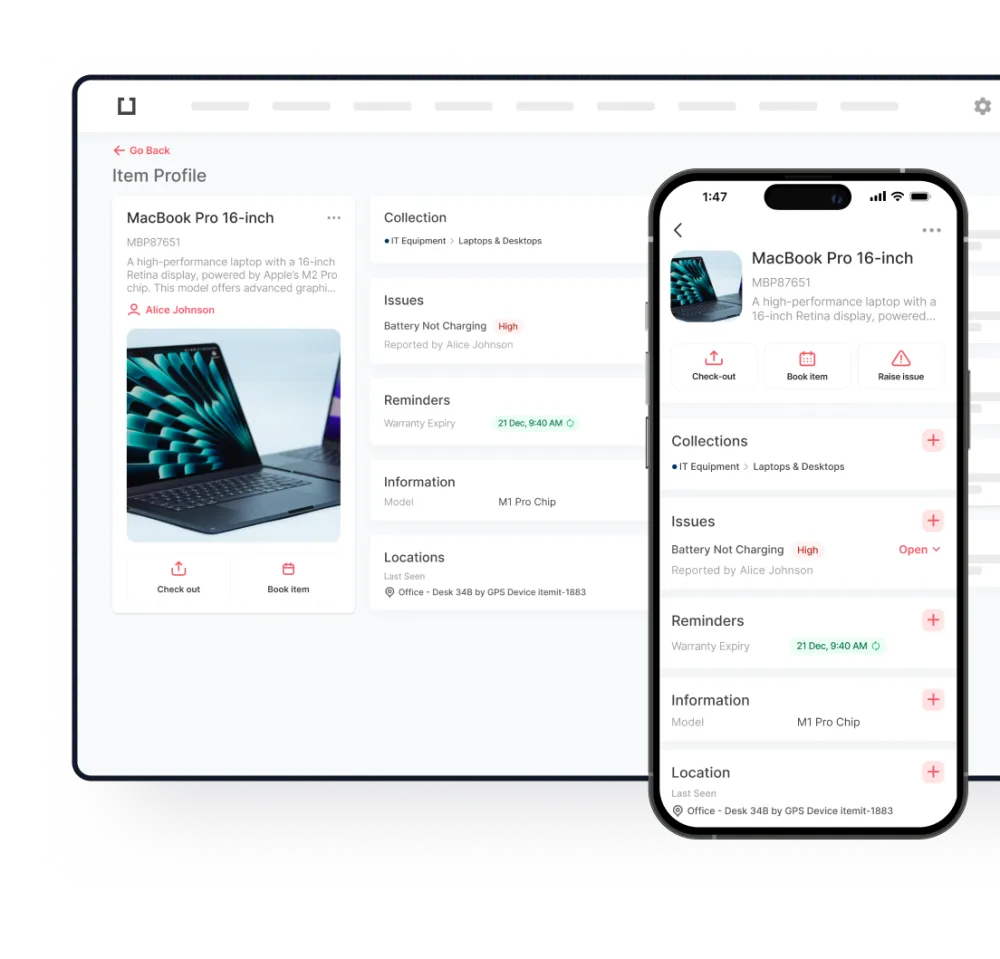
IT asset management software is a system that you can use to log your IT assets. So, for example, each of your laptops will get a unique asset profile.
Then, you can populate this asset profile with data unique to that laptop. So, you can add the laptop's serial number, warranty, user information, admin passwords, anything.
The benefit of having a unique asset profile is that the asset itself is unique. In this sense, you can pinpoint any critical data that you need to against that asset.
Therefore, if a laptop has an issue, such as a damaged screen, you can report the issue and know which laptop is damaged, where it is, all of its warranty information and who is responsible for it.
Hardware Asset Management In The Office
Hardware asset management is a subset of IT asset management. IT asset management includes software assets, where hardware asset management is specific to physical IT hardware, such as phones, desktops and laptops.
Therefore, a couple of years ago, implementing hardware asset management was much simpler as sooner or later, everyone would be in the same place.
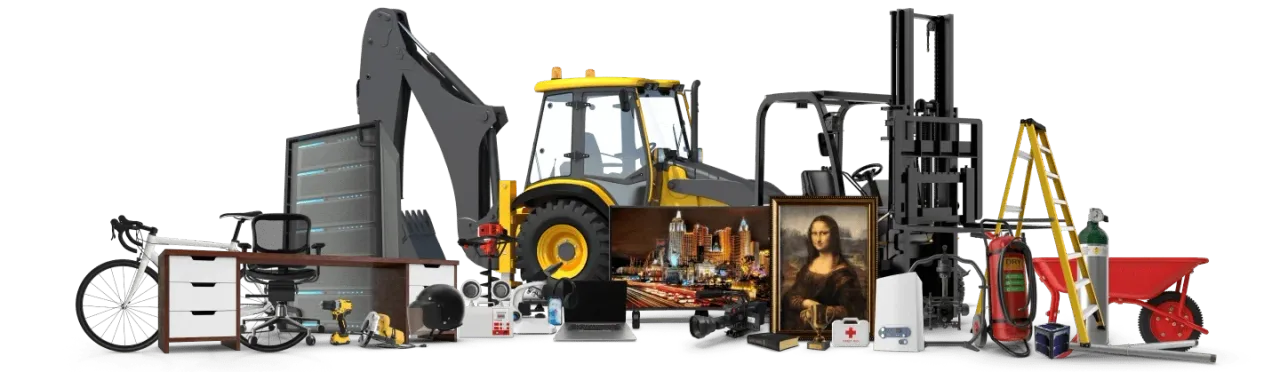
Even if you're also tracking construction equipment, there'd be a place where you could all log, tag, and start tracking your IT hardware. The set-up being simple.
All you need to do in the office is audit your assets while you're adding them to your asset tracking software so that you know they're on your system, visible, and have the necessary unique data.