Automation improves productivity and increases efficiency. On this note, we'll be discussing RFID asset tracking, and how it can provide your business with much needed next-gen automation.

What is RFID Asset Tracking?
To put it briefly, RFID asset tracking is quite similar to using QR asset tags. In its simplest form, RFID asset tracking is a way of automating the process of managing and locating physical assets.
By attaching a physical RFID tag to an asset, you can easily associate data with the said asset. As always, data may range from name, assignee to value and location.
How Does Asset Management Work?
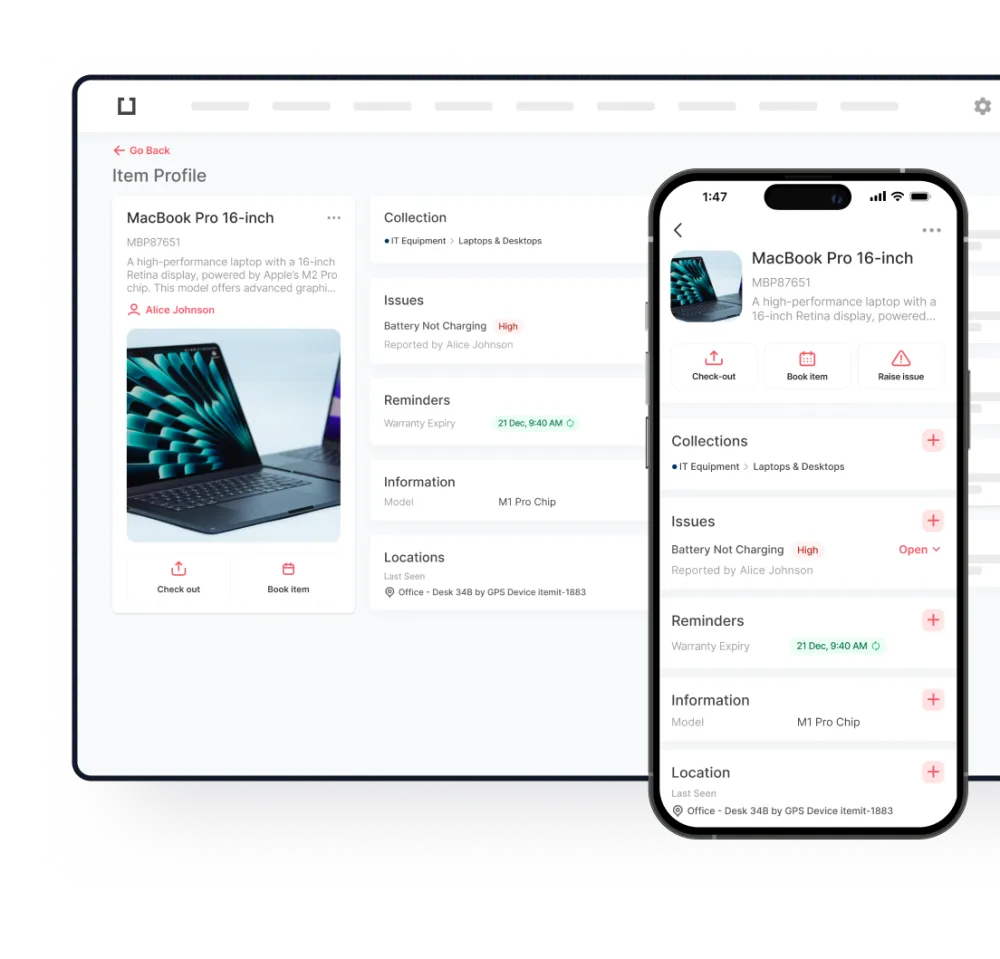
You're probably wondering how RFID asset tracking factors into asset management. So, let's start off with the basics: an asset management system allows you to log each of your assets as unique, digital profiles. These profiles can then be populated with data and tracked accordingly.
Moving on, asset tags are physical entities, linking your physical assets to their digital counterparts. These tags can be barcodes, QR codes, or RFID labels.
Scanning an asset's tag redirects you directly to the asset's digital profile, making editing and updating of asset details a breeze.
Additionally, scanning an asset's tag will automatically log the time, location and identity of whoever performed the scan. This will boost accountability in your business, allowing you to track your assets directly from the ease and comfort of your home!
What Benefits does RFID Asset Tracking Provide to Your Business?
Whether you want to automate auditing or improve accountability, RFID asset tracking got you covered.
Using RFID asset management, you can simply sit back and relax, while your assets collect the data without any need for manual scanning and tracking. Likewise, by utilising handheld RFID capabilities, you can instantaneously update and monitor your assets data.
Though the speed and accountability benefits are of significance, the accuracy achieved from automation is the game-changer, reducing losses stemming from human errors.
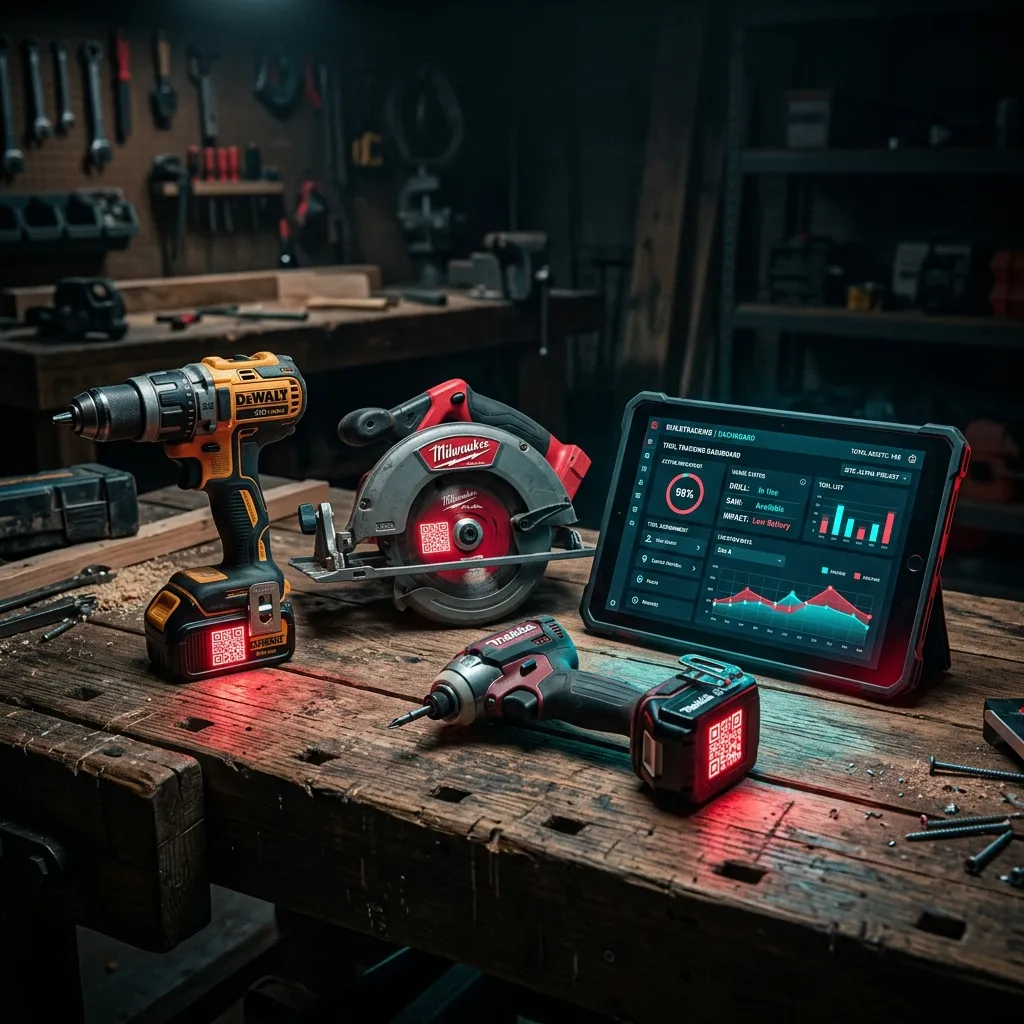
However, the list doesn't end here. No matter what industry or organisation you may belong to, tracking your tools and equipment holds immense importance. With the help of RFID asset tracking, you’re able to monitor how your tools and equipment move throughout your sites-all without any form of manual input.
 Watch video