There are many pitfalls a small business can fall into. For example, not tracking and managing assets can create financial and insurance difficulties. As there are fewer assets in your daily operations, these assets are instantly more important.
This is why computer asset tracking software is so essential, as you'll be able to log, view, edit, and track data related to your IT assets. When this becomes a streamlined and easy operation, you'll then be able to expand your computer asset tracking software to track more business-critical fixed assets, such as tools and equipment and furniture.
The fewer assets that go missing, the fewer payments you need to make for replacements. Then, the ability to track an asset's lifecycle also helps you in making better-informed business decisions.
How Does Computer Asset Tracking Software Work?
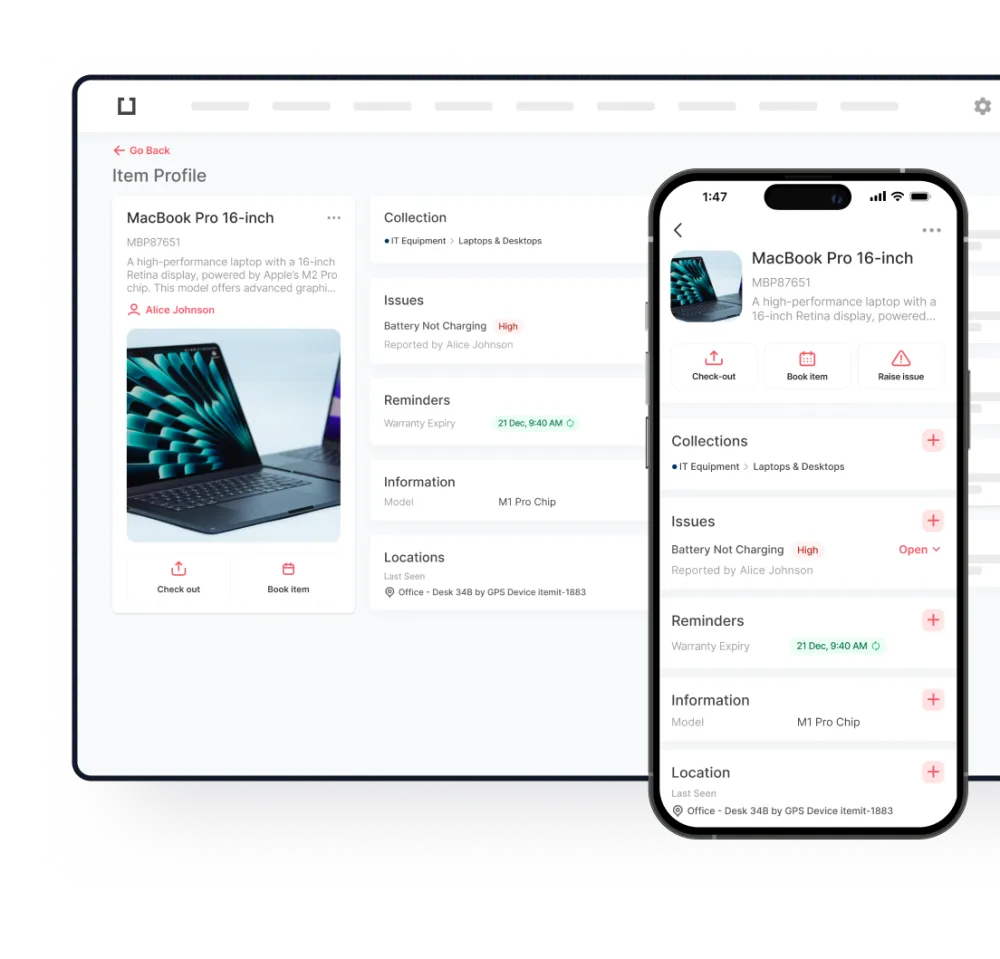
Computer asset tracking software works by allowing you to create individual asset profiles. This way, you'll be able to log specific information against the assets themselves.
This way, you'll be able to track where your assets are and who is using them. If you're currently working from home, too, you'll still be able to track this data, as your colleagues will be able to interact with your assets on your computer asset tracking software.
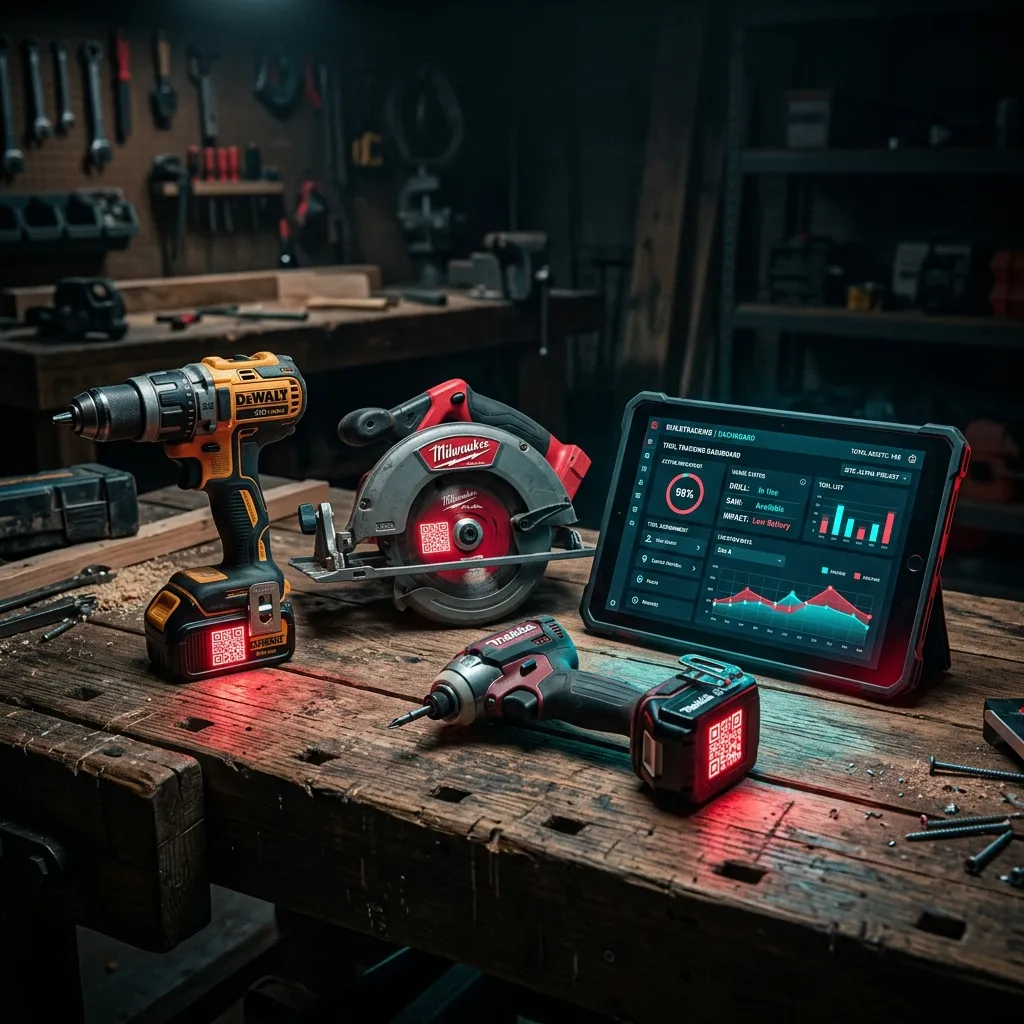
You'll use asset tags, likely QR codes, to link your physical assets to their digital profiles. This way, every time you scan an asset's tag in your computer asset tracking app, the asset profile will open.
Whenever a tag is scanned, the user who scanned the tag will update, as well as the last seen location, too, giving you a neat audit trail of where your assets are and interactions related to them.