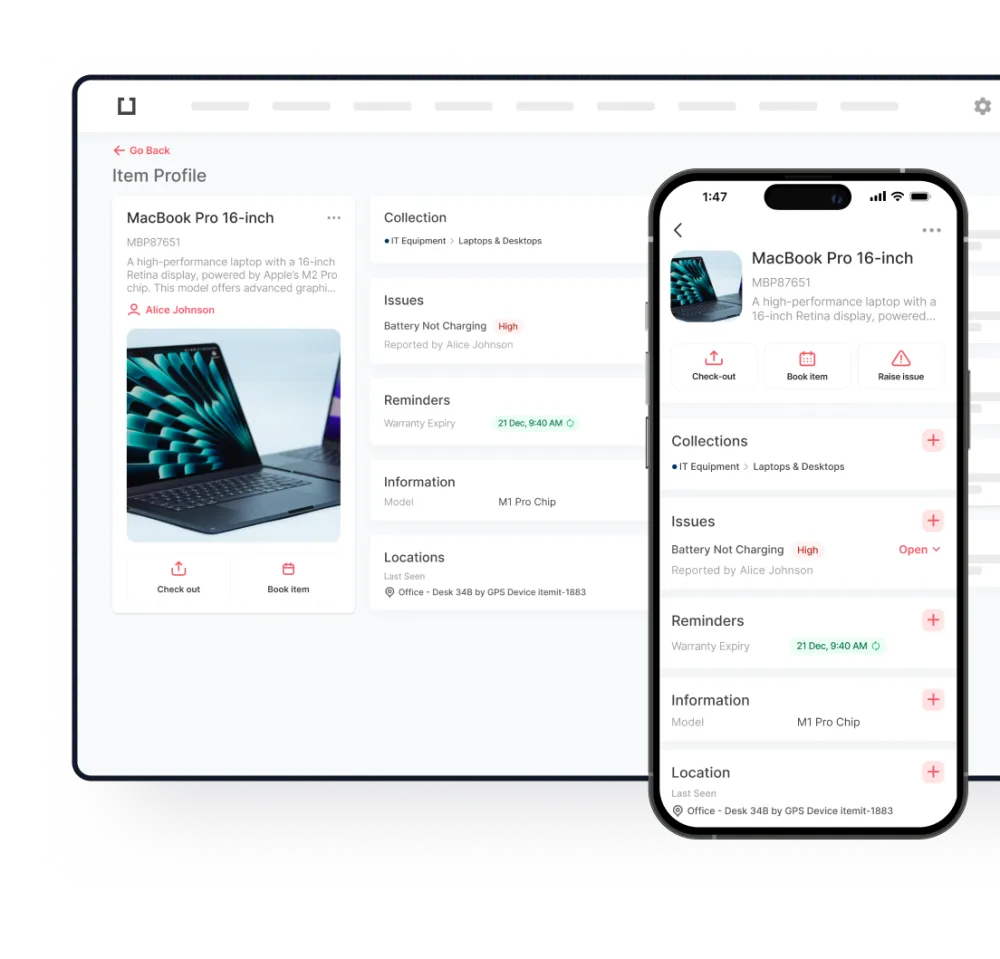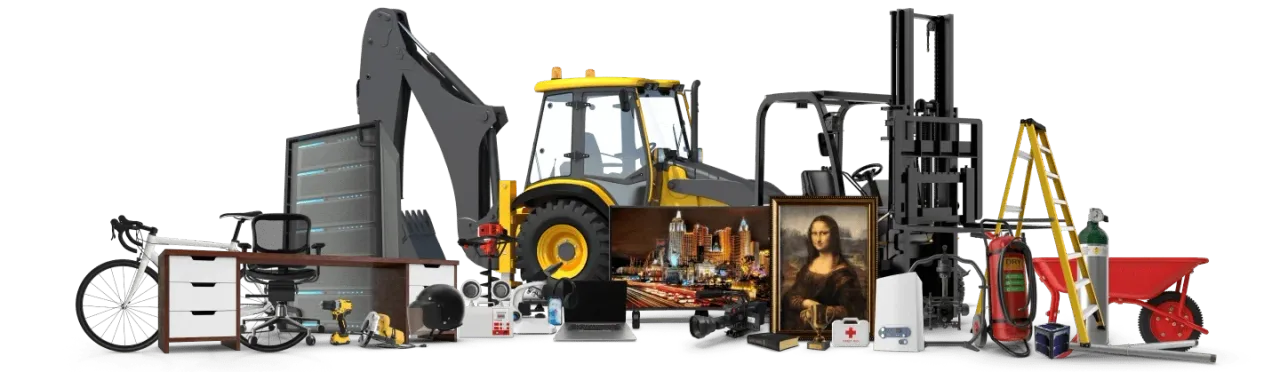
Asset tracking software has proven to be effective in offering organisations an accurate solution for industrial asset tracking, controlling and overseeing their resources, equipment, tools, properties, and assets.
Establishments across multiple industries have recognised the advantages of acquiring an asset tracking app have recognised the advantages of acquiring an asset tracking app to gain full visibility over every industrial asset tracking activity. They’ve also turned to these platforms to make well-rounded decisions regarding their resources.
According to Research and Markets, the global asset tracking app market is expected to grow by $2.4 billion by 2025, with a 15.1% compound growth.
The best asset management software relieves organisations from the brunt they need to bear in monitoring and managing their resources and protecting their ventures from credibility damage and financial loss. It presents them with certainty; thus, allowing them to make significant choices that are geared towards growth.
So which sectors gain the most from utilising an asset tracking database? Check our list below to find out.
1. Manufacturing
The engineered functions and perceptive interface of an asset tracking software make the possibilities for industrial asset tracking limitless.
While there are a lot of sectors that benefit from such platforms, the manufacturing industry is one of the fields that gains the most. For instance, prominent wineries and vineyards maximise the best asset management software by attaching a Barcode or applying an RFID Tag to their wine barrels to organise their cellars effectively and to ensure that their supply chain runs smoothly.
Meanwhile, other large-scale ventures use an asset tracking database to monitor resources such as shipping containers in the asset tracking industry, ensuring real-time updates. Another good example would be an industrial gas supplier using the platform to check the status of their gas containers by location and generating a report from it.
Apart from the solid database an asset tracking software offers, companies can configure other functions such as information perception and information collection without the need for programming skills, guaranteeing successful display and gathering of relevant data.
Basically, for manufacturers, an asset tracking database is a dream come true, since it lets them virtually trace anything pertinent to their business.

2. Rental Services
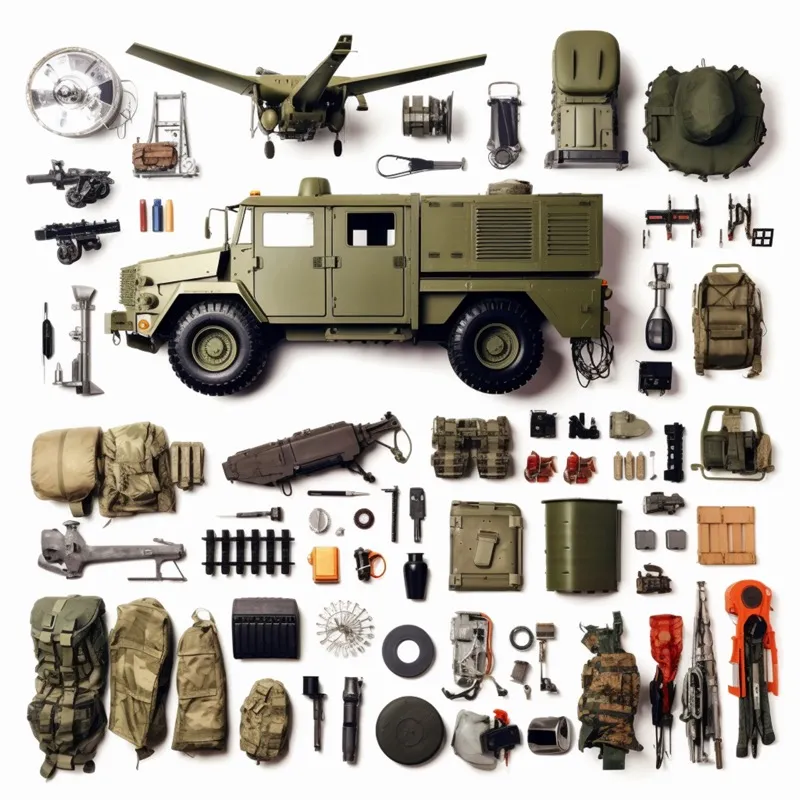
Equipment hire businesses operate differently from their regular retail peers. While most traditional merchants market an item and terminate its lifecycle the moment it’s bought, equipment hire enterprises sell usage of the item for a period of time and retrieve the loaned apparatus once the fixed time is up. Construction companies also benefit significantly from tracking software for construction to manage their equipment and ensure that every tool and machine is accounted for on various job sites.
Because of this, having an asset tracking app has become the backbone of any successful rental-based company. Examples of these ventures include large equipment rentals such as businesses that let out bulldozers, excavators, backhoes, forklifts and cranes. They also include organisations that lend small tools such as hammers, saws, drilling machines and ladders, which need tool tracking software for construction. Rental companies benefit from rental asset tracking systems, ensuring smooth operations and proper equipment handling.
These enterprises depend on the capabilities of these platforms to cater to their unique business needs. In these systems, items are catalogued in an asset tracking database, rental reservations are registered and booked, and the condition of equipment is taken care of with scheduled checks and maintenance. It covers all essential touchpoints in equipment hire, from apparatus acquisition to customer interaction to scheduled pickup and servicing.
With the best asset management software, rental-based organisations are more likely to accomplish operational success.

3. Health
Systematic healthcare provision is vital to all societies; however, budget constraints and sparse resources can often hinder healthcare establishments from reaching full productivity.
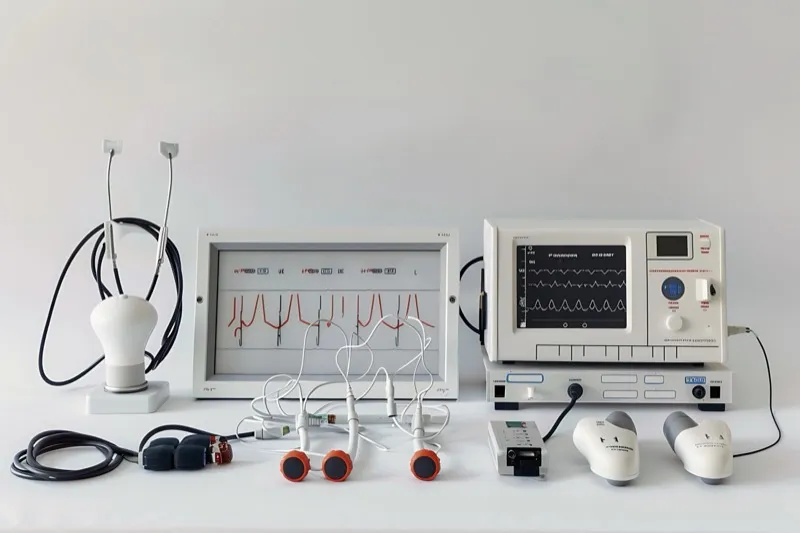
Huge quantities of costly operational equipment have a tendency to be misplaced or lost due to unorganised systems that are set up as they transfer from one hospital to another. These incidents not only cost more money but also put patients’ lives at risk. Porter costs are also increased as replacements are requested. These hurdles can be dodged with healthcare asset tracking software, which provides real-time locations of marked assets.
Besides tracking equipment, healthcare institutions can use asset tracking software for patient welfare. High-risk patients require regular monitoring, and the lofty demand for manpower places a tiresome yoke on both hospital staff and budget.
To resolve this, hospitals and clinics can construct patient profiles to cater to patient needs. Patient information can be persistently examined to generate insights on behaviour and inclination. Medical staff can also be monitored for their own security and well-being by providing them with devices that are equipped with your platform.
An asset tracking system, therefore, transforms the way healthcare establishments track resources in real-time.