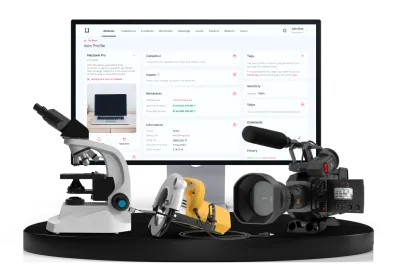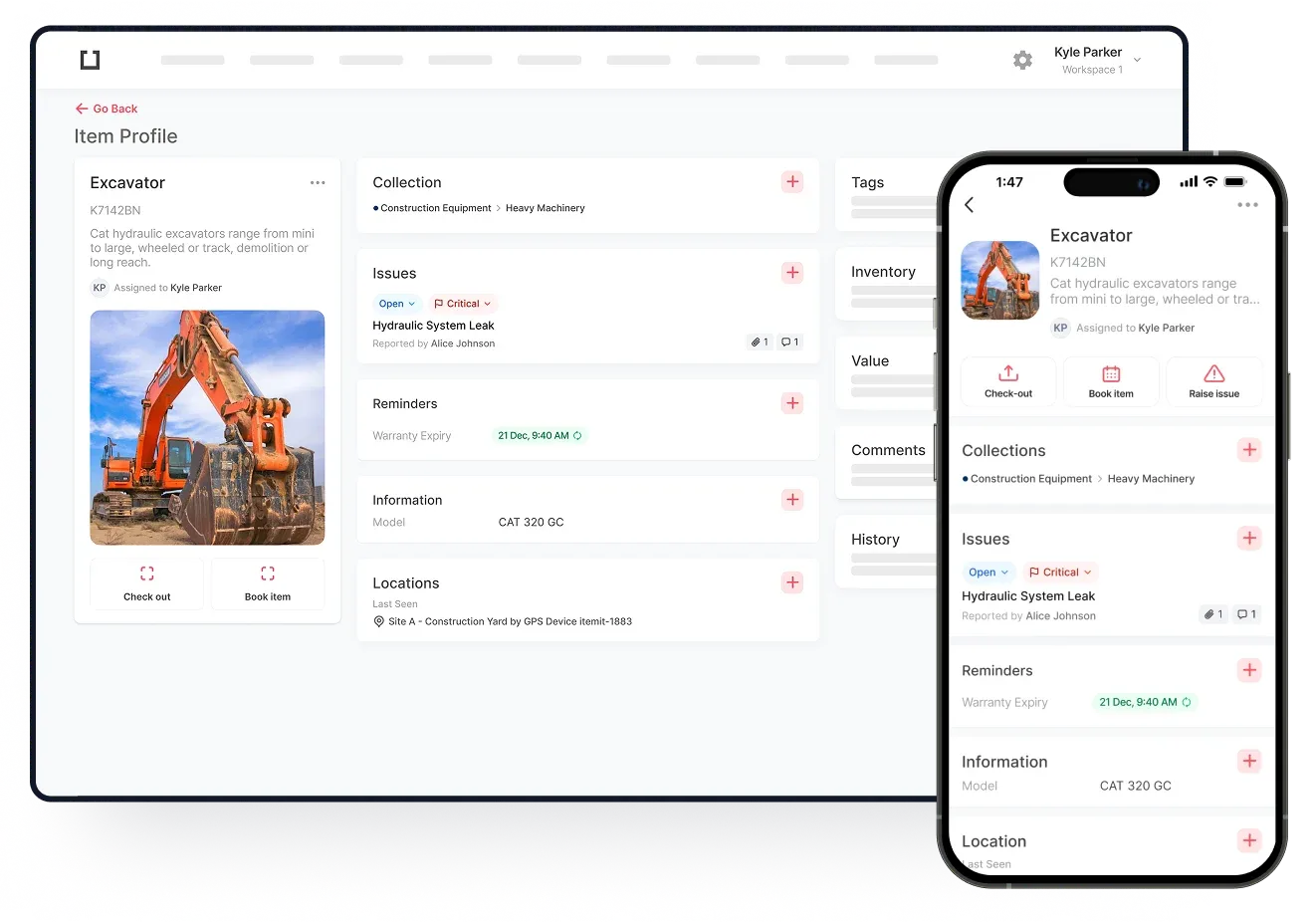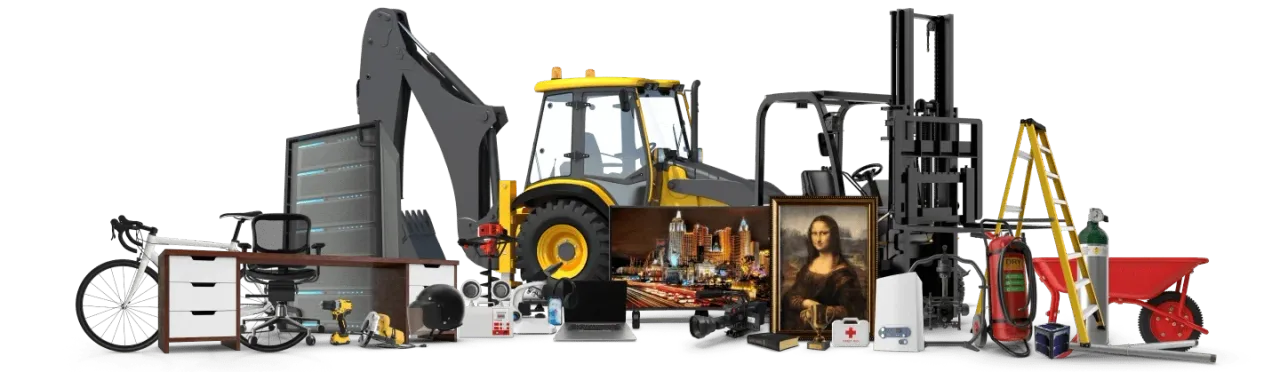
Your asset management system will be able to fit around the needs of your business. Whatever industry you're in, whether you're tracking construction tools and equipment, fixed assets, hardware, or IT assets, you'll be able to use a range of helpful tools to improve your asset management.
Asset management systems fulfil a great purpose. They speed up your operations, they save you time, they save you money, and they give you a clear view of all of the assets you own and how they're behaving.
By implementing asset tracking software, you'll be able to make better business decisions based on clear information and data.

How Do Asset Management Systems Work?
Asset management systems allow you to log all of your business' critical tools and equipment. You'll then be able to add crucial information to them.
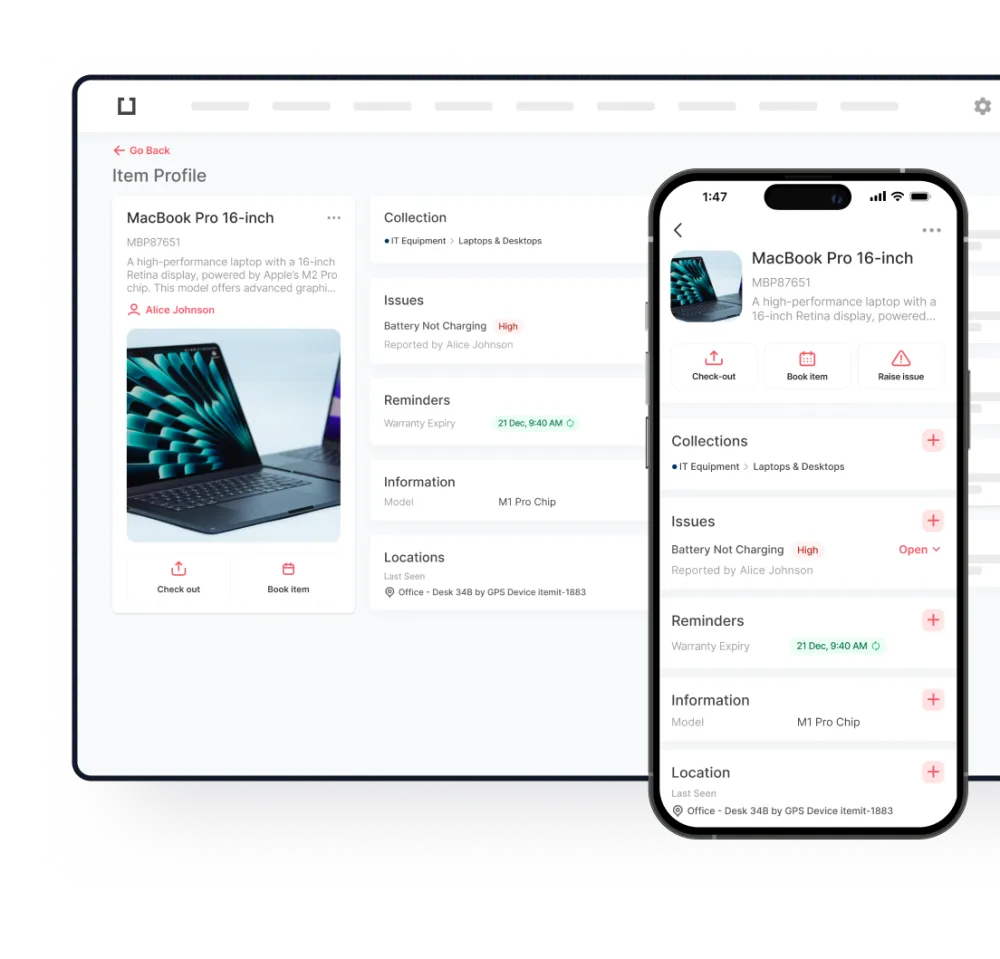
You'll be creating unique asset profiles. So, each laptop will have its own digital profile. Then, you'll be able to populate this with data and information.
As asset tracking software allows you to log, view, and manage assets on a granular level, you'll be able to add specific information and track everything you need to know about your assets.
Therefore, asset management systems allow you to implement effective check in check out, maintenance, invoicing, and lifecycle monitoring operations.
How Can You Use Asset Tracking Software?
As you're logging your business' assets, you'll be able to tailor your asset tracking software to your specific needs. You'll know the reason you're looking for asset tracking software, so you'll know the gaps and operations you'll need to set up.
Asset management systems are highly customisable, too. So, if you want to implement effective location tracking operations, you'll be able to use your system to do this alongside a better, more efficient maintenance system.
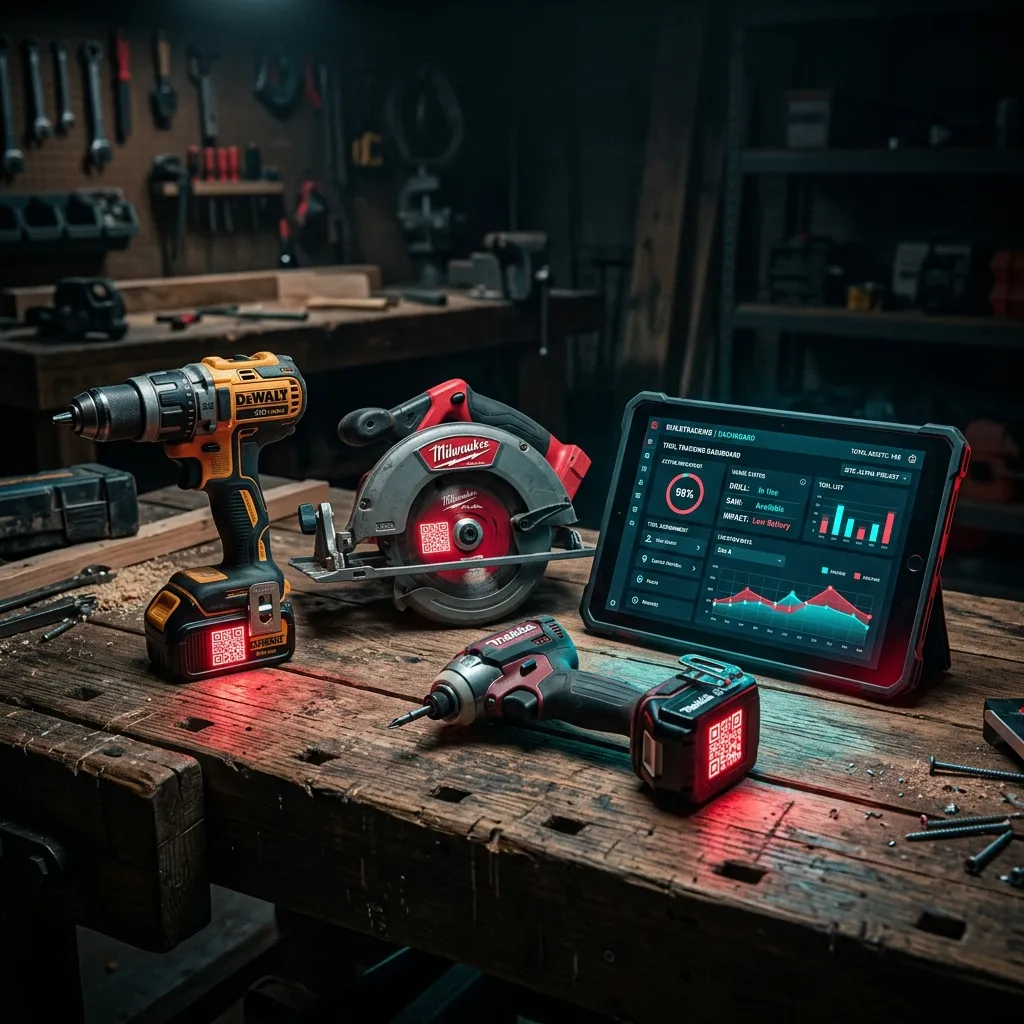
Asset tracking apps also allow you to use hardware, such as asset tags. Asset tags take your asset management further. The way they work is by linking your digital asset profiles to the physical assets.
 Watch video
This speeds up your operations as, to edit your assets, you'll be able to scan your assets' tag and simply press a button to log any changes. As your system will be cloud-based, too, any changes you make with your asset tracking app onsite are automatically updated across the board, meaning your edits are more automated.