What Is Equipment Management?
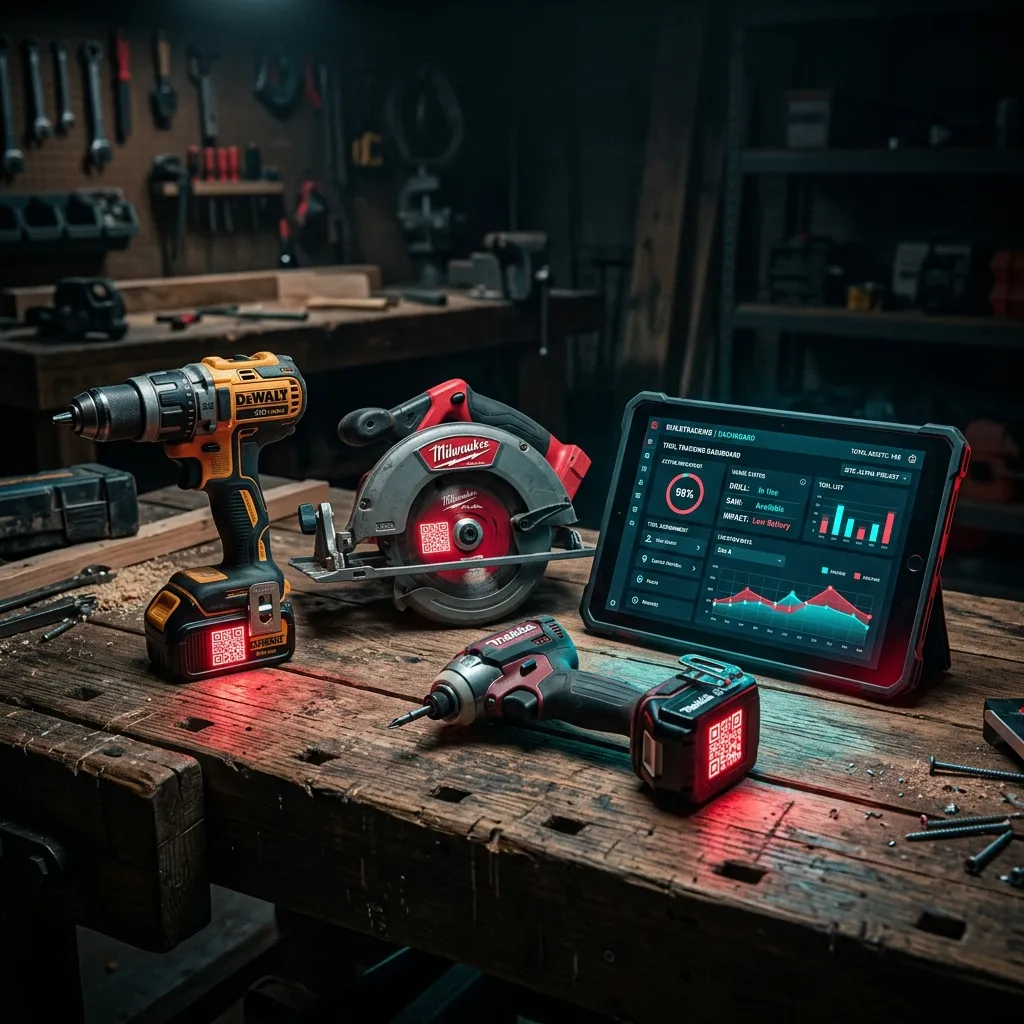
Equipment management starts with equipment tracking. It involves maintaining a detailed record of everything a business owns and how these assets are utilised. This process relies on attaching physical tags or barcodes to assets, enabling real-time tracking and location updates whenever a tag is scanned.
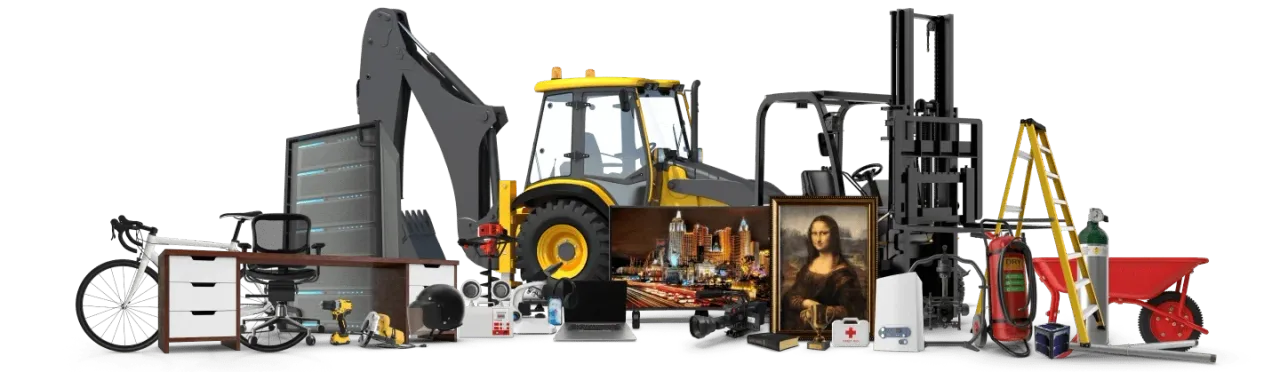
These tangible assets often include:
-
Appliances
-
Computers
-
HVAC equipment
-
IT equipment
-
Production equipment
-
Office furniture and safety devices
From a centralised online dashboard, users can monitor their equipment's status, usage, and repair schedules. By investing in a high-quality equipment management system, businesses can save time, reduce costly errors, and enhance operational efficiency.
Top Tips for Better Equipment Management
Here are our 5 top tips for managing your equipment effectively:
Create an Inventory of Your Equipment
Your first step toward quality equipment management is building a comprehensive and accurate inventory of your assets. Count all your equipment, photograph it, and label it appropriately. Use a cloud-based system to store this data, ensuring it is accessible globally and safeguarded against disasters or data loss.
Having a robust inventory not only streamlines daily operations but also becomes invaluable during audits or insurance claims. Accurate records can expedite claim processes and establish the value of your assets.
Cloud systems not only keep your records safe but also allow real-time updates, ensuring your data remains accurate and actionable.
Track Your Equipment
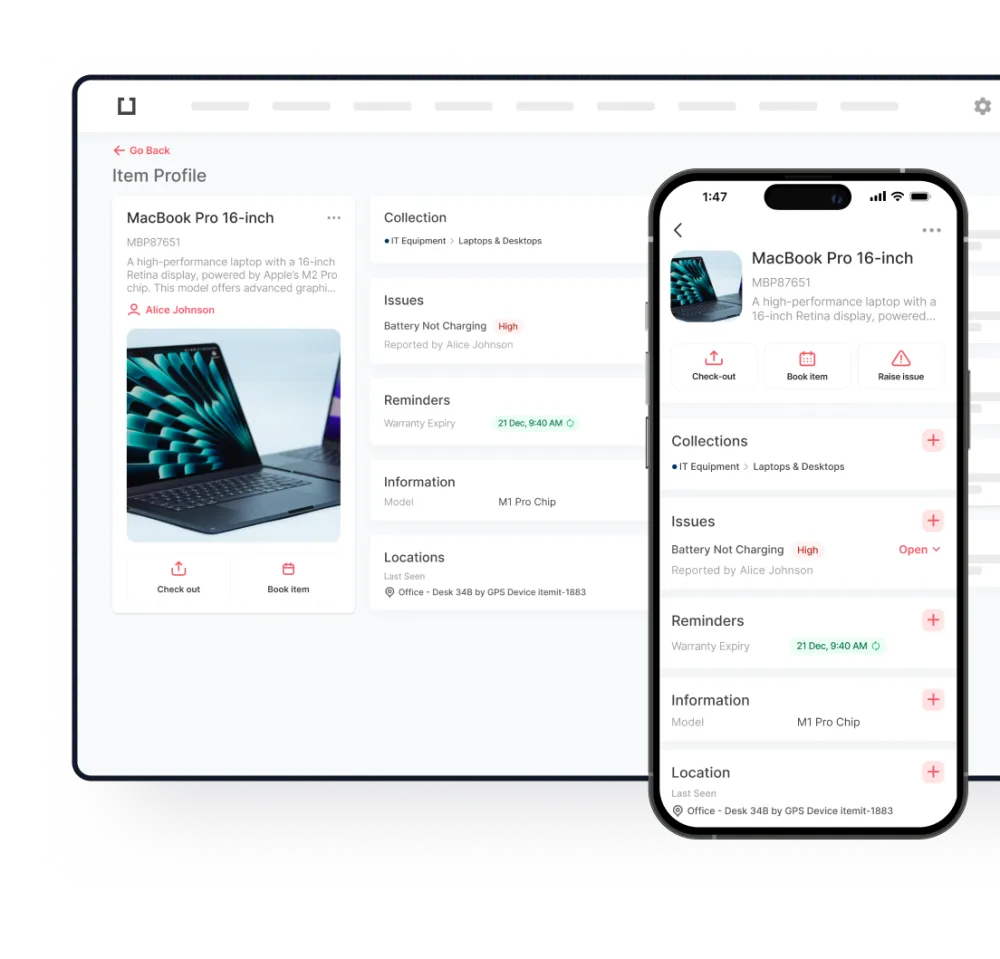
To manage equipment effectively, you need real-time insights into its location and status. Use tagging systems like barcodes, QR codes, or RFID tags to enhance asset identification. With tools like itemit’s software, you can tag, scan, and upload photographs of assets for easy recognition and centralised access.
With itemit’s real-time tracking, you can easily monitor asset locations and detect potential misplacements or unauthorised movements, reducing the risk of theft or loss.
 Watch video
Assign Assets to Users
Assigning assets to specific users promotes accountability and minimizes risks such as misuse or unauthorised access. Tools like itemit's check-in and check-out function notify asset managers when equipment is moved, ensuring that only authorized personnel use and handle the equipment responsibly.
If employees consistently report problems with a particular tool, this insight can guide targeted training to prevent future mishandling.