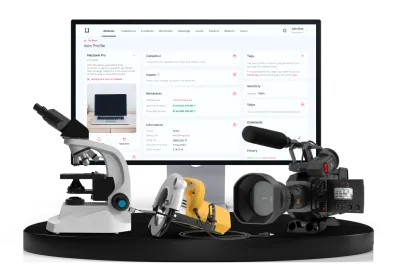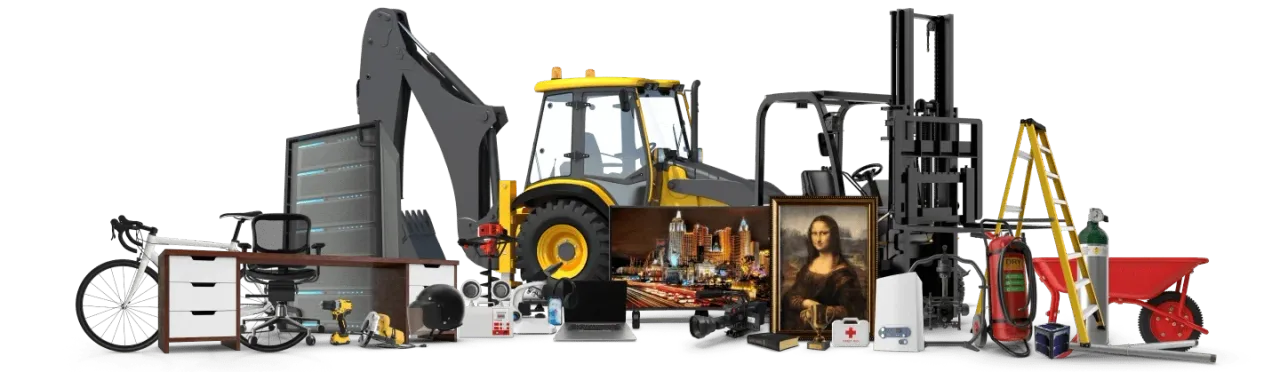
Equipment management should be an essential part of your operations. With equipment management, you get more accountability, a clean audit trail, and time and cost savings.
So, why should you track workspace equipment? Quite simply to increase safety, save time and save money.

What Is Equipment Management?
Equipment management is the discipline of logging your equipment and tracking its data. With successful equipment management systems in place, you'll know what you own, where it is and any key asset information.
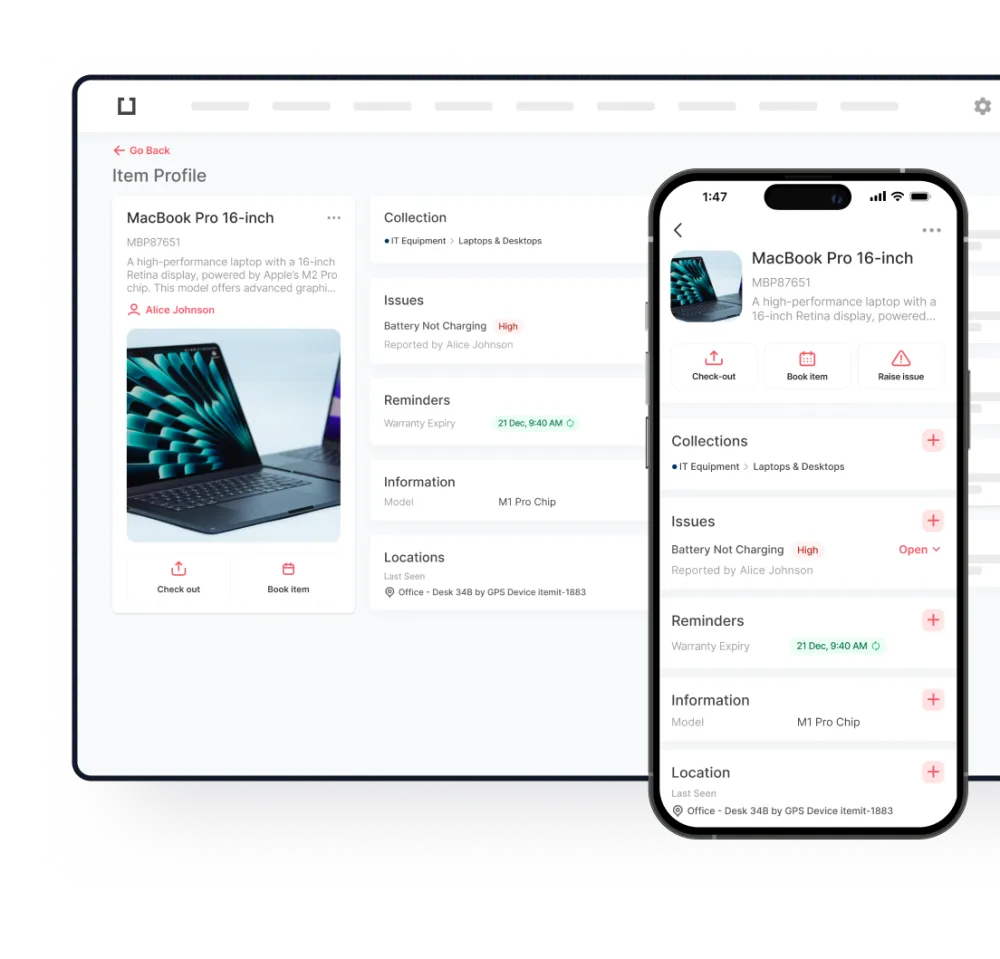
Managing your equipment means the ability to see what's damaged and knowing what to distribute to or collect from jobs or employees. With successful IT asset management, for example, you'll be able to tell at a glance who has each of your laptops.
In the past, spreadsheets were widely used for equipment management operations, but technology has since improved. Spreadsheets quickly become unmanageable, especially for growing businesses.
Using Asset Tracking Software
The creation of asset tracking software rendered asset register spreadsheets obsolete. With asset tracking software, you can create clean asset lists and export them for auditing and accountability purposes.
Instead of editing cell by cell, you're editing the data within your assets' profiles, too. This means that you don't have to navigate to a specific laptop in a spreadsheet and scan right to find the correct cells to update.
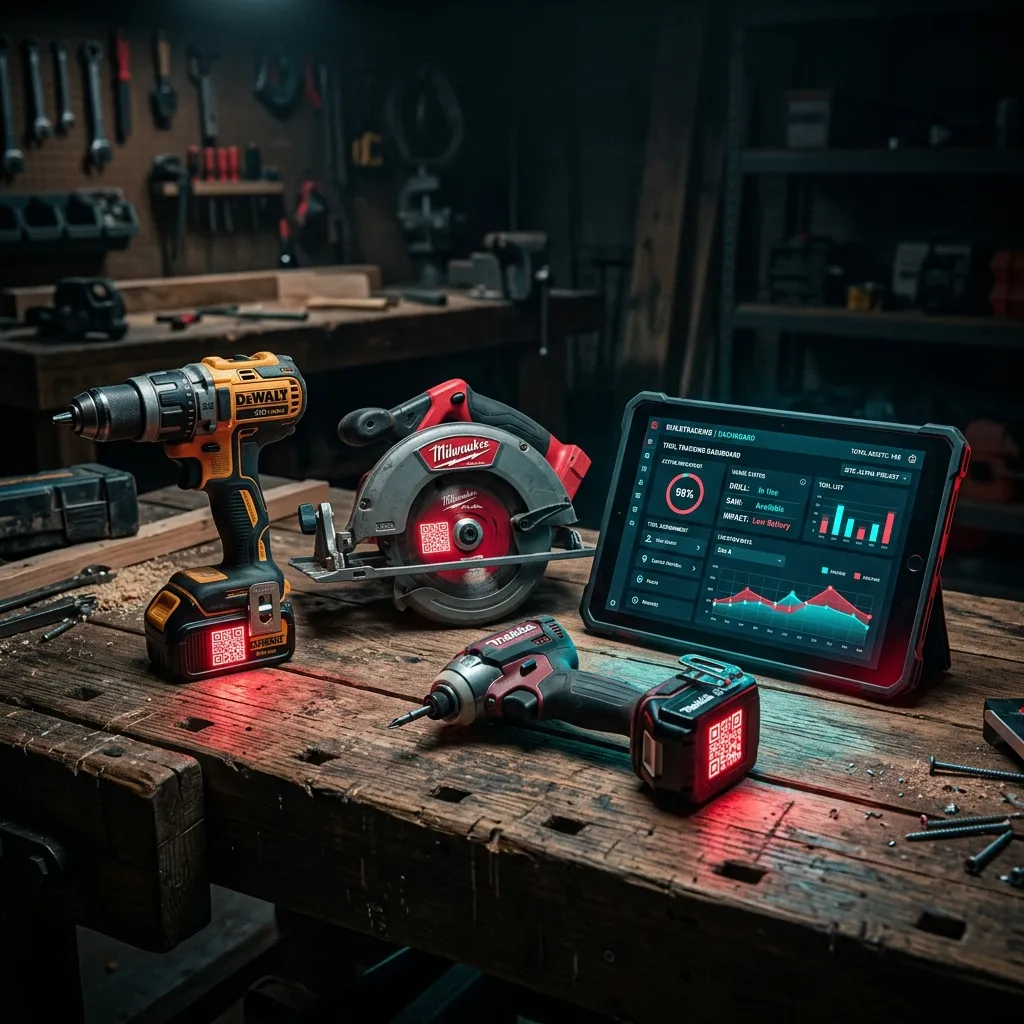
Asset tracking software also gives you the ability to use asset tags. Asset tags are physical tags, mostly QR codes or barcodes, that you can stick onto your assets.
Asset tags allow you to speed up some asset tracking processes. For example, you'll be able to scan an assets' tag to open up its corresponding profile. Here you can report issues on assets or update any relevant information.
Scanning your assets' tags also updates their last seen location using your phone's GPS data. So, you'll know where your assets have been seen and who has been interacting with them.
 Watch video