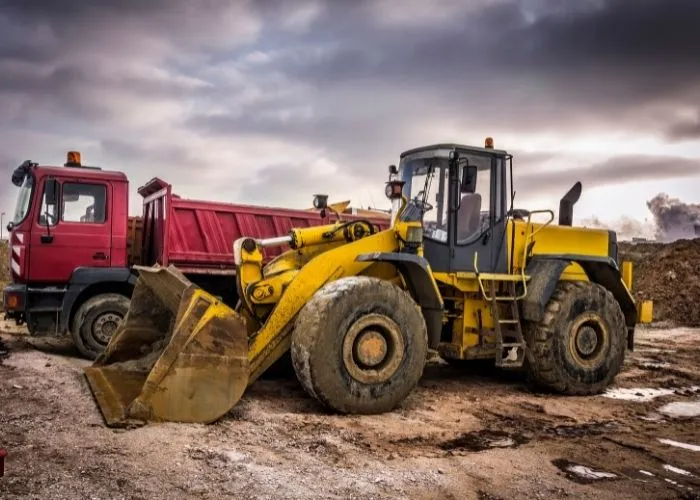
A lot of organisations don’t have a problem tracking a high value asset. If you spend 1000s on a state-of-the-art, game changing bit of tech, you are likely to know where it is and who is using it! In this case, the challenge is often making sure the asset is properly maintained and covered by insurance in case of a breakdown.
Of course, this gets more complicated if you have a lot of these large investment items or they are mobile. Then it is easy to lose track over time and unnecessary losses start to build up. That’s when an equipment management software starts to pay for itself.
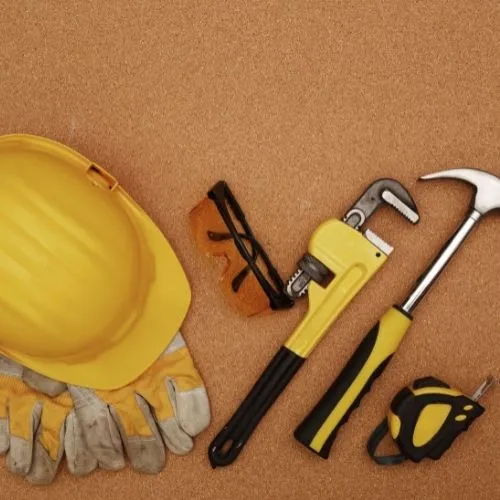
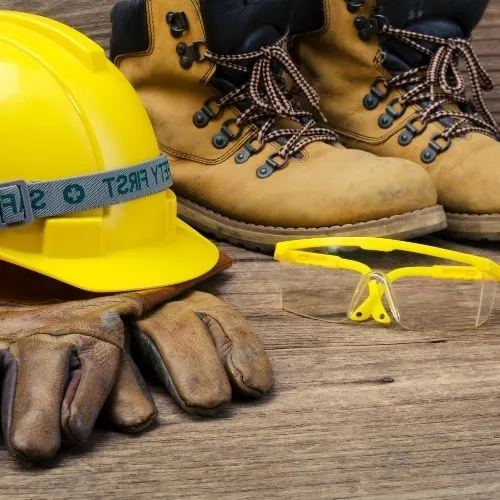
It is much more difficult to keep track of lower value items. If you are, for example, a construction company, knowing where every hard hat, hammer and drill is, who has it and when it will next be available to book onto a new site, is a mammoth task. The same can be said for all sorts of industries.
With a high quality equipment management software, you can track almost any asset, great and small.
What is Equipment Management Software?
Equipment management software is a means of seeing where all tools and other equipment are, who has them, where they are going etc. Software like this relies on trackers and tags to keep an up-to-date database of a company’s asset infrastructure. This control and insight helps maintain equipment and protect against losses. But what sort of thing can you track?
What Types of Equipment Can You Track?
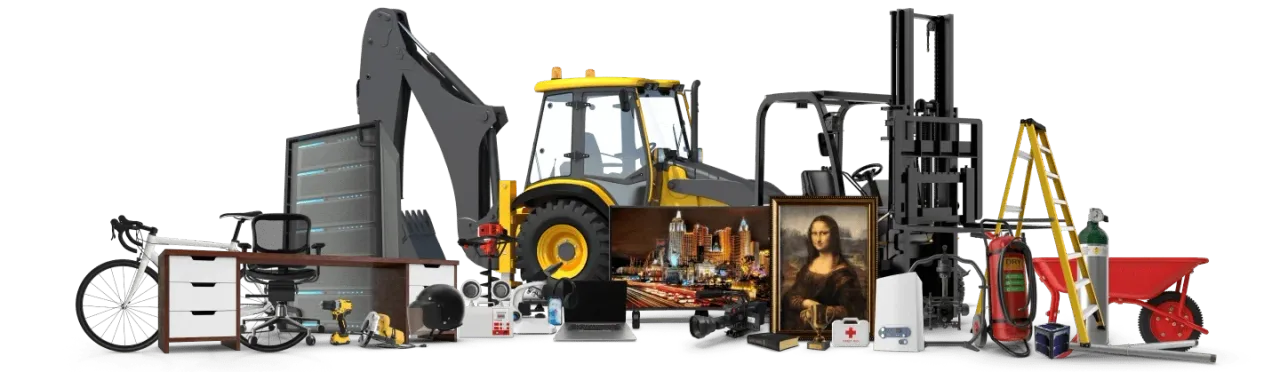
Anything’s possible! However, there are a few assets that are simply not worth tracking. For example, if the value of the item is less than the cost of tracking. Having said that, asset tracking can be surprisingly affordable, making tracking small items more worthwhile than you might think.
Let’s take a look at a few types of equipment that can be tracked using asset management software.
Tool Tracking
This sort of tracking is most relevant to construction. However, any business that carries out repairs or requires specialised equipment can benefit from tool tracking.
For example, facility management and utility companies. If you have relied on spreadsheets for asset tracking up until now, then the idea of keeping a record of where all tools are and what individual or team has them, might seem like a false economy. The sheer administrative task of keeping up with this would far outweigh the benefits. However, that objection is a thing of the past!
How Does Tool Tracking Work?
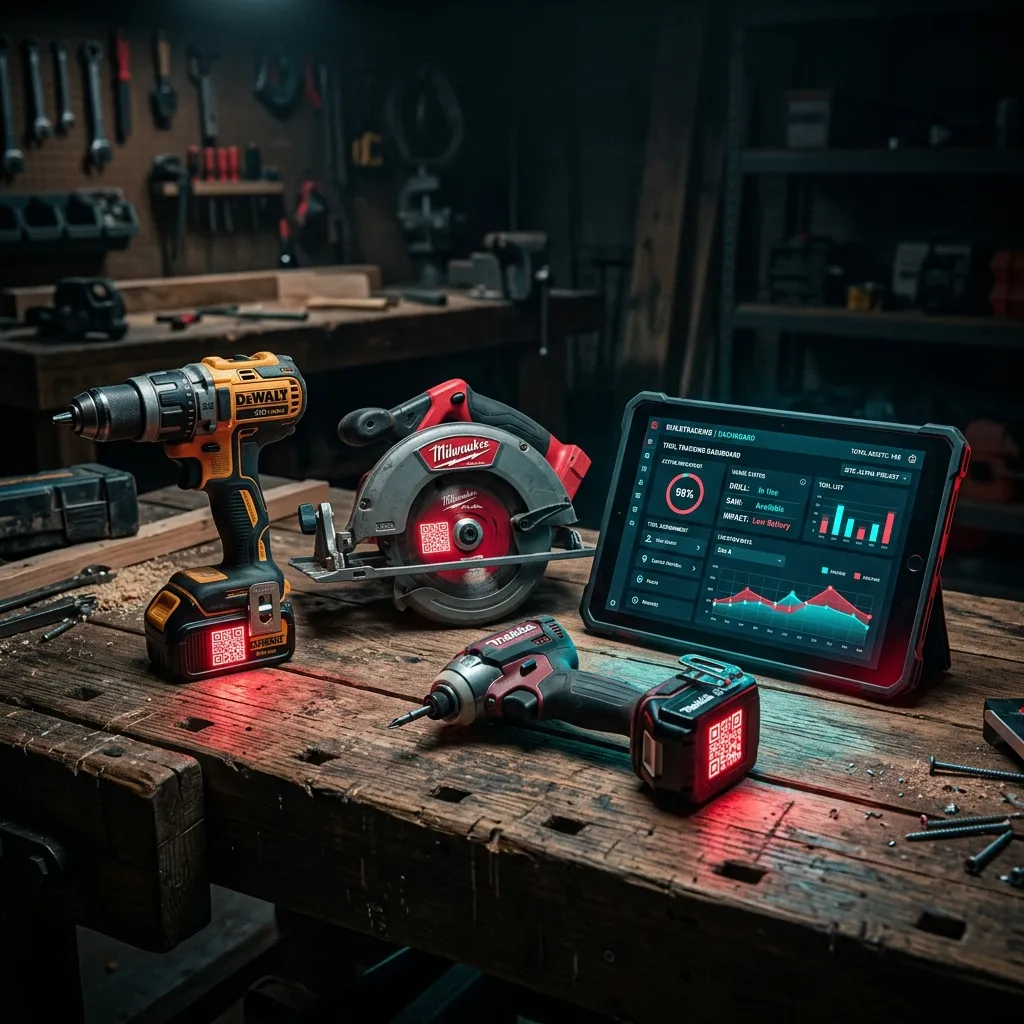
Tool tracking generally relies on RFID or QR tags. This is a low-cost, effective way of being able to see the last known location of your assets. A tag is attached to the item and this can be scanned using a hand-held scanner or smart phone.
If you are using RFID tags, it is possible to hide the tag so that they cannot be tampered with or damaged.
Advanced equipment management softwares makes it possible to quickly add new tools to your asset register. This goes a long way to reducing admin and data entry time, meaning that control of your assets does not come at the cost of admin headaches!
What Sort of Tools Can You Track?
Anything! Ok, maybe not anything, but nearly anything. QR and RFID tags are really versatile. Whatever tools your business relies on to get the job done, you can pretty much guarantee there is a tracking solution to suit.
IT Equipment Tracking
Our reliance on IT has gone way beyond desktop PCs. The IoT has become a core component of many organisations’ success. Allowing for greater automation, better service and deeper insights.
With this comes a much more complex and much more valuable network of assets. Tablets, smart phones, hand scanners and the like, all fall under the banner of IT equipment tracking and losing track of these items can have a seriously negative impact on both costs on operational functionality.
This grows more complex if you have IT equipment in a lot of different locations. But, even in this case, equipment management software can not only give you control, it can make managing your assets painless.
How Does IT Equipment Tracking Work?
That depends. If you’re talking about stationary assets like PCs, then you might not need to rely on trackers at all. For mobile IT equipment GPS tracking plays a large role. A lot of devices (particularly SmartPhones and Tablets) have GPS trackers in-built, which makes it possible to access up to date location information via a centralised software. However, for more in-depth information it may make sense to combine this tech with QR or RFID tracking.
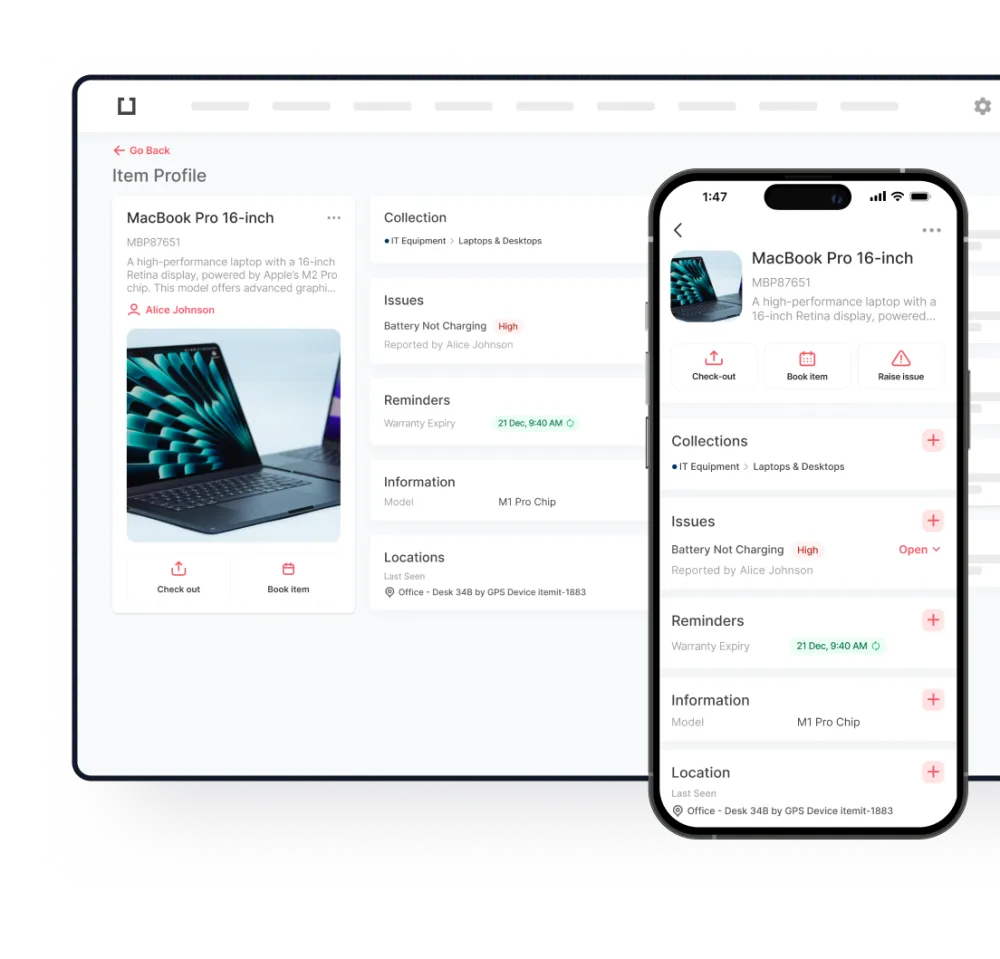
With equipment tracking software, you can do more than find out where your IT equipment is and where it’s been. You can add useful reminders which will ensure your equipment remains compliant, reliable and up to code! For example, all companies need to carry out regular PAT testing. By keeping up-to-date records in your asset register, you can set reminders that will take the leg work out of an asset maintenance schedule.
We all know tech can go wrong. One way that a fit-for-purpose software solution can work for you is by allowing users to update you in real time about breakdowns or errors. That way, a small issue need not snowball into a costly one!

What Sort of IT Equipment Can You Track?
This list is a long one! But to give you a flavour of the scope of IT equipment tracking, check out the list below:
- Desktop PCs
- Laptops
- Tablets
- Routers
- Servers
- Modems
- Headsets
- VoIP Phones
- Network Switches
- Printers
- Monitors
The list goes on!