Tracking technology assets effectively is a cornerstone of modern business management. Every organisation relies heavily on hardware and software, from standard laptops to complex servers. When these items are not monitored properly, costs can spiral out of control, and security risks increase exponentially. If you want to optimise your equipment usage, reduce unnecessary spending, and ensure strict compliance across all departments, you need a robust, foolproof strategy for monitoring your investments. Managing technology successfully requires shifting from a reactive approach to a proactive, data-driven methodology.
The journey to better resource management involves understanding the complete equipment lifecycle. Many businesses still rely on manual spreadsheets to track their technology, a strategy which quickly becomes outdated and increasingly prone to human error. An intelligent approach involves leveraging dedicated software to capture real-time data, enabling proactive decisions rather than reactive crisis management. This guide covers absolutely everything you need to build and maintain an effective, streamlined, and scalable asset registry for your technology infrastructure. We will explore the fundamentals, examine the profound benefits, provide a step-by-step implementation guide, and finally, show how the right platform can revolutionise your daily operations.
What Is It asset tracking?
IT asset tracking refers to the systematic process of monitoring and managing an organisation's technological investments throughout their entire lifecycle. This lifecycle begins the moment an item is requested and purchased, continues through deployment, daily use, maintenance periods, and concludes definitively with secure disposal or recycling. By maintaining an accurate, up-to-date registry, businesses can gain deep visibility into what they own, where each item is located at any given moment, and exactly who is currently responsible for it.
Hardware and Software Components
Technology resources generally fall into two broad but distinct categories: hardware and software. Hardware includes tangible physical items. This encompasses laptops, desktop computers, mobile phones, enterprise servers, networking switches, and peripheral devices like monitors and printers. Managing these physical items requires knowing their exact physical location, current working condition, and comprehensive assignment history. If a laptop is moved from the third floor to the basement, the tracking system must reflect that change instantly.
Conversely, software management focuses heavily on non-physical items like software licenses, cloud subscriptions, digital certificates, and specific application installations. Software tracking ensures that your business complies perfectly with complex licensing agreements. This practice prevents costly legal penalties while also identifying unused and redundant subscriptions that can be cancelled immediately to save essential company money. Both hardware and software tracking are equally important for maintaining a balanced, secure technological environment.
The Role of Lifecycle Management
Lifecycle management is a critical subset of the overall tracking process, focusing on the journey of an item from acquisition to retirement. Knowing the exact age and detailed service history of a laptop helps IT departments predict precisely when it will need replacement. This invaluable foresight allows the finance team to budget accordingly months in advance, completely eliminating financial surprises. Furthermore, proactive maintenance schedules can be assigned automatically to specific hardware components to significantly extend their operational lifespan. Effective tracking means you never have to guess whether a server component is under warranty or if a legacy device is finally ready for secure data wiping and retirement.
Tracking Technologies and Identification Methods
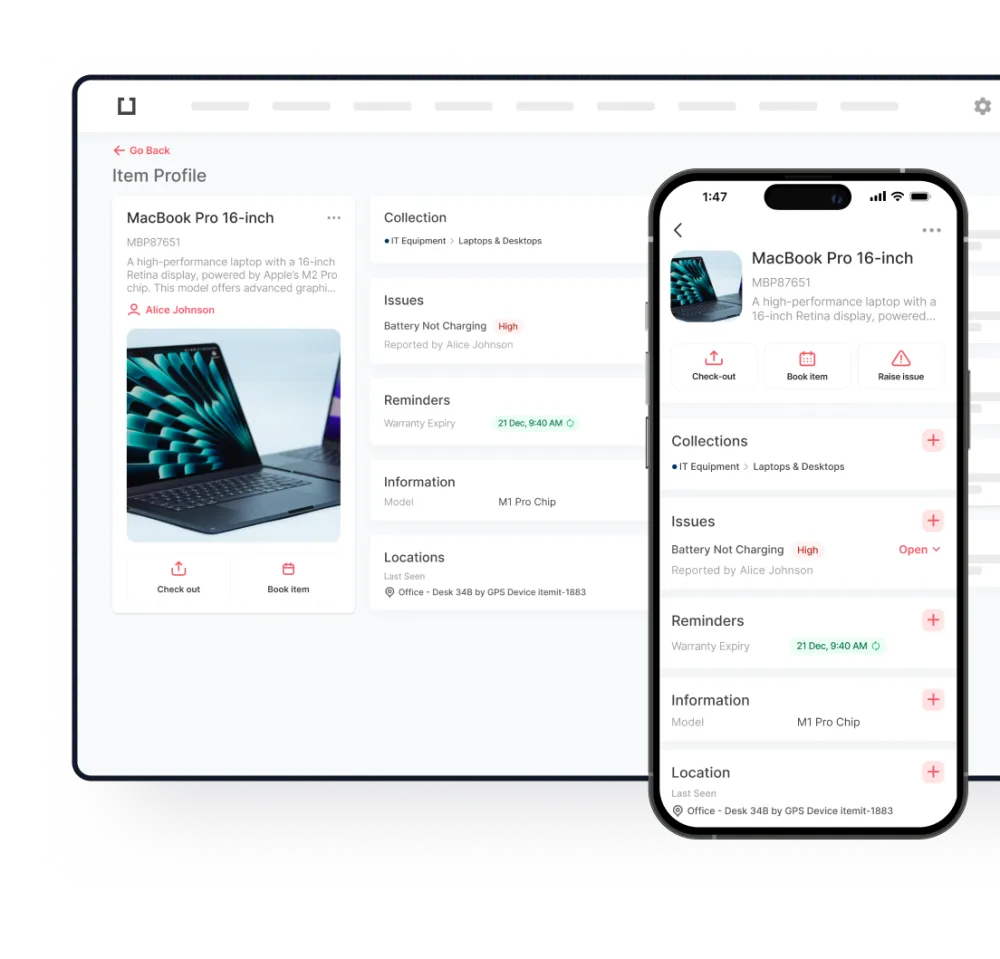
Modern asset tracking relies extensively on automatic identification and data capture technologies. Barcodes provide a cost-effective, easily scannable solution for simple standard inventory. They are perfect for mundane items like monitors and keyboards. QR codes offer substantially higher data capacity, allowing users to scan an item and instantly access its complete digital profile directly from a smartphone. This method is incredibly popular for laptops and tablets.
For larger scale or high-value environments, RFID asset tracking software (using Radio Frequency Identification tags) allows for rapid, bulk scanning without requiring direct line of sight. An IT manager can walk into a server room holding an RFID reader and instantly capture data for hundreds of servers within seconds. Choosing the absolute right technology depends entirely on your specific environment, team size, desired audit speed, and overarching budget priorities.
The Difference Between Tracking and Management
It is very important to distinguish between simple tracking and comprehensive management. While tracking is heavily focused on the physical condition, location, and immediate assignment of an item, management is a much broader strategic undertaking. Management encompasses financial planning, vendor negotiations, procurement strategies, and long-term deployment philosophies. However, robust tracking serves as the critical foundational data layer for all management decisions. You simply cannot manage what you are not currently tracking.
Benefits of It asset tracking
Implementing a comprehensive system for monitoring dedicated technology provides substantial advantages across multiple business departments. From the technical IT team supporting daily operations to the rigorous finance department balancing quarterly budgets, accurate data consistently drives operational excellence. Let us explore the core, indisputable benefits that make this practice indispensable for any modern company.
Financial Visibility and Cost Reduction
The immediate financial impact of knowing exactly what you own is significant and frequently surprising to executives. Organisations frequently purchase duplicate equipment simply because they cannot quickly locate existing, unused hardware lying in a storage cupboard. This frustrating phenomenon, known widely as ghost inventory, drains departmental budgets unnecessarily.
A robust tracking system definitively eliminates ghost inventory by providing a verifiable, instant record of all available items. When a new employee requests a replacement laptop, the IT manager can instantly check the database to see if a suitable device is already available in the storage room. This simple, ten-second check can save thousands of dollars annually. Furthermore, tracking software licenses allows companies to reclaim seats from former employees and reassign them, preventing the bloated software spending that plagues so many modern startups and enterprise corporations alike.
Want to skip the guide and start tracking now?
Stop losing equipment and wasting time on manual spreadsheets. With itemit, you can scan, track, and manage your technology infrastructure in seconds.
Book a Demo TodayEnhanced Security and Compliance
Security risks are a top concern for any modern enterprise, regardless of industry setup. A lost laptop is not just a missing piece of expensive hardware; it is a profound potential data breach waiting to happen. By meticulously tracking who is fundamentally responsible for each device, businesses can enforce strict accountability. If an employee submits their resignation and leaves the company, Human Resources and IT can collaborate using the central database to ensure every single assigned device is returned and thoroughly wiped before the individual departs the building.
Additionally, perfectly accurate records are consistently vital for regulatory compliance. When rigorous auditors request proof of software licensing or a complete hardware inventory statement, a central tracking system allows you to generate comprehensive reports instantly. This level of preparedness completely avoids massive compliance fines and significantly reduces the intense stress typically associated with surprise external audits.
Improved Maintenance and Support
Technology inevitably breaks down, but proactive maintenance can completely prevent catastrophic hardware failures. By tracking the exact technical specifications, warranty expiration dates, and previous repair history of every physical item, support teams can work much more efficiently. When a user reports a malfunctioning desktop computer, the responsible IT technician does not need to ask the frustrated user for complex model numbers and internal specifications.
Instead, the technician can simply search the asset tag within the database, view the entire unified history, and instantly determine if the device is still under warranty. They can quickly order the correct replacement part without visually inspecting the machine. This dramatically speeds up resolution times and drastically minimises completely unnecessary productivity losses across the entire company.
Streamlined Auditing Procedures
Conducting an annual physical inventory audit using manual spreadsheets is an incredibly painful, tedious, and immensely time-consuming process. It often involves multiple team members literally walking through every single office, trying hopelessly to match tiny serial numbers on spreadsheets to physical devices tucked under dark desks. The human error rate during this process is staggering.
With modern technological tracking solutions, auditing becomes a rapid and highly accurate exercise. Using smartphones or dedicated scanners, team members can rapidly scan QR codes or use RFID readers to verify hundreds of items in a mere fraction of the usual required time. This massive reduction in labor hours makes regular, accurate audits a realistic monthly or quarterly goal rather than a dreaded yearly operational nightmare.
Better Remote Work Management
The transition to remote and hybrid work models has dramatically complicated inventory tracking. Employees now take expensive corporate hardware into their personal homes, spreading the company network globally. A cloud-based tracking system allows IT workers to require remote employees to verify their equipment manually using an application, ensuring that items are still in their possession and functioning properly. This maintains strict oversight even when the physical items are hundreds of miles away from the primary corporate office block.