Managing the inventory is critical, as it is the foundation of every successful business, irrespective of its size or type. Good inventory management helps businesses meet their customer demands, control costs by reducing overstocking, and avoid complete stockouts. However, inventory management in this digital world is no longer as simple as it used to be, with outdated methods often failing to deliver results.
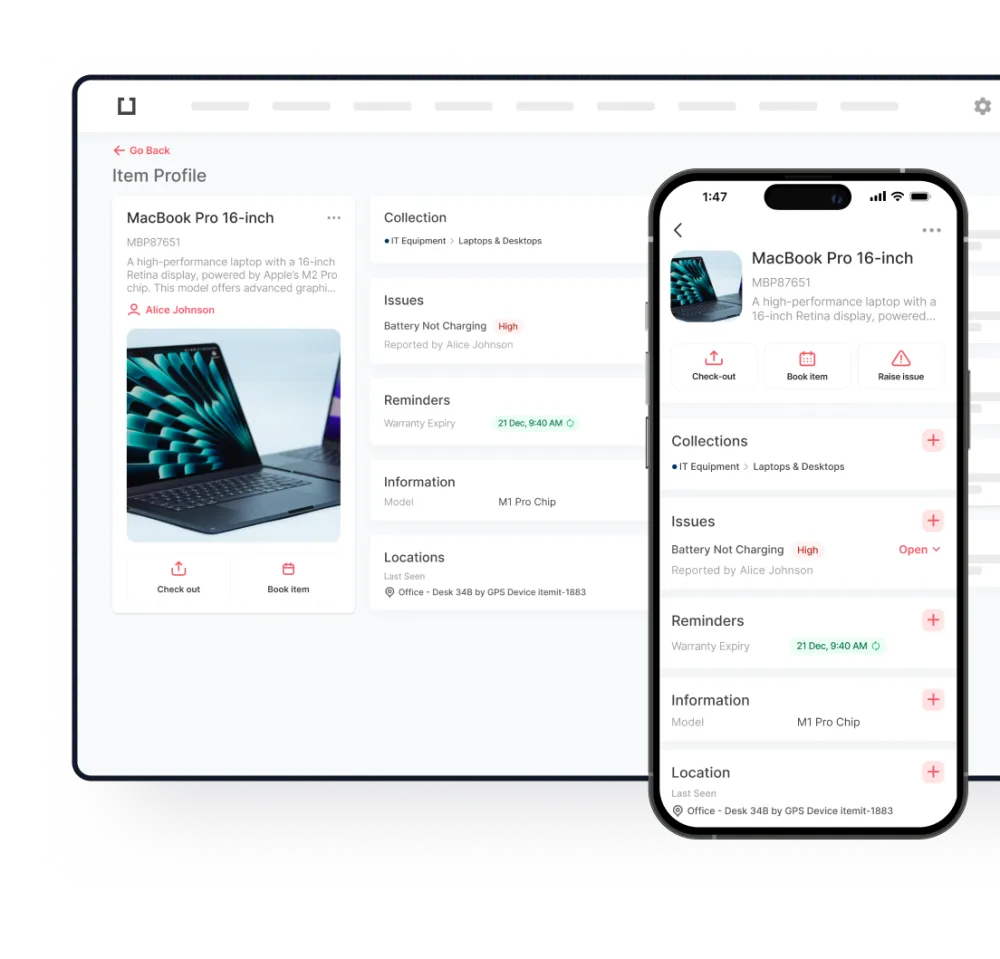
These days, more companies are relying on cloud-based inventory management systems to help them organise their inventory in real time. These systems track and monitor inventory through organisational mobile devices. By accessing these systems from remote locations, all you need is the Internet, which increases the organisation's operational efficiency and supply chain management.
These systems also help businesses manage their stock by synchronising with other tools for point-of-sale and accounting software. Unlike working with small e-commerce businesses, these systems are vital for larger enterprises that require a significant cross-level improvement in productivity and customer satisfaction.

How Does Online Inventory Management Software Work?
The aim of online inventory tracking software is to use advanced features, the cloud, and integration to give businesses unprecedented control over their stock. Let’s take a closer look at the main components and functionalities of the those software:
Real-Time Tracking
One impressive feature is the tracking updates. Users can monitor the movements of their stock in real time and ensure that all inventory numbers are accurate. This software can prevent stockouts, overstocking, and inaccuracies within the supply services system.
Cloud Accessibility
Unlike older systems that use hard disk space or Excel for inventory management, the online inventory software is based on cloud technology. This means that users can access their data from any location—be it at work, home, or on a road trip—Wi-Fi is all that’s needed. This is quite a useful feature for employees from different locations or those who work from home.

Today, most inventory systems are designed to work with other business software, such as accounting packages, ERP systems, or eCommerce platforms. This approach integrates operations and eliminates excessive manual processes, enhances accuracy, and offers an accurate snapshot of business activities.
Automation and Alerts
One of the most important components of these systems is automation. When stock levels fall below certain thresholds, the system can automatically reorder supplies. Notifications can also be configured for items that are running low in stock or have expired, allowing you to manage all these tasks without constant supervision.
Analytical Insights
Cloud-based inventory systems have very useful analytics and reporting functionality. Analysing inventory patterns, turnover, and demand enables businesses to make calculated decisions that will positively impact their bottom line. These are typically depicted in easy-to-understand dashboards to ensure faster insights.
Scalability and Adaptability
As companies develop, so do their inventory requirements. The flexibility of online inventory management systems allows for additional products, sites, or users without the need to undertake a massive change when incorporated into your business.
How It Differs from Traditional Systems
Managing stocks using manual processes like spreadsheets or older types of software is usually slow, inaccurate, and difficult to access. This is the opposite of an online inventory management system because it:
- Provide Real-Time Updates: Traditional methods rely on periodic updates, while online systems offer instant visibility.
- Enable Remote Access: Legacy systems typically require on-premises access, whereas cloud-based platforms can be accessed from anywhere.
- Streamline Integration: Manual systems rarely integrate with other tools, leading to siloed data, while modern software unifies operations.
Online inventory software is critical in today’s growing businesses as it helps companies stay competitive while simplifying their operations and improving customer satisfaction. However, for a company to reap the benefits of these solutions, it must also improve the way it controls its inventory, which will, in return, provide a competitive edge within the industry.

Who Can Benefit From Inventory Management Online?
Arguably, one of the most significant developments beneficial across many different industries is the inventory management system. These systems are adaptive, powerful, and, most importantly, flexible for businesses to adjust to their specific needs. Let’s see how this modern solution can help different businesses thrive.
Small Businesses
Running a small business, every second and every dollar needs to count. Online inventory systems make stock management simple by accommodating everything from budget constraints to workflow optimisation. These systems offer numerous features to businesses, such as automated stock alerts, which means you can set your focus on what’s important – growing your startup. These tools are invaluable since they are affordable and designed to lower waste and prevent expensive errors from happening.

E-Commerce Companies
In the world of e-commerce, where everything is moving at lightning pace, speed and accuracy are everything. Online inventory management systems allow you to track stock levels throughout many sales channels without being left explaining how the product is out of stock. These systems also automate things such as pulling data from e-commerce platforms and shipping tools, meaning order fulfilment becomes quicker and simpler. This means happier customers, more streamlined operations, and smooth sailing for you.

Becoming a big business presents new lessons, especially regarding how complicated supply chains or stock-filled warehouses are managed. The way online infrastructure is set up enables such businesses to operate effectively. These systems allow for more centralised control and deeper analysis and provide enough growth to keep up with demand. These systems enable enterprises to have a competitive advantage, whether in supply chain optimisation or operational cost minimisation.
From the smallest start-ups to global corporations/international firms, the real-time asset-tracking benefits seem limitless. The focus is on smarter decision-making, better control, and, finally, scaling your business. If you’re not using one yet, what are you waiting for?
Top Features to Look for in Online Inventory Management Software
When it comes to choosing the right online inventory management software, not all tools are created equal. The best systems pack a punch with features that simplify your operations, save time, and give you the insights you need to thrive. Here are the must-have features to keep an eye on:
1. Cloud-Based Access
Say goodbye to the days of being chained to your desk. You can now access your inventory anywhere using a cloud-based app. You can check stock levels on your phone during meetings and update inventory while sitting at home. You'll never be disconnected from your business. Plus, you can rest easy knowing that your sensitive data is completely safe with cloud storage!
2. Real-Time Inventory Tracking and Updates
As a business owner, you must always be aware of what’s available for sale. This will help you avoid those unfortunate holes in your inventory. Constant updates of your stock and its movement will ensure that you are always ahead of your customers’ demands. This is real-time tracking, allowing round-the-clock access to your inventory.
3. Customisable Reports and Analytics
Reports tailored specifically for your business can be invaluable. From marketing trends to stock-in and stock-out analytics, these reports help you spot patterns and set growth opportunities. As they say, data is power, and the more tools you have, the smarter choices you will make for your company. You can achieve your goals with less stress.
4. Barcode and QR Code Scanning
Business is always a race, and scanning barcodes or QR codes is the quickest method of retrieving information. This feature simplifies stock control by converting everything to digital format. This reduces the chance of human blunders and makes everything from tracking to organising and even placing new orders effortless and uncomplicated. Simply scan and go—it’s as easy as that.
5. Integration with Online Stores and Accounting Systems
Why work harder when you can work smarter? Thanks to integration possibilities, the inventory system connects effortlessly with other tools like e-commerce applications and accounting programmes. This results in fewer mistakes, faster workflows, and only one location for business-related data.

How to Choose the Right Online Inventory Management System
Selecting the right online inventory management system can feel overwhelming, but it doesn’t have to be. By focusing on your business’s unique needs and growth potential, you can find a solution that fits like a glove. Here’s how to get started:
Evaluate Your Business Needs
First things first—take a step back and evaluate your operations. Consider the size of your business, the industry you’re in, and the complexity of your inventory. For example, a small retail shop might need a straightforward system, while a large enterprise might require an advanced asset-tracking system with integration capabilities and analytics.
Look for User-Friendly Software
Ease of use is key. A system with a clean, intuitive interface can save your team hours of training and minimise mistakes. Don’t forget to check out the quality of customer support—having experts on hand can make all the difference if you run into any snags.
Prioritise Scalability
Your business isn’t standing still, so neither should your inventory system. Choose software that can grow with you, whether that means adding new locations, handling more products, or integrating with other tools as your needs evolve. Scalability ensures you won’t outgrow your system as your business flourishes.
By applying these strategies, you can pinpoint an inventory management system that truly aligns with your specific needs. Whether it’s simplifying day-to-day tasks or fuelling your growth ambitions, the right system can transform how you manage your assets. Don’t just settle for functionality—seek a solution that evolves with your business and turns inventory management from a challenge into a competitive edge.