Asset tracking is undoubtedly one of the most important business functions that you'll carry out on a day-to-day basis.
Whether you simply want to increase accountability, reduce losses or boost productivity, itemit’s asset tracking software is a one-stop solution that'll make all your worries disappear!
Read on to learn more about how asset tracking software can help you achieve your particular business goals.
The Importance of Asset Tracking to Your Business
Let’s start off by discussing why asset tracking is so important. The assets that a business owns encompasses all the possessions that do or will help it produce a good or deliver a service.
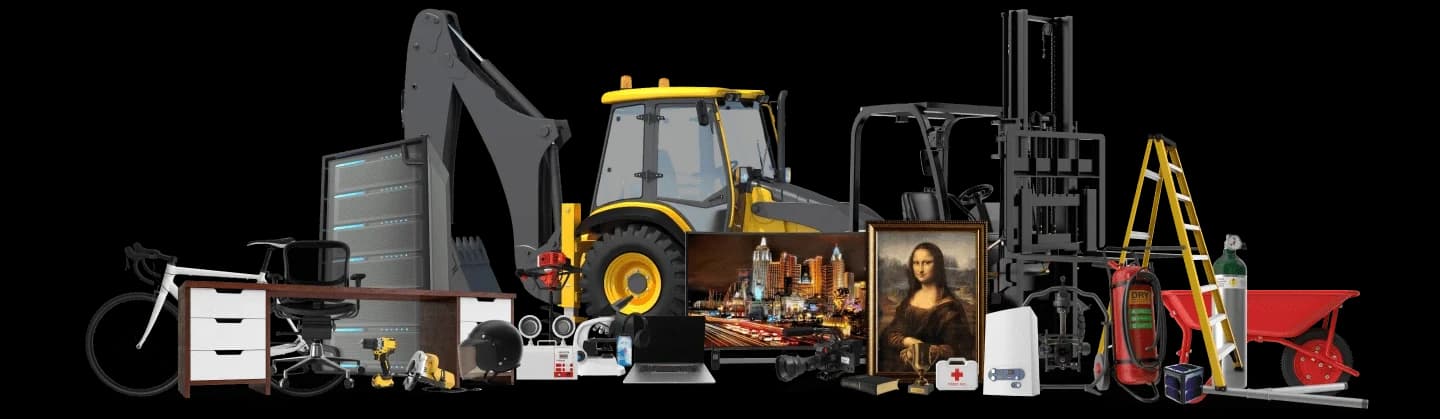
These could be anything ranging from buildings, land and furniture to IT equipment, software and small office fixtures.
While it goes without saying that a business should keep track and manage all of its assets, it is equally important to understand why doing so is beneficial for the business. Listed below are some of the major reasons why asset tracking is considered to be a fundamental business process.

Easily Available Asset Data
Routine business functions may involve checking in/checking out different items. At times like these, asset tracking comes in handy. Be it for locating your assets or updating the amount present in your inventory, your assets data is indispensable in many similar situations.
That’s not all. By knowing where your assets are, and who has them, you can rest assured that all your assets are accounted for. With the ease of accessibility of your assets data, your business’s productivity improves accordingly.
Improved Customer Service
Confused about how asset tracking can improve customer service?
Let us explain with the help of an example. Imagine your business does not track assets. As a result, your stock will be out of high-in-demand items quite often. By employing asset tracking to better analyse customer buying patterns, you can ensure that popular products are never out of supply. Consequently, your customer’s satisfaction will improve, leading to more loyal customers and giving you an edge over your competitors in the market.
Reduced Losses, Increased Profits
Arguably the greatest advantage of asset tracking is that you manage to cut back on expenditure. Whether it be preventing duplicate purchases, improved resource utilisation, or timely asset maintenance, asset tracking goes a long way in helping you reduce time and capital investment.
An apt example of asset tracking assisting you in reducing losses could be related to duplicate purchases. For instance, asset tracking allows you to keep track of all acquired assets and reduce the likelihood of purchasing excess/duplicate assets, which would then inevitably go to waste.

The Best Way to Track Your Assets: Using An Asset Tracking Software
Many businesses register their assets in extensive lists and spreadsheets but now there is a much more efficient and secure alternative: asset registers. Asset registers are easy to create with asset tracking software.
These asset registers are highly effective at preventing asset losses and duplicate purchases because your data is visible, usable, and always editable.
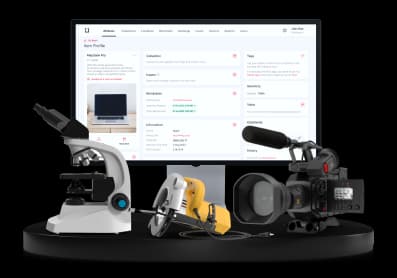
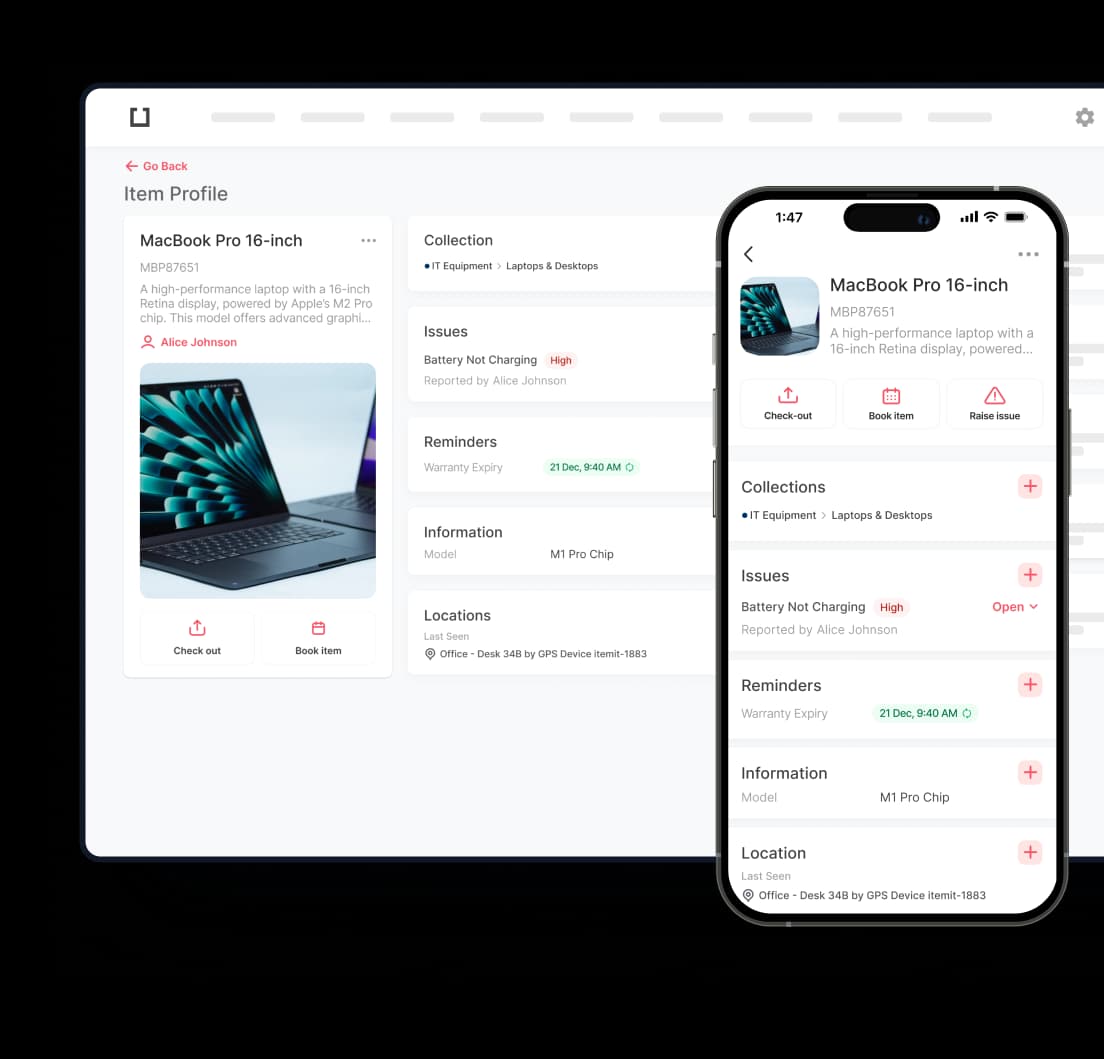
Rather than sifting through hundreds of cells in a spreadsheet, asset tracking software allows you to edit and manage asset data, all contained within a single, unique asset profile.
Asset tracking software allows businesses to have a clear overview of their asset data efficiently and concisely. Adopting this new technology can give your business the necessary push to revolutionise the way asset management is carried out, undoubtedly making your business more efficient. The merits of using asset tracking software are innumerable. Some include:
Asset Tags
Asset tags are physical tags attached to an asset. They contain a unique code, linking a physical entity to its online counterpart. Rather than looking up an asset, you can simply scan the unique code to access the asset’s stored data. This aids your business by saving time, increasing automation, and therefore improving productivity.
Moreover, every time an asset's tag is scanned, that asset’s last seen location and the user who scanned the tag is updated automatically. With a clear and concise audit trail of who has been interacting with your assets, tracking your assets becomes a doddle.
Updating Asset Records
The ease of use that comes bundled with asset registers allows you to access your assets data in a much more streamlined way. Asset tracking software allows you to add and remove many different types of information related to fixed asset management, such as the assignee and the depreciation.
On top of that, asset tracking software systems are shareable amongst your team. What this means is that you and your entire team can use the asset tracking software simultaneously for different individual purposes. While one team uses the asset tracking software to carry out IT asset tracking another team can monitor and create asset maintenance schedules.
Reduced Costs
Though it may be difficult to translate into costs, asset tracking software can save your hours upon hours of manual labour. The work done in say, an hour manually, can be completed in mere minutes using asset tracking software. This accumulates: over the course of a fiscal year, it may save you hundreds of pounds in salaries alone!
Saved Time
Similarly, the time freed up by using asset tracking software can also be put to use. For example, say that you're working in the construction industry, dealing with construction equipment asset management.
For the sake of understanding, let us assume that all of your projects are of the same length. If asset tracking software saves you 10% of the time taken to complete a single project, after 10 projects you could take on an entirely new project by simply using the time saved!