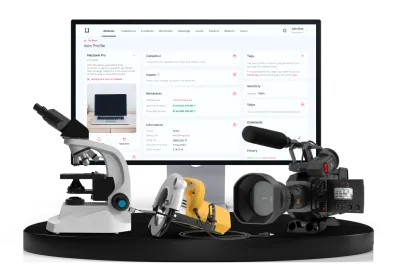
For those of us that have not been on a film set, or worked in film production, it is difficult to imagine just how many moving parts there are to the film making machine! If you work in film, you will know only too well that there is way more to think about than just pointing the camera in the right direction!
Asset Tracking Challenges in Film
Lots of Assets
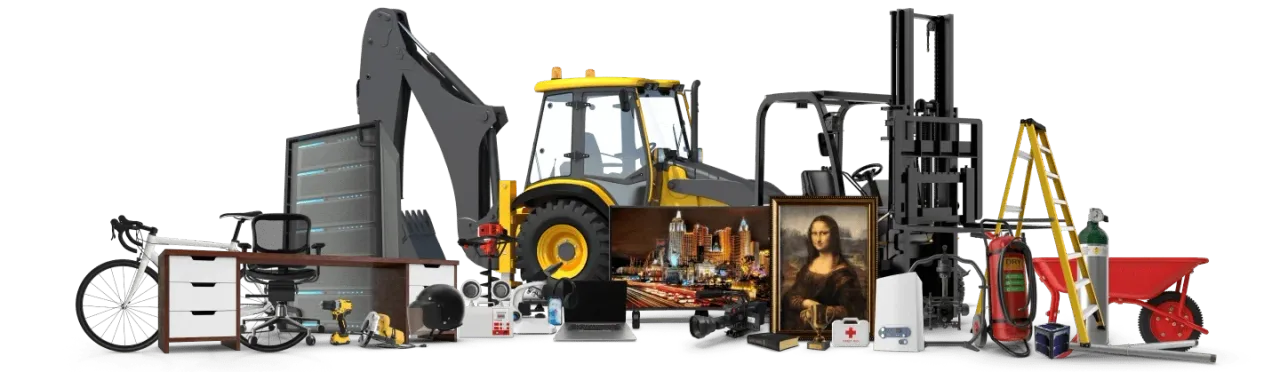
Let’s start with a big one! There can be a huge amount of assets involved at every step of the production process. Lights, mics, booms, tripods, light reflectors, editing equipment, lenses, the list is long and gets bigger depending on the size of the production. Needless to say, this is a logistical nightmare to keep on top of.
Multiple Companies
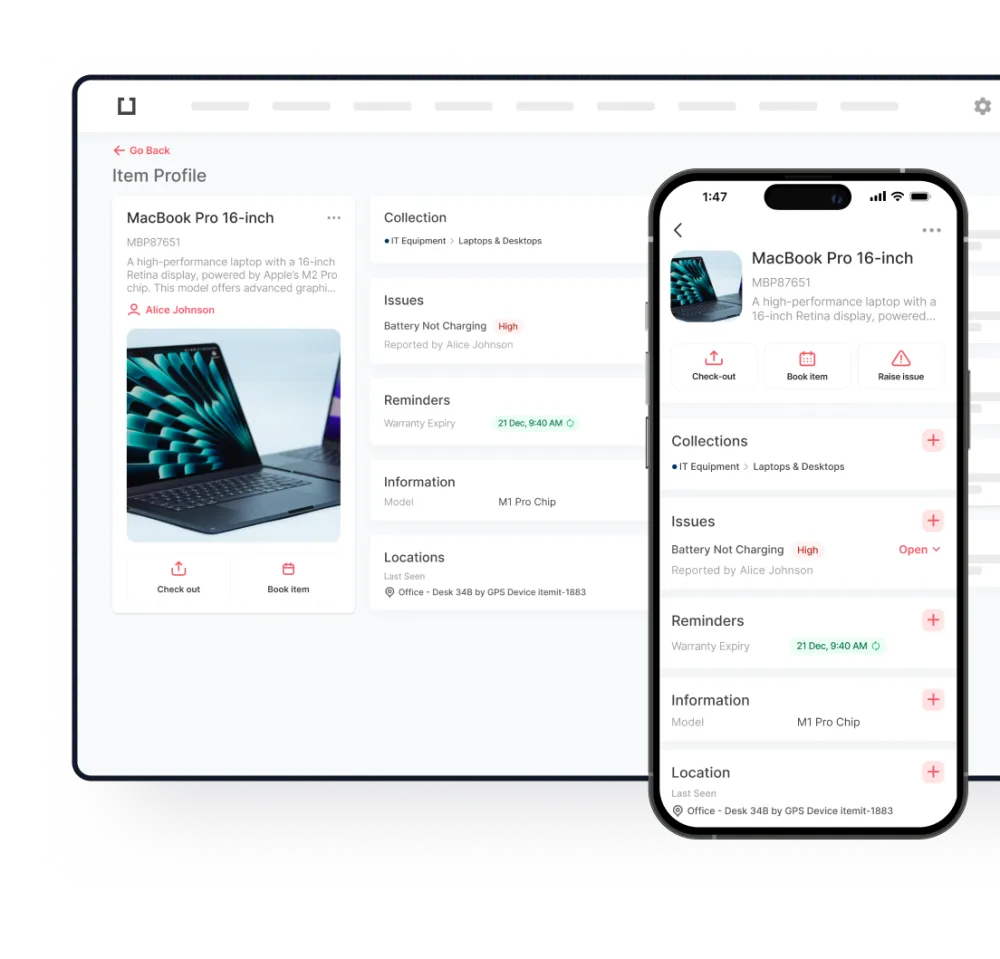
Most productions rely on various teams and companies to work collaboratively to bring a vision to fruition. This complicated the asset tracking process. With a central asset tracking software you can make sure you keep track of what is where and who it belongs to, which helps ensure insurance compliance.
Hired vs Owned
No two productions are the same, so it doesn’t make sense to have equipment that can cope with the largest production, as a lot of the time assets will be gathering dust! So, you need to hire a lot of equipment. This comes with an added risk of spiralling costs if the asset breaks. Asset tracking software lets you back yourself up by guaranteeing that you are compliant with your insurance.
Approaches to Asset Tracking in Film
Like all modern asset tracking, film asset tracking relies heavily on tagging. Let’s look at the most common and effective asset tracking technologies and how they apply to the film production industry.
QR Tracking
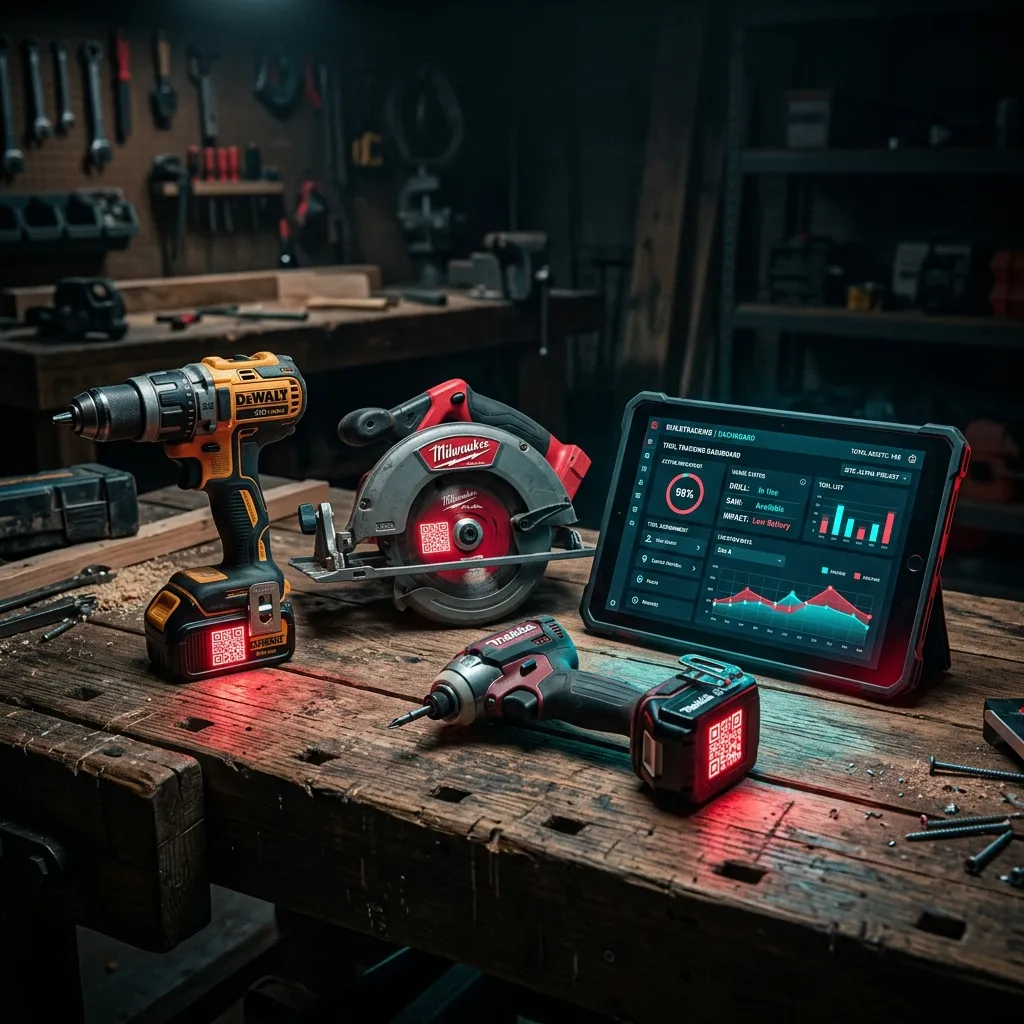
Asset tracking with QR code has become a familiar part of our daily lives. QR codes are those squares of dots and black boxes that you see all over the place. These are unique patterns that represent sets of information. This technology is not just a powerful marketing tool, it has huge implications when it comes to asset tracking. They are cheap to produce and can be added to asset tracking software quickly, meaning that you don’t need to spend ages manually tracking assets.
 Watch video
RFID Tracking
A real benefit of RFID tracking for film asset tracking is that RFID trackers don’t have to be visible. So if an asset is going to be on camera, you don’t need to worry about hiding a QR code.
Simply stated, RFID (radio frequency identification) is a means of communicating info about an asset. You can add and delete info as and when needed, which makes them great for using equipment on different sets.
GPS Tracking
GPS is a really important part of film production asset tracking.
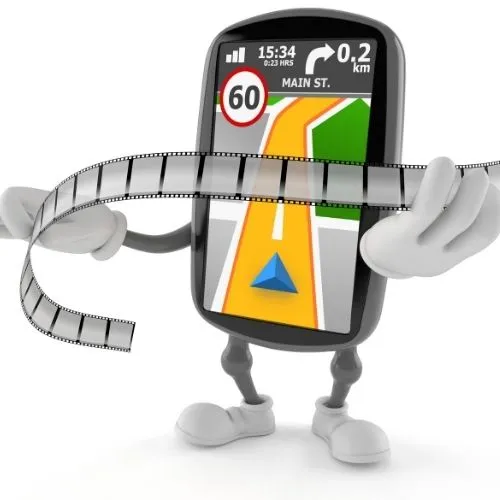
Like QR tracking, we are all using GPS tracking in our day-to-day lives. Most people have a sense of how GPS works, but for the sake of thoroughness, let’s remind ourselves how this works. GPS stands for ‘Global Positioning System.’ GPS trackers are linked to satellites which send signals that let us know the location of the tracked object. There is a tracker in every smartphone, SatNav and a range of other handheld devices.
When it comes to film production the applications are vast. Production schedules are often have a variety of different locations at which they need to set up quickly and capture content efficiently. Multiple GPS trackers without a central database is a little like talking to an empty room. The information is out there, but no one can manage and react to it.
When it comes to asset management GPS is probably most commonly used with vehicles. Production companies can keep track of where vehicles are at time. This makes it possible to streamline the production process.
So far, we have focussed largely on production companies. Of course, there are a variety of disparate businesses that specialise in the film-making or production industries. For example, catering. Most large-scale productions have catering trucks to feed the masses of technical staff and on-screen talent. A large catering firm that is working on multiple sets, can really benefit from a central system for tracking vehicles.
However, this is not the only application of GPS technology. Trackers can be added to individual items and scanners which make it possible to find the locations of smaller items that have been checked out. For example lighting rigs and cameras.
By focusing on idle and underused hardware, Hardware Asset Management helps you get the most out of your assets. You can accurately keep track of your hardware inventory and avoid overspending on hardware assets that end up on shelves.
Having a clear overview of your hardware inventory and knowing what is available will let you avoid purchasing hardware that you already have.