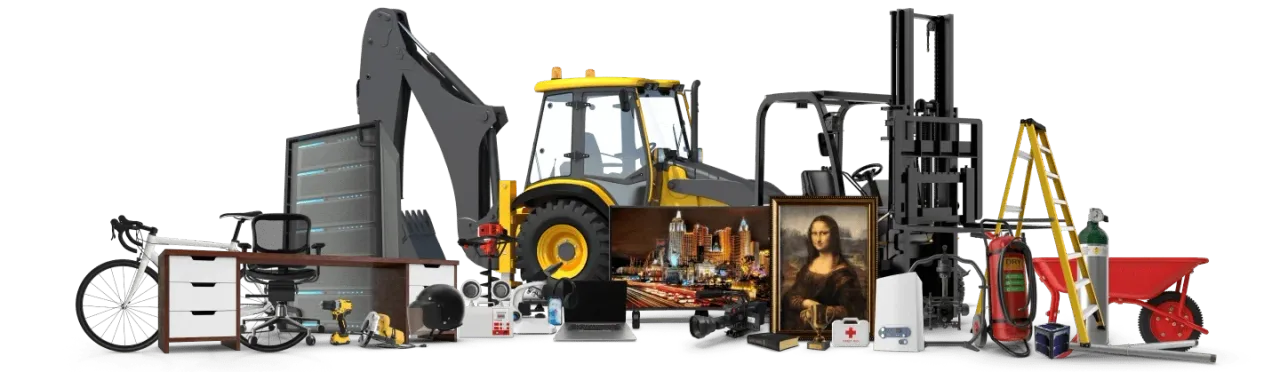
Construction, electrical, plumbing, automotive or manufacturing, you name it. All these industries are heavily reliant on a large number of tools and equipment. Not only that, almost every medium-to-large scale establishment has a department that operates with a lot of tools for its day-to-day operations.
If your work involves using different tools, you’d already have your reasons for getting a tools tracking system. But if you’re an executive member who isn’t involved with tool-intensive work or you just need some convincing about getting tools tracking software for your organisation, this 4-minute read is for you.

What Does a Tools Tracking System Do?
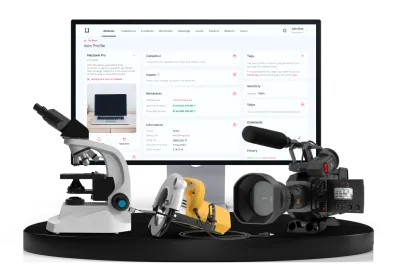
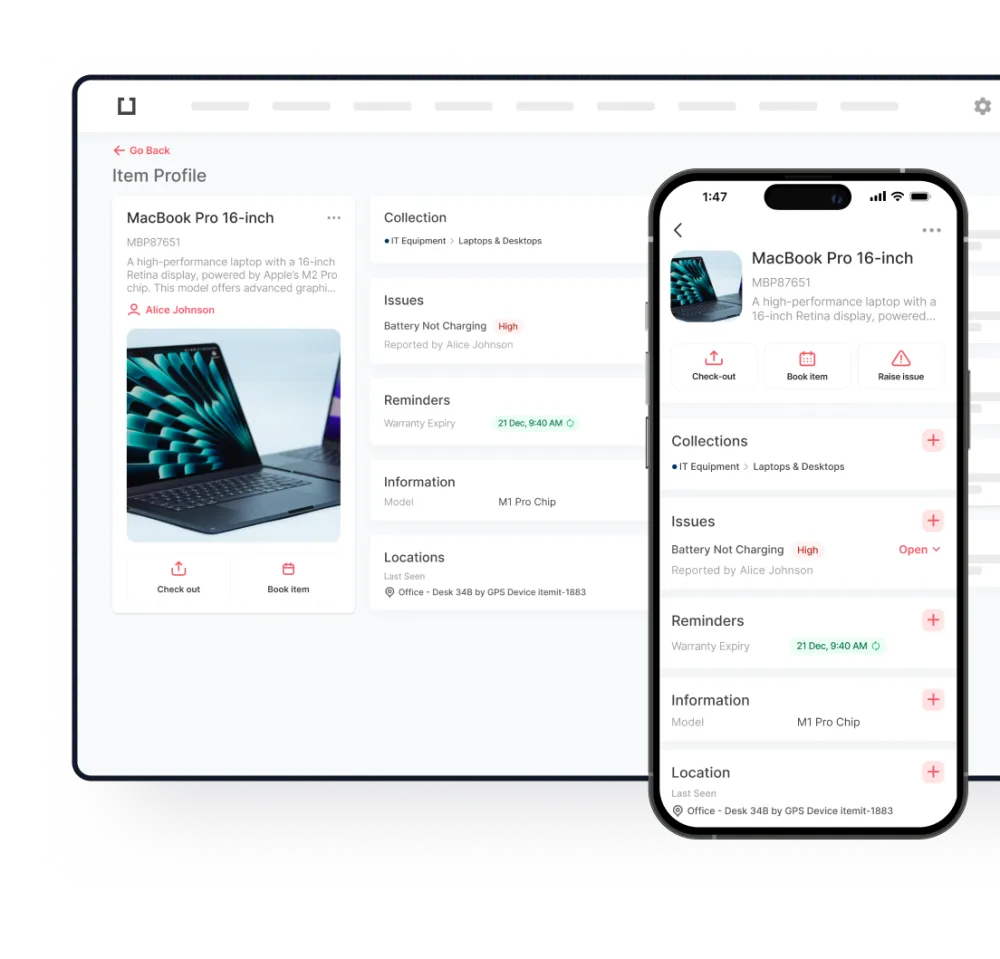
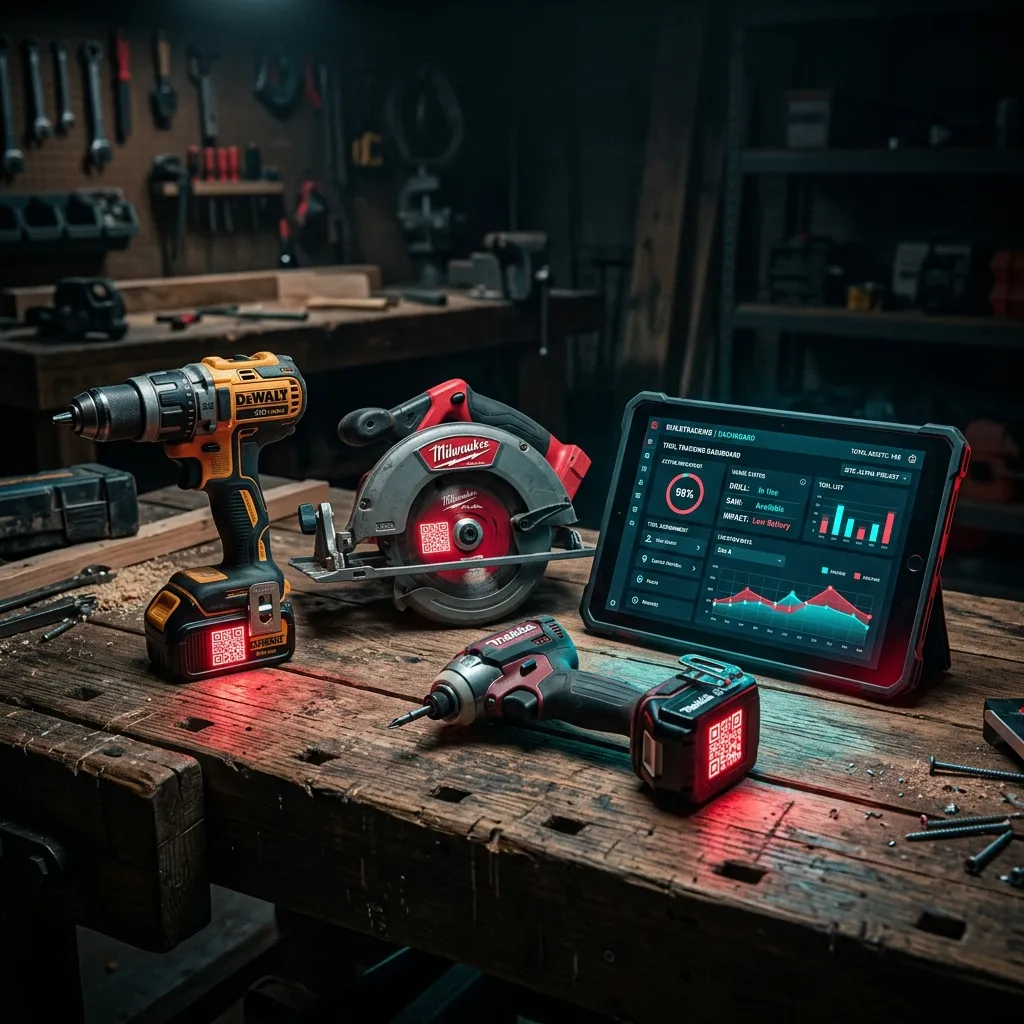
itemit’s tool tracking system allows you to track your tools in real-time. From smaller hand tools like hammers and spanners to large units like cement mixers and wheelbarrows, you can track them all from one cloud-based platform.
With itemit, you can see what tools you have, who has them and where they are, and every other important detail so you never lose a piece of equipment again. It also gives you valuable insight on tool utilisation trends so you can make the most out of your tools and make well-informed tool purchases.
Why Should You Get a Tools Tracking System?
Everything from a small tool like a screwdriver to a more important piece of machinery like a large drill machine forms the backbone of your company. To keep your business running smoothly, it’s imperative to ensure all its nuts and bolts are kept track of, in place and tightened!
In a tool-intensive industry like construction or automobile repair, tracking your tools should be a huge concern. Simply because you incur huge losses in time, productivity and money in the absence of a robust tool tracking system.
The slightest deviations from the work plan, for instance, time lost in recovering a lost tool, can cause huge delays in project completion. Because this is not just half an hour lost on finding one screwdriver. This is an aggregate of multiple days lost on finding different tools misplaced by different employees every day!
On top of that, when you keep losing track of your tools, the delay also increases the cost of project completion. There are irregularities in tool data when you don’t have a tools tracking system, and this, in turn, leads you to make incorrect decisions about your company’s capability. You cannot provide accurate time and cost estimates. Time loss coupled with incorrect estimates results in the actual project completion cost being much more than what you initially anticipated.
All in all, not tracking your tools leads you to faulty decision making, incompetent planning, and ultimately, the inability to fulfil commitments. But this is just the tip of the iceberg. There are many more ways how tools tracking software helps your business.