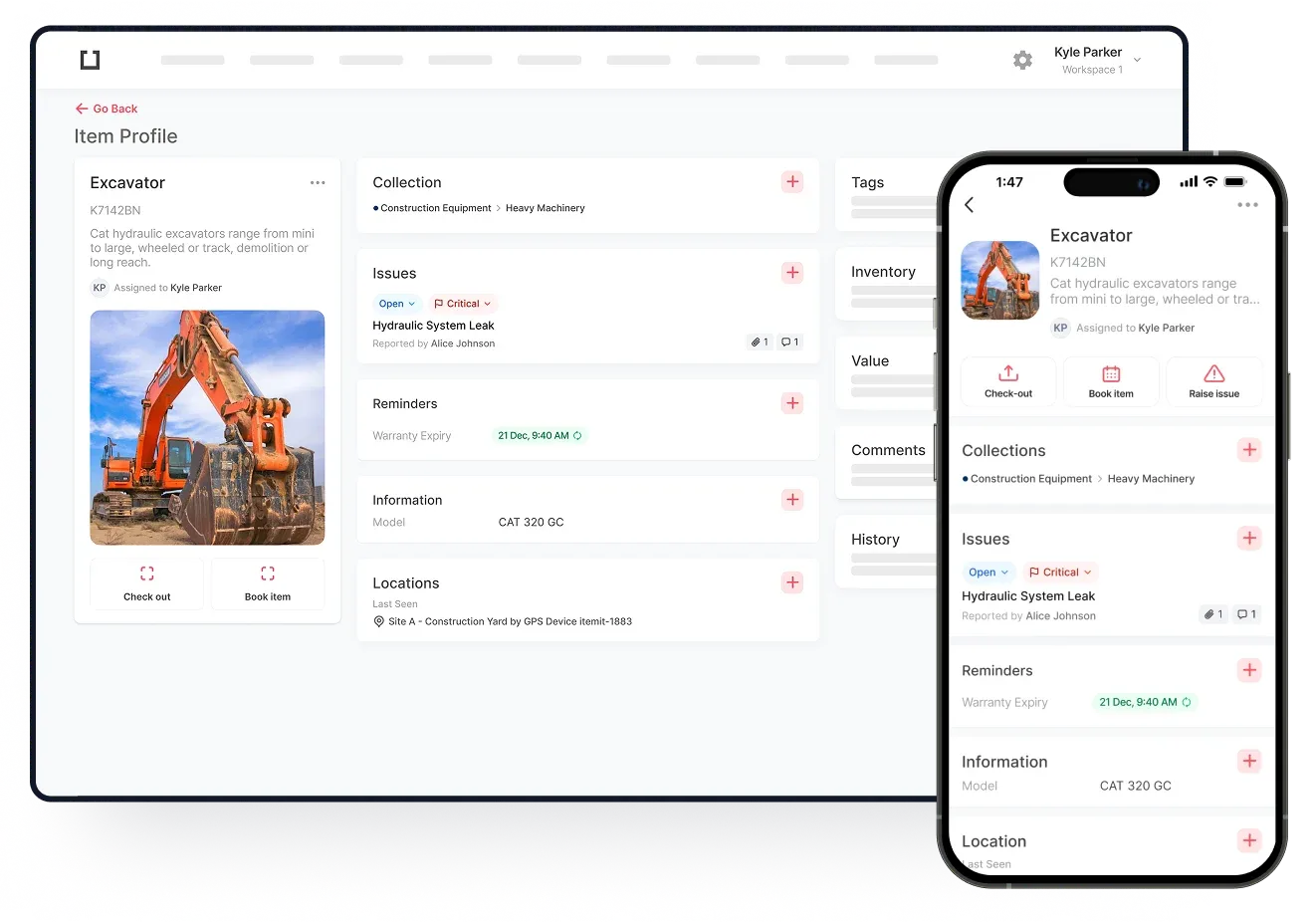
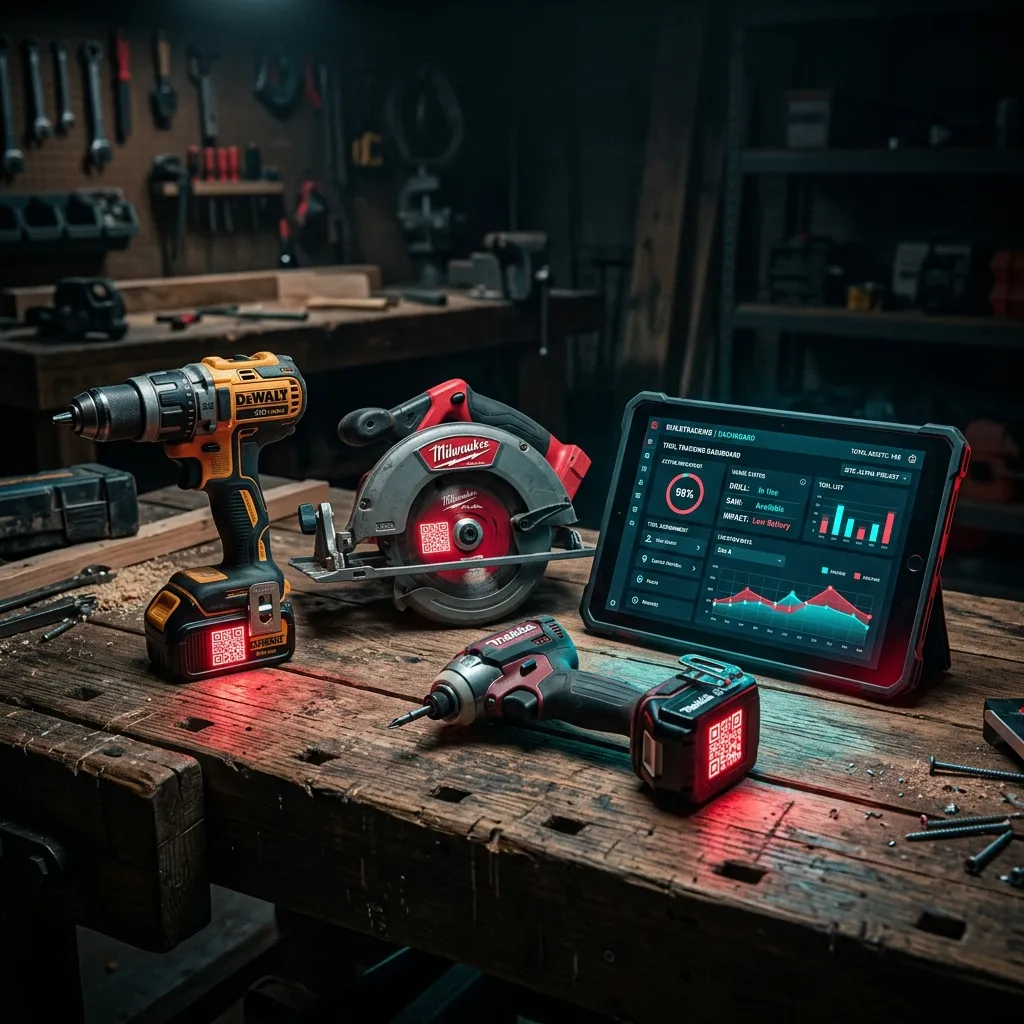
itemit’s Equipment Tracking software is used by many organisations. Thanks to the way it has been designed, our tracking software provides very useful information. Easy to use, and with many benefits, this software can potentially help organisations to become more organised while saving money.
The Benefits of Equipment Tracking
There are many benefits associated with tracking all of your equipment. Some of these benefits include:

Your Equipment is Tracked All Day, Every Day
As soon as an RFID or QR code is attached, your equipment will be tracked 24 hours a day, 7 days a week. This means you can keep an eye on it from your office, your home, on a construction site, and almost anywhere.
If you need to know where some or all of your equipment is at any time, you track its location. In addition to this, you can access itemit’s Equipment Tracking software via a computer for the web portal or mobile device for the app. This makes the software even more convenient to use.
You Can Say “Goodbye” to Ghost Assets
Ghost assets are assets that have been stolen or misplaced. Unfortunately, organisations of all shapes and sizes lose equipment every year. Thanks to the way that itemit’s tracking software works, managers are less likely to lose any more equipment.
What this ultimately means for your organisation is that less money will be spent on replacing lost or stolen assets. Those much-needed funds can be diverted elsewhere and help your organisation to thrive.
Your Maintenance Schedule is Kept Up to Date
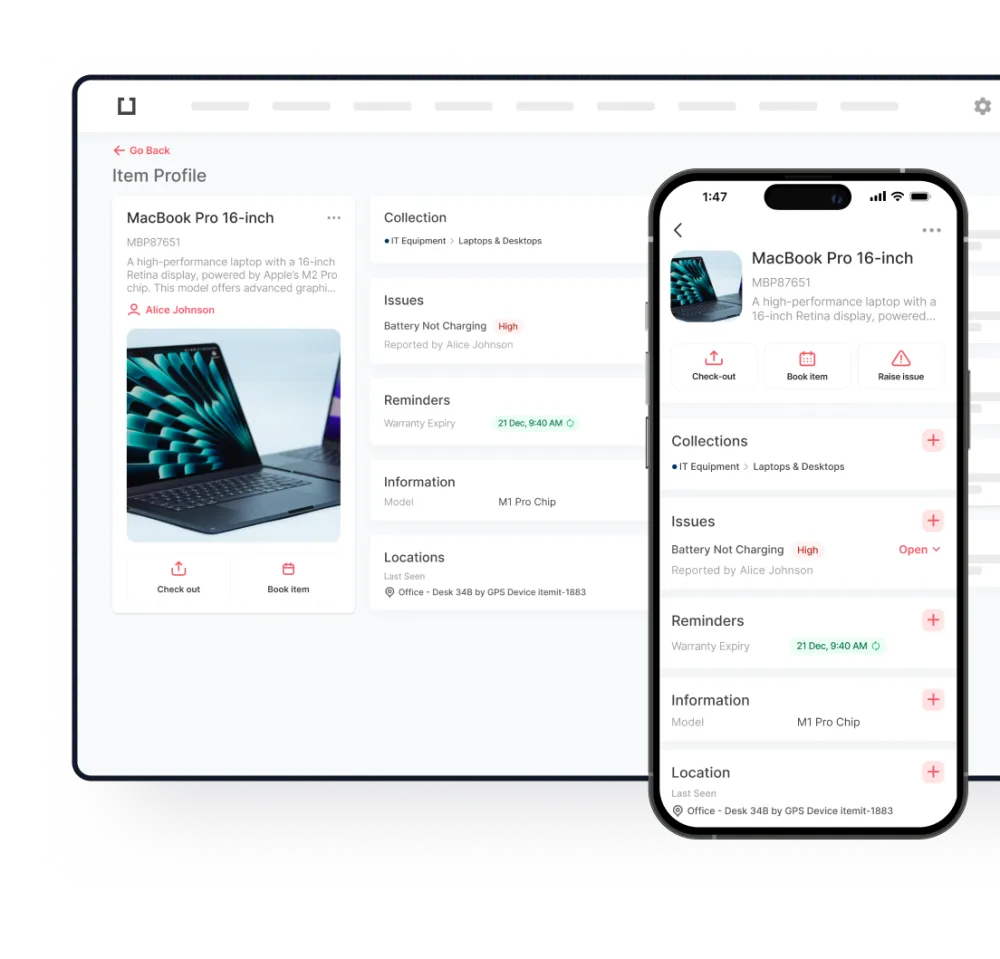
Depending on the type of equipment that you use, it may need to be maintained at regular intervals. Our tracking software allows users to schedule maintenance reminders. Whenever a piece of equipment is in need of maintenance, users will be sent a notification using itemit's reminders feature.
One of the benefits of frequent maintenance means that equipment is more likely to last longer. This, in turn, can help to lower maintenance costs while ensuring all equipment runs as well as it needs to.
You Can Save Time Searching for Equipment
When logged into the software, users can see exactly where the equipment they need is. This feature can be invaluable during busy times as users will no longer need to spend time searching for it.
Additionally, users will see how long the current user has booked the equipment for (if applicable). There is the potential for users to book the equipment so that they’re next in line to use it.
Equipment Can be Assigned to Employees
Managers can assign much-needed equipment to individuals, should they wish to. If specific employees need to use a certain piece of equipment to complete a task, managers can ensure they are assigned it.
A feature such as this ensures that the right employees have the right tools for the job. It also helps to eliminate potential arguments over equipment as it’s clear who will be using it next.
 Watch video
Equipment Can be Checked In and Out
Managers can choose to ask employees to sign equipment in and out. This method of tracing can prove to be very useful should equipment go missing or be left behind. Employees will feel more responsible for the equipment as it has been checked out in their name. They are also more likely to return the equipment to the warehouse, for example, once they no longer need it.
Employees can also see that the equipment is located in the warehouse and not being used. They can choose to use it by selecting it on the app for making their way to the warehouse before signing it out.
Managers can also ask employees to note why they are using the equipment. Having this knowledge can help managers to determine whether more equipment needs to be purchased.
 Watch video
Every Piece of Equipment Will Have a History
The more itemit’s Equipment Tracking software is used, the more data will be generated. Every piece of equipment that an organisation owns will have a usage, maintenance, and tracking history. This can prove useful when managers wish to note how often equipment is used and whether additional procurement is required.
Managers can make more informed decisions about future purchases. The decisions can be based on the data that they have in front of them.
What Equipment Can You Track?
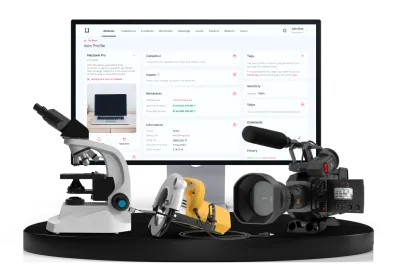
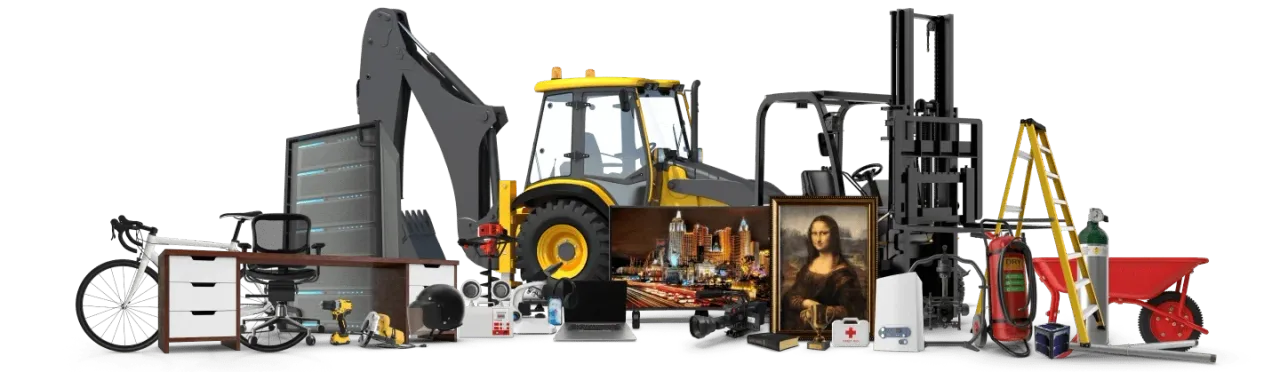
Organisations of all shapes and sizes can track all types of equipment. For example, it is possible to track
- Factory equipment
- Sports equipment
- Construction site equipment
- School equipment
- Hospital equipment
- Equipment that is sent out for hire
- Community centre equipment
- Office equipment
- Gardening equipment
- And much more
Almost every organisation can track its equipment. Whether the equipment is used in multiple locations or it’s fixed, it can be tracked.