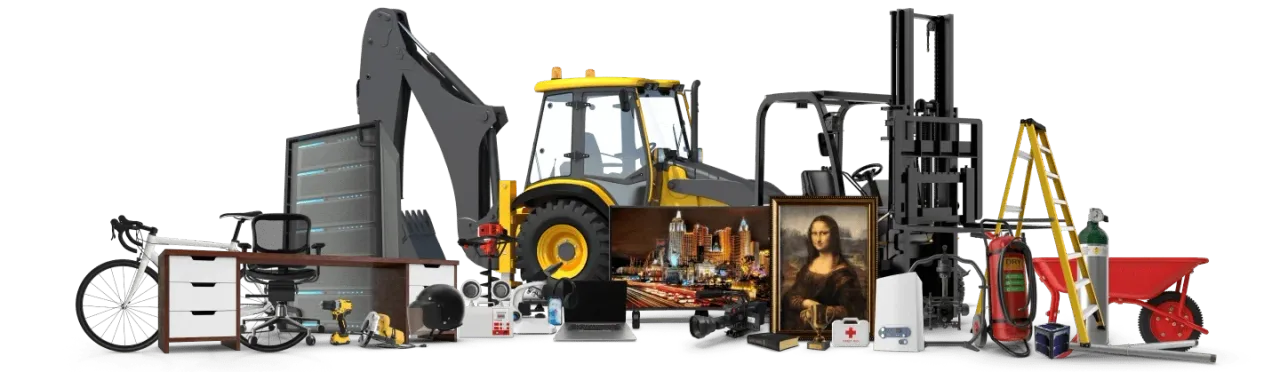
A hardware asset is a term that’s used to describe a physical asset that a business may have. Using hardware asset management can help businesses to locate and maintain their assets.

What Exactly is the Hardware Asset Management Life Cycle?
The management of hardware assets covers the whole life of every asset. The hardware asset management lifecycle can have about six different parts. These parts are:
- Request – This part of the life cycle refers to the request for the need of hardware.
- Fulfil – As soon as the request has been granted, the order for the asset can be fulfilled.
- Deploy – Hardware assets can now be deployed and put to use. Employees can potentially check the assets in and out while also establishing acceptable use policies.
- Monitor – This stage of the asset’s life cycle revolves around management keeping a close eye on the assets. This can help to reduce security risks and prevent hardware from becoming outdated.
- Service – Regular maintenance is usually required for all types of assets. The service stage of a hardware asset involves just this. If an asset is damaged, it may need to be reassigned or even recycled.
- Retire – When an asset has reached the end of its life cycle or is damaged beyond repair, the final stage involves retiring it. When an asset is retired, management can work to replace it.
Implementing an effective hardware asset management audit checklist ensures businesses can track each phase of their assets' lifecycle, reducing the risks of loss and inefficiency. For a deeper understanding of what hardware asset management (HAM) is and how it works, check out this comprehensive guide: What Is HAM.
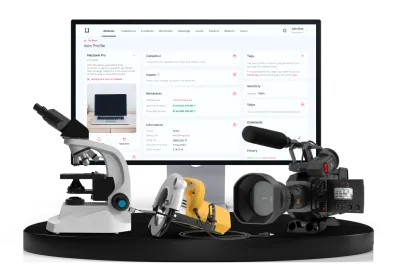
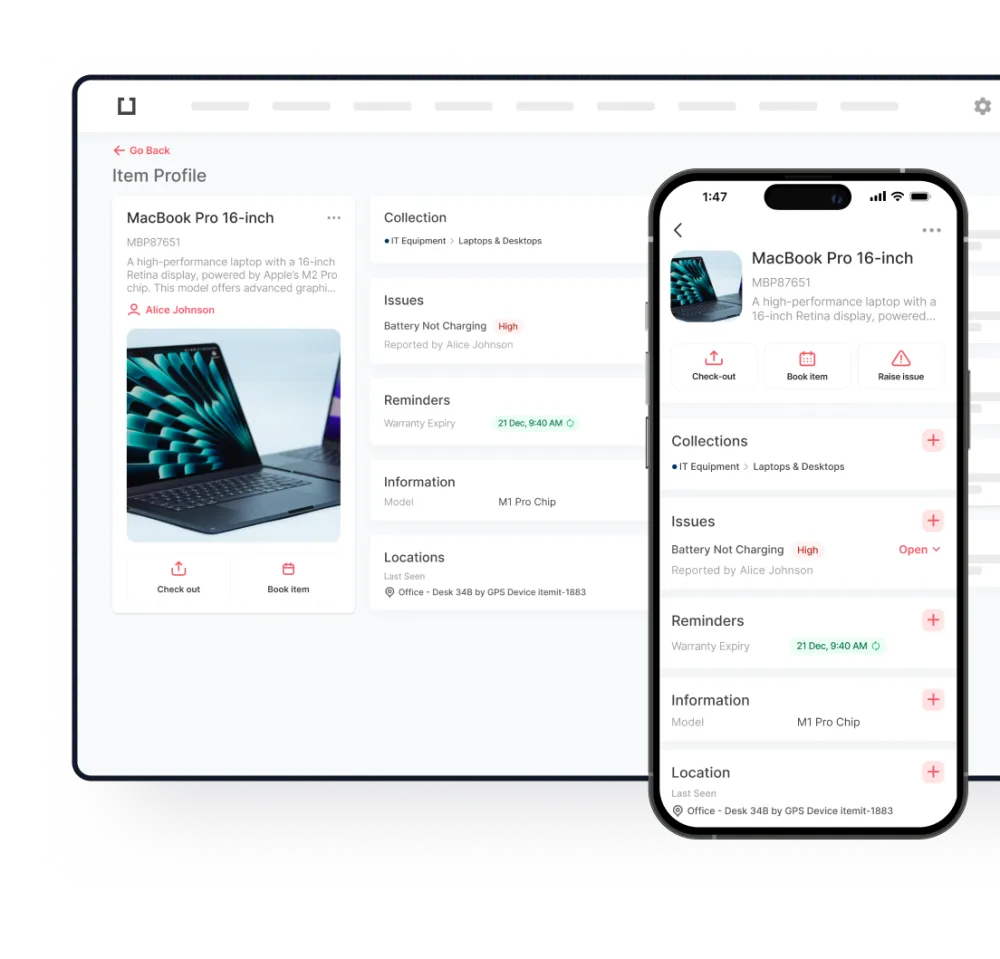
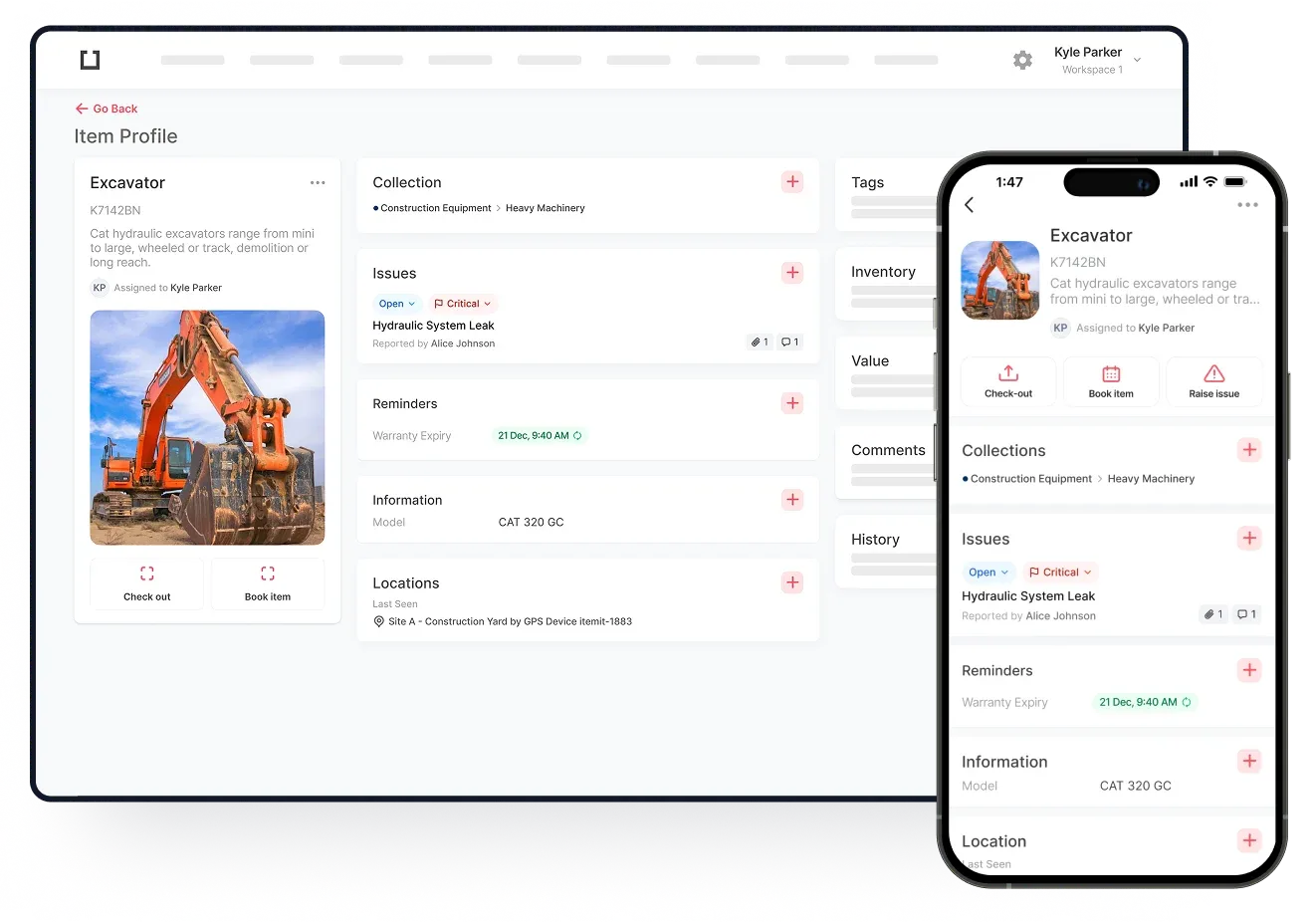
The life cycle of each asset can seem a little complicated. However, when the right hardware lifecycle management software is used, it can seem less so. Itemit’s IT hardware asset management software can ensure that assets are maintained throughout the lifecycle. Additionally, assets can potentially prove to be even more useful to businesses. This is because they can work more efficiently than ever before.
Common Hardware Asset Management Challenges
Businesses implementing the hardware asset management lifecycle often face challenges such as:
- Ghost assets – These are untracked or misplaced assets that somehow remain in the company’s financial accounts.
- Security risks – Assets that are not monitored may result in exposure of confidential information.
- Compliance concerns – Various industries have specific compliance regulations that demand proper asset management.
- High replacement costs – With no regular checks and balances in place and tracking controls, hardware gets replaced more often than what is necessary.
To deal with these challenges, businesses have to implement best practices, such as a hardware asset management audit checklist and using automated tracking solutions like asset tracking software for better visibility.
In addition, discover how Itemit`s asset tracking software can help businesses efficiently monitor, manage, and optimise their hardware assets with real-time tracking and automation.
The Benefits of Using Management Software
There are many benefits to using management software. Some of these benefits can be found below:
Helps to Prevent Loss
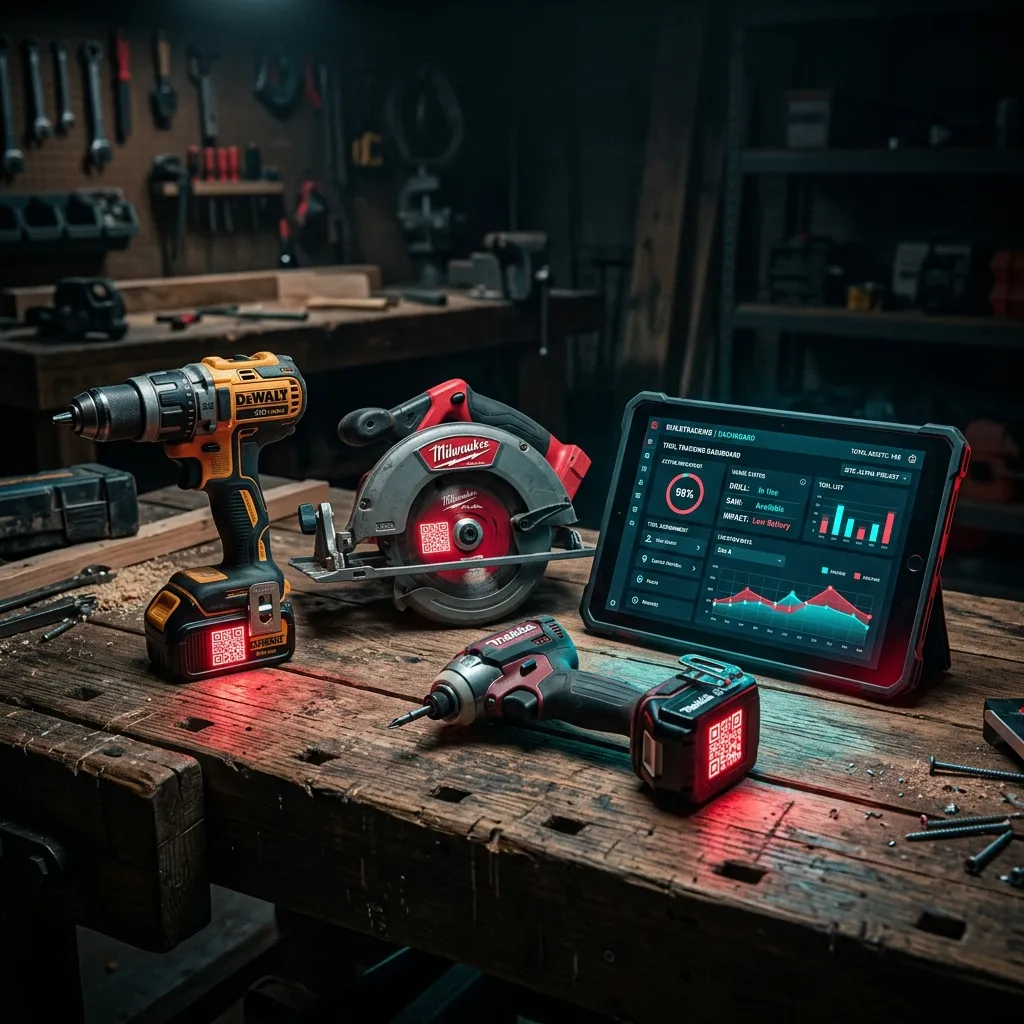
When QR Codes are added or assigned to each asset, they help to prevent loss. This is a result of all assets being tracked. Users of the management software can locate the hardware at all times.
Implementing trustworthy hardware lifecycle management software allows companies to monitor assets in real time, which minimises the chances of lost or stolen equipment. This kind of tracking is equally important for IT assets, where opportunities for security breaches may exist due to unattended hardware.
Additionally, there will be fewer ghost assets to deal with. Assets that are misplaced can be tracked to the last-known location. Assets that are damaged and have been set aside can be repaired or replaced. Not only does this mean that fewer assets are lost, but it means fewer assets need to be replaced.
Can Boost Productivity
When damaged assets are repaired or replaced, employees have more equipment to work with. As a result, productivity can be increased. More employees will have the tools they need to undertake their tasks. Deadlines are more likely to be met, and sales can increase. This is good news for any business.
Moreover, a clear hardware lifecycle management plan allows a company to think about the future. By watching how each asset is performing, organisations can foresee when maintenance will be needed and address it before outages occur, which results in higher workflow efficiency.
Optimises Usage
itemit’s hardware asset management tool helps to optimise usage. Assets can be checked in and out, and employees will automatically feel more responsible for them. In addition to this, upgrade and maintenance schedules can become more organised. This ensures that more assets will be working to the potential they were designed for.
Furthermore, by utilising IT hardware asset management software, businesses can track software compatibility, ensuring that business IT hardware runs optimally without any unnecessary slowdowns or system failures.
Offers Longevity
Using asset management software ensures that more assets have increased longevity. Management will have access to the asset’s purchase history, insurance and warranty details, current ownership, current user, etc. With this information, management can make better-informed decisions about maintaining, updating, and replacing assets. This in itself can increase each asset’s longevity.
Hence, integrating hardware lifecycle management software into company operations on a daily basis enables the organisation to monitor an asset's status, alert when it is time for an upgrade, and even strategically schedule replacements instead of merely responding to failures.
How the Right Software Can Reduce Costs
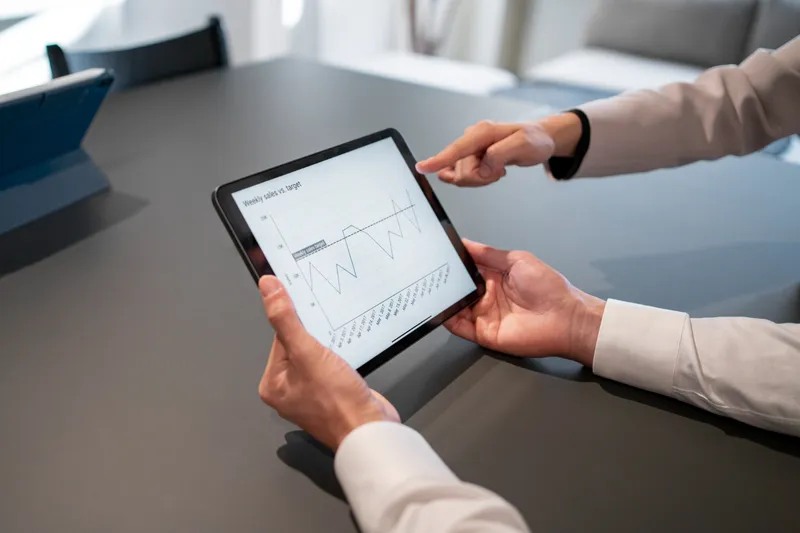
The right hardware asset management tool can help to reduce costs. When more assets are being used as they’re in a good state of repair costs can be reduced. There will be no need to replace quite as many assets as the current assets will be looked after. Setting up frequent maintenance and updating schedules ensures that costs are kept to a minimum. It also ensures that any potential issues can be found and rectified.
With an effective hardware asset management audit checklist, businesses can standardise asset tracking, reduce unnecessary purchases, and ensure compliance with company policies – ultimately strengthening their hardware asset management lifecycle for long-term success. This leads to better budget control and cost savings.
When maintenance costs are lowered and fewer assets need to be replaced, businesses can save money. As a result, the funds can be used in another department, used to buy more assets. Alternatively, funds can simply be put to one side until they’re required.