As the world evolves rapidly and technology continues to innovate, we see GPS becoming more and more frequently used. GPS is becoming a popular method for businesses to track their assets, so how is it used in asset tracking and what are the benefits?. This blog will tell you all about GPS Asset Tracking.
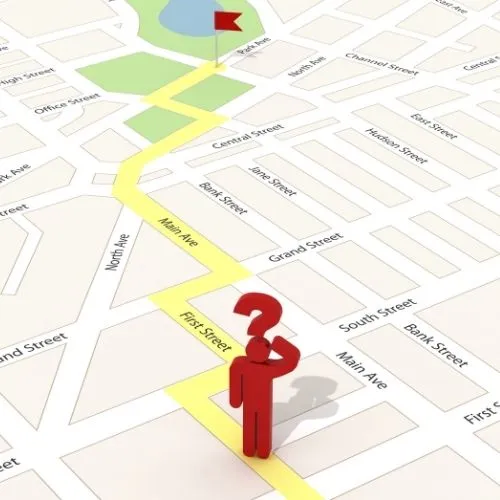
What is GPS Asset Tracking and How Does It Work?
GPS technology is commonly known by most through its purposes on mobile and smartwatches for mapping and location features. However, GPS can be used much further, including its use for asset tracking. So you must be wondering what the term ‘GPS Asset Tracking’ actually means?
GPS Asset Tracking is simply the use of a global positioning system to track assets by communicating with satellites. As long as an asset is fitted with a GPS tracker, its location can be found and its movement can be monitored.
This means assets can be located with their real-time location, which greatly improves asset visibility and reduces the chance of lost assets.
 Watch video
itemit's GPS Trackers
GPS trackers are portable devices that allow users to track and monitor their location. They can be easily attached to an asset, instantly giving clearer visibility as to where the asset is located, and any movement or journey it takes.
itemit's GPS Trackers are easy to use and come with a rechargeable battery, so there’s no need for them to be wired up constantly. They work best on larger sized assets due to their size being less discrete. Each tracker comes with its own sim and data plan which will run for a year, this is needed to allow the trackers to work and correctly link up with the GPS satellite system.
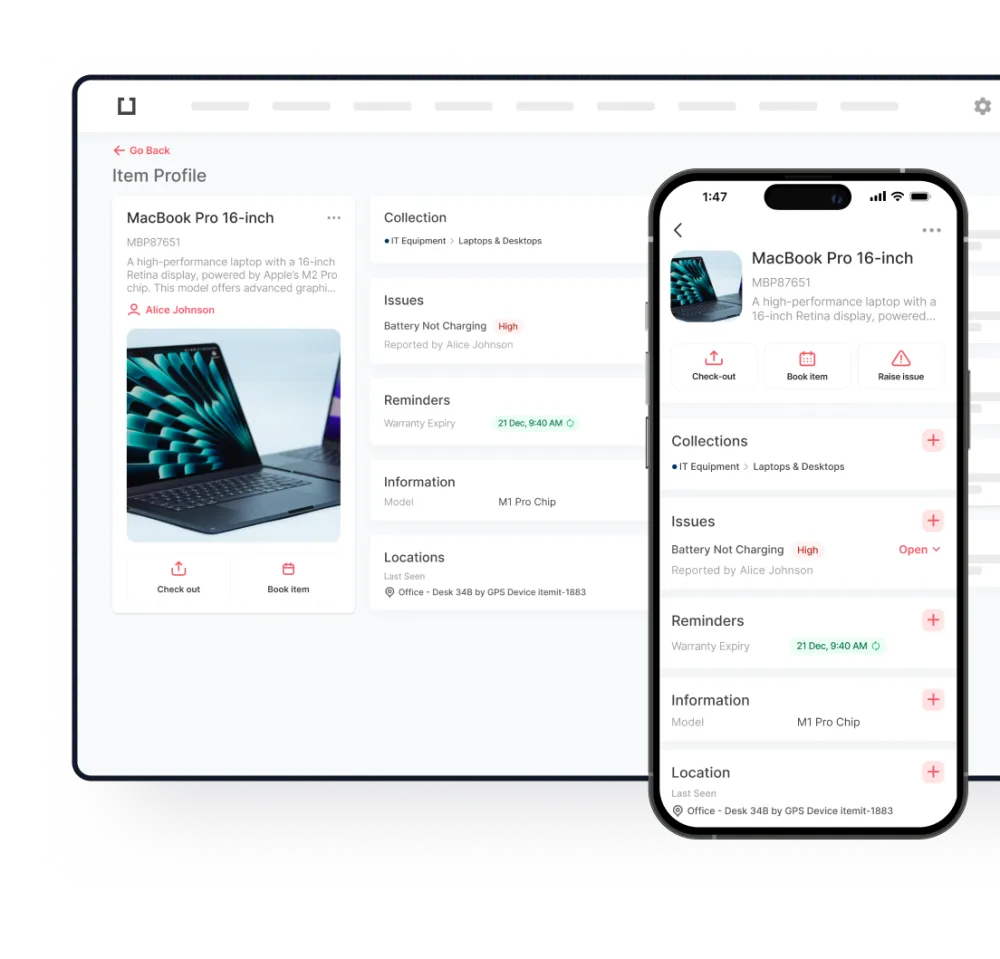
All data collected by the GPS device is sent into itemit. This means all collected GPS data can be viewed in your itemit workspace within your asset's profile.
You will be able to see a live location of the tracked asset and any movement it makes. This is similar to how our QR tags work, however with GPS you will not need to scan your assets each time to update the location. Instead, the location updates are in real-time.
The Best Assets To Track With GPS
The most commonly used purpose of GPS asset tracking is for fleet management. Due to the fact that vehicles are constantly on the move. However, you can use GPS further to track tools that move from site to site, or even equipment that may be used between different geographic campuses or locations.
GPS tracking devices are however sized quite large, so they would only suit an asset of a larger scale, for example, they wouldn’t be able to be attached to a hammer, but they could be attached to a tool kit.
itemit's QR tags do work with GPS but only upon being scanned, so whether your asset is often on the move or not will determine if you need GPS Trackers to give real-time tracking.