Book a demo and get 10% off your first plan

Benefits of Vendor Managed Inventory for Your Business

By itemit Team
Published on June 20, 20251 min read
Back to Blog

Inventory management remains a persistent operational challenge for scaling businesses. Holding excess stock needlessly ties up capital and monopolises warehouse space, while maintaining insufficient inventory guarantees costly stockouts and dissatisfied customers. Mastering this balance demands significant time and resources: effort better spent on core strategic initiatives.

Vendor Managed Inventory (VMI) resolves this specific commercial friction. Transferring stock management responsibilities directly to the suppliers who possess the deepest understanding of their own products enables your organisation to concentrate on growth while securing highly optimised stock levels.

What Is Vendor Managed Inventory?

Vendor Managed Inventory acts as a highly collaborative partnership where your supplier assumes full responsibility for maintaining your stock levels. Traditional procurement forces your internal teams to monitor supplies and manually raise purchase orders. Under a VMI system, the supplier proactively tracks your consumption and autonomously executes critical replenishment decisions.

The vendor-managed inventory model works by establishing minimum and maximum inventory thresholds based on your consumption patterns. Your supplier then monitors these levels (often through technology integration) and replenishes stock automatically when needed : without requiring purchase orders for each shipment.

Under this framework, your supplier gains secure access to live inventory data to action replenishments driven purely by actual consumption. Ownership of these goods typically transfers only upon delivery. Crucially, invoicing triggers post-delivery rather than at the point of order, establishing an incredibly streamlined and advantageous financial workflow.

This methodology marks a fundamental departure from rigid, legacy procurement models. Rather than operating in disconnected silos where data only flows one way, a VMI strategy builds an integrated supply network. Continuous, bidirectional information sharing between your teams and your suppliers guarantees unparalleled operational efficiency and commercial responsiveness.

Experience asset visibility

Core Benefits of Vendor Managed Inventory

Lower Operating Costs

Vendor Managed Inventory directly eliminates unnecessary overheads across your supply chain. Businesses consistently report administrative cost savings between 55% and 75% simply by removing the manual purchase order cycle. Achieving precision in stock handling actively frees up capital. Recent supply chain analytics show organisations experiencing between a 20% and 30% reduction in overall carrying costs.

Better space utilisation through vendor-managed inventory translates to decreased warehouse expenses. A mid-sized manufacturing company implementing VMI reported a 73% decrease in emergency shipments within six months, saving over $45,000 annually on premium freight alone.

The cost benefits of VMI include:

  • Reduced procurement administrative overhead
  • Lower inventory carrying costs
  • Decreased emergency shipping expenses
  • Minimised obsolescence write-offs
  • Improved cash flow through optimised inventory levels

For commercial operators, these compounded savings routinely amount to between 10% and 15% of total inventory management expenditures (a robust and immediate enhancement to your bottom line).

Minimised Stock Issues

Allowing an expert vendor to manage replenishment dramatically curtails availability issues. Companies adopting this strategy routinely observe stockouts decreasing by up to 80% whilst simultaneously slashing excess holdings. This newfound reliability securely underpins both broader operational stability and elevated customer satisfaction.

Consider a regional healthcare provider formerly plagued by severe supply shortages. After transitioning replenishment duties to key suppliers for a six-month period, consistent stock availability surged from 92% to 99.6%. This near-perfect availability effectively eliminated the dangerous clinical workarounds staff previously relied upon.

The consistent availability created by VMI proves particularly valuable for manufacturing operations, where even small component shortages can halt production lines, costing thousands per hour. Similarly, companies in the construction sector use VMI alongside construction equipment tracking to ensure both materials and equipment are available when needed at job sites. By transferring inventory responsibility to suppliers with better visibility into their supply chains, businesses gain reliability that directly impacts customer satisfaction and revenue protection.

Streamlined Processes

Implementing this framework transforms your procurement process from a convoluted, multi-stage chore into a highly streamlined oversight function. Instead of continuously chasing approvals, tracking shipments, and processing endless paperwork, your internal teams simply set agreed performance parameters. They subsequently receive automated replenishments and validate consolidated, predictable invoices.

The traditional procurement cycle typically involves:

  1. Monitoring inventory levels
  2. Creating purchase requisitions
  3. Obtaining approvals
  4. Issuing purchase orders
  5. Tracking deliveries
  6. Processing receipts
  7. Managing invoices

VMI strips away the bulk of these administrative hurdles, liberating your staff to execute high-value commercial activities whilst drastically reducing human error. Numerous businesses discover they can successfully reallocate between 15 and 20 hours per week of procurement staff time directly into strategic sourcing and deepening vital supplier relationships.

Enhanced Cash Flow

The cash flow benefits of an automated inventory system extend far beyond mere stock reduction. Because invoicing triggers only after goods physically arrive, your payment cycles align perfectly with actual operational usage. Combining this delayed payment structure with the lower capital demands of reduced holdings generates exceptional commercial flexibility.

These commercial partnerships routinely secure highly favourable payment terms because suppliers heavily value the guaranteed predictability of the arrangement. Eliminating premium rush shipping and unexpected production stoppages actively stabilises your cash reserves by eradicating the emergency costs that devastate corporate financial forecasts.

Strategic Advantages for Your Business

Beyond operational benefits, vendor-managed inventory delivers strategic value that can transform your competitive position.

Strengthened Supplier Partnerships

Entrusting your vendor with stock management forces the relationship to evolve from purely transactional to deeply strategic. Elite suppliers become inherently invested in your underlying success, generating collaborative benefits that extend significantly beyond warehouse borders.

This enhanced partnership status often guarantees you priority allocation during wider market shortages (a critical commercial advantage when global supply chains severely tighten). For example, a major electronics manufacturer credited their close supplier relationships for maintaining 100% production capacity during recent chip shortages, whilst their direct competitors suffered weeks of costly downtime.

Establishing these collaborative bonds provides suppliers with firsthand intelligence regarding your unique operations. This deeper insider perspective enables them to identify sweeping improvement opportunities entirely invisible to external consultants. Crucially, it grants your business first-refusal access to vital product innovations months before your competitors.

Partnership advantages of VMI include:

  • Priority allocation during supply constraints
  • Custom packaging or product configurations
  • Advanced notice of product changes
  • More favourable pricing structures
  • Joint problem-solving capabilities

Access to Specialised Expertise

Your suppliers understand the nuances of their products better than anyone else in the market. Through these partnerships, you acquire granular market intelligence regarding future product trends and scarcity warnings that are historically difficult to access. Suppliers analysing your specific usage patterns can successfully recommend bespoke optimisation strategies heavily informed by data aggregated from their entire customer base.

Strategic knowledge transfer frequently proves just as commercially valuable as the core operational benefits. A major food processing firm utilising supplier management for packaging materials received unsolicited technical recommendations from their vendor. This expert advice safely reduced their total material usage by 14% without compromising product integrity (a massive efficiency gain they never expected when launching the programme).

Harnessing direct supplier expertise reliably leads to sophisticated process improvements, vital product standardisation opportunities, and smart application optimisations that deploy cascading financial benefits throughout your entire organisation.

Competitive Differentiation

Whilst competitors continue struggling with archaic inventory challenges, your agile supply chain advantages allow you to react instantaneously to market fluctuations and maintain immaculate service levels. This rapid responsiveness cements a definitive competitive edge, particularly across tight industries where product availability dictates strict customer purchasing decisions.

By deliberately freeing internal resources from repetitive inventory admin, your teams can focus ruthlessly on core competencies and primary strategic initiatives. You gain the ability to scale your operations rapidly without proportional bloat in your stock levels. Prioritising commercial differentiation rather than basic commodity functions explicitly separates true market leaders from average followers.

Risk Mitigation

Deploying a vendor-led approach systematically reduces corporate risk by aggressively decreasing stock obsolescence and isolating your liability exposure. Suppliers managing these stocks actively take structural responsibility for ongoing product lifecycles, largely eliminating the risk of writing off completely outdated components. Thinner inventory levels inherently demand lower insurance premiums and place substantially less operational capital at risk.

Embedded partnerships automatically unlock preferential corporate treatment during sudden supply blocks. Premium suppliers consistently place their most integrated customers at the absolute front of the queue when critical materials grow scarce, securely ring-fencing your operations whilst competitors absorb devastating disruptions.

Key risk reduction factors include:

  • Decreased obsolescence through better lifecycle management
  • Lower insurance and carrying costs from reduced inventory
  • Priority allocation during supply constraints
  • Greater supply chain visibility and early warning of disruptions
  • Flexibility to adjust quickly to changing market conditions

VMI Implementation Considerations

A successful integration demands meticulous planning and transparent expectations. The bedrock of any highly effective supplier programme relies on several pivotal elements you must firmly address long before the official launch.

Technology Foundation

An effective deployment thoroughly depends on elite technology integration that guarantees flawless inventory visibility. Suppliers require either real-time or near-real-time access to accurate stock levels. This mandatory visibility necessitates establishing ironclad data exchange protocols specifically designed to continuously share live consumption data alongside future commercial forecasts.

The most lucrative implementations feature powerful automation capabilities leveraging systems built to instantly generate smart alerts and precise replenishment signals without requiring any human intervention. Advanced performance tracking tools complete this technical architecture, supplying your management teams with intuitive dashboards to monitor strict KPIs and evaluate ongoing programme success.

Experience asset visibility

The technology requirements include four essential components:

  1. Inventory visibility tools : Systems tracking stock levels and consumption
  2. Data exchange platforms : Methods for securely sharing information with suppliers
  3. Automation systems : Technologies triggering replenishment without manual intervention

Analytics capabilities : Tools measuring performance and identifying improvement opportunities

Communication Framework

Clear communication prevents misunderstandings in any vendor-managed inventory program. Start by developing service level agreements that document expectations for fill rates, delivery times, and inventory turns. Establish a regular review cadence with scheduled assessments of performance metrics.

Exception handling protocols define processes for addressing unusual situations like demand spikes or supply disruptions. Clear escalation paths ensure everyone knows who to contact for resolving issues quickly when problems arise.

The most successful VMI programs include regular performance reviews that examine trends rather than individual incidents. These reviews create opportunities for continuous improvement while maintaining focus on the strategic partnership rather than transaction-level details.

Performance Metrics and Responsibilities

You can't improve what you don't measure. Critical VMI metrics include inventory turns, fill rates, stock availability percentage, and emergency order frequency. Tracking these metrics, along with carrying costs and order processing costs, provides visibility into program performance and improvement opportunities.

Under VMI, the vendor is responsible for monitoring inventory levels, determining replenishment timing and quantities, maintaining agreed service levels, and providing performance reports. You remain responsible for setting overall inventory parameters, providing accurate consumption data, communicating forecast changes, and evaluating program performance.

This clear delineation of responsibilities creates accountability while allowing each party to focus on what they do best. The supplier manages the details of inventory replenishment, while you maintain strategic control of the program parameters and direction.

How To Choose The Right Inventory Vendor

Experience asset visibility

Not all suppliers make good VMI partners. Look for partners with supply chain maturity demonstrated through forecasting capabilities, strong logistics performance, and technology infrastructure for inventory management. Experience with VMI programs is particularly valuable, as it indicates familiarity with the unique challenges of managing someone else's inventory.

When selecting VMI partners, evaluate them based on:

Supply Chain Capabilities

  • Proven forecasting accuracy
  • Effective inventory management systems
  • Reliable logistics performance
  • Previous VMI program experience

Relationship Qualities

  • Open communication practices
  • Business culture compatibility
  • Long-term partnership focus
  • Financial health and stability

Relationship factors matter tremendously in successful vendor-managed inventory. Trust and transparency form the foundation, while compatible business cultures ensure smooth collaboration. Long-term relationship orientation indicates commitment to mutual success, and financial stability prevents disruptions due to supplier difficulties.

Technical capabilities determine how smoothly the implementation will proceed. Systems compatibility with your platforms, robust data security protocols, and reporting flexibility facilitate effective information sharing. A commitment to continuous improvement processes ensures the relationship evolves as your needs change.

The right inventory vendor demonstrates service orientation through responsive problem resolution and proactive communication. Adaptability to changing requirements prevents rigidity that could undermine program benefits, while investment in relationship management indicates a long-term partnership commitment.

Getting Started With VMI

Program Design

Many businesses ask how to optimise product inventory management when beginning their VMI journey. The answer lies in a strategic approach: start with accurate baseline inventory data, establish clear performance metrics that align with business goals, focus initially on high-value stable-demand items, conduct regular program reviews with suppliers, and leverage technology for real-time visibility.

Begin by identifying appropriate product categories for VMI. The best candidates typically include:

  • Items with relatively stable demand patterns
  • Products from suppliers with whom you have strong relationships
  • Categories where availability is critical to your operation
  • Items with significant storage requirements or carrying costs

Establish clear inventory targets and service levels that balance your operational needs with reasonable supplier expectations. Design communication protocols that specify frequency, format, and content of information exchanges. Finally, develop performance metrics that measure both process execution and business outcomes.

Partner Selection and Pilot Implementation

Select partners based on product importance to your operations, supplier capability assessment, relationship history, and technology compatibility. Start with a pilot implementation covering a limited product range in a single location if possible. Define clear success metrics and an evaluation period so everyone understands what constitutes success.

The pilot phase provides valuable learning opportunities while limiting risk. Many companies discover unforeseen challenges during pilots that can be addressed before broader rollout. These might include data accuracy issues, internal resistance, forecast variability challenges, or trust barriers that must be overcome.

Technology Integration and Full Deployment

Focus on technology integration by establishing data sharing protocols, implementing inventory visibility tools, and creating performance dashboards. These technical foundations support the information flow critical to VMI success.

Once your pilot succeeds, scale through full deployment by adding products incrementally, expanding to additional locations, refining processes based on learnings, and building on successful relationships. This measured expansion allows you to maintain control while steadily increasing benefits.

Throughout implementation, anticipate common challenges. Data accuracy issues can undermine VMI effectiveness, so invest in inventory counting accuracy and system integration before launching. Internal resistance often surfaces during implementation; address it by educating staff on benefits and involving them in program design.

How itemit Asset Tracking Solution Supports VMI

Experience asset visibility

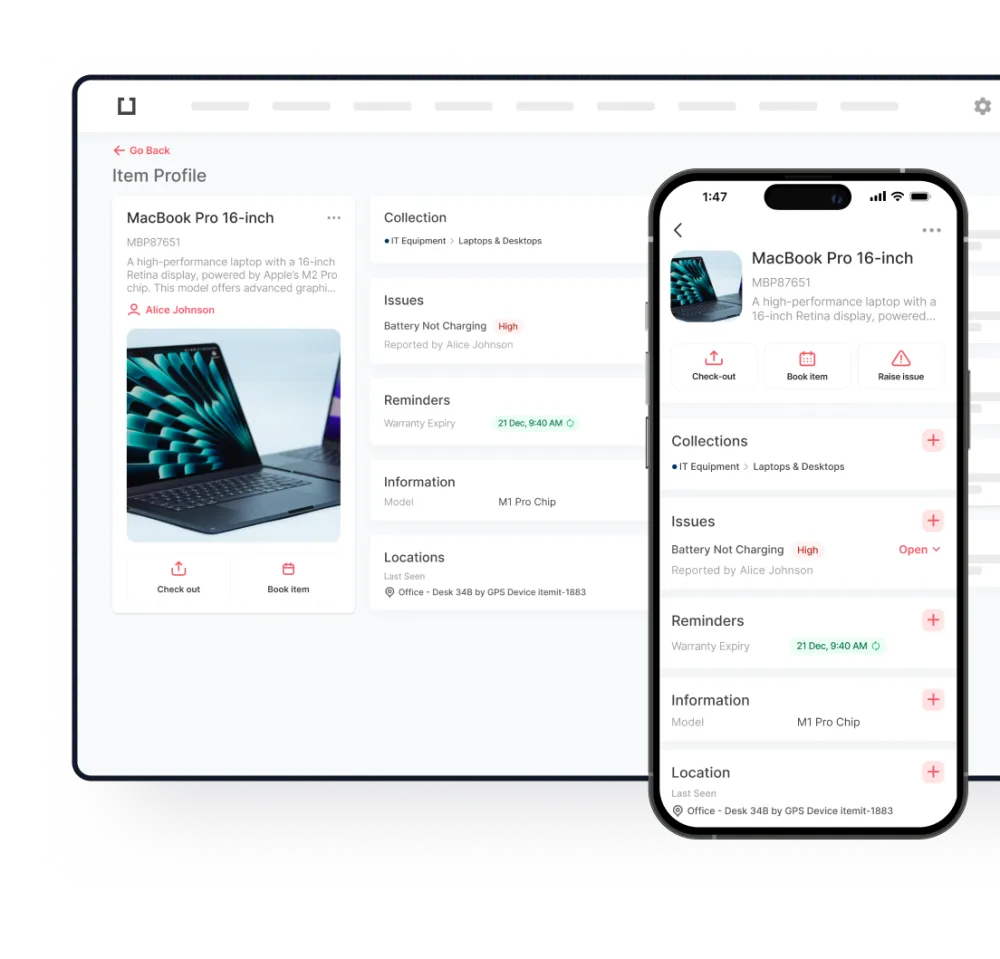
itemit's asset tracking platform provides the technological foundation needed for successful vendor-managed inventory implementation.

Our RFID and barcode scanning capabilities deliver accurate, up-to-the-minute inventory data that forms the backbone of effective VMI programs. Suppliers can access this information through secure portals, eliminating guesswork from replenishment decisions.

The platform automatically generates notifications when inventory approaches reorder points, ensuring your inventory vendor can respond promptly to replenishment needs without constant monitoring. Our built-in analytics tools help identify consumption patterns, allowing continuous refinement of your vendor-managed inventory parameters for maximum efficiency.

itemit connects with your existing ERP and your suppliers' systems, creating the unified data environment necessary for VMI supply chain success. For businesses operating across multiple sites, our solution provides consolidated visibility while maintaining location-specific inventory parameters: perfect for complex vendor-managed inventory implementations.

The itemit difference for VMI programs includes:

  • Real-time inventory tracking through advanced RFID technology and asset tags
  • Customisable alerts and notifications for inventory thresholds
  • Secure supplier access portals with role-based permissions
  • Comprehensive analytics for consumption pattern identification
  • Multi-location capabilities with centralised management
  • Integration with existing business systems

Take Control of Your Inventory Management Today

Stop letting inventory management consume your valuable resources. With the right vendor-managed inventory partnerships and technology, your inventory can shift from a liability to a competitive edge that drives business growth.

The itemit asset tracking solution provides the visibility, automation, and analytics needed to make VMI work seamlessly for your business. Our platform bridges the gap between you and your suppliers, creating the foundation for successful inventory optimisation.

Why waste precious time and resources juggling inventory concerns? Contact itemit today and discover how our asset tracking solution powers successful vendor-managed inventory programs while freeing you to focus on what truly grows your business.

Frequently Asked Questions

How does vendor-managed inventory differ from consignment inventory?

In vendor-managed inventory, ownership typically transfers to you upon delivery, and you pay for goods after receipt. With consignment, the supplier retains ownership until you use or sell the items. VMI focuses on who manages inventory decisions, while consignment addresses who owns the inventory.

What types of products work best with VMI?

Products with relatively stable demand, significant storage requirements, or critical operational importance typically yield the best vendor-managed inventory results. Components used in manufacturing, maintenance supplies, and regularly consumed retail goods are common candidates.

How much inventory reduction can we expect?

Most businesses implementing vendor-managed inventory experience 20-35% inventory reductions while maintaining or improving service levels. Results vary based on current inefficiencies and implementation quality.

Will VMI mean losing control of our inventory?

No. With proper implementation, you retain control of inventory parameters while delegating routine replenishment decisions. Your inventory vendor operates within boundaries you establish, and performance metrics ensure accountability.

How long does VMI implementation typically take?

For most businesses, moving from initial planning to a fully operational vendor-managed inventory takes 3-6 months for the first supplier relationship. Once the foundation is established, additional suppliers can be onboarded more quickly.

Choose a better way to track your assets.

Start your trial. 14 days. No risk. No credit card.

itemit Asset Tracking Assets

Don't just track it. itemit.

Start your trial. 14 days. No risk. No credit card.

Assets tracked using itemit