Fixed asset tracking operations help your business save time and money. All business need to keep a close eye on their fixed assets. Without a certain level of clarity, you run risks of losing accountability and losing money where it could otherwise be saved.
Most businesses are using spreadsheets for their fixed asset tracking operations. However, the use of spreadsheets creates gaps as they require a lot of manual input. For example, if you're onsite and notice one of your assets has undergone a change, you'll most likely need to log this on your spreadsheet later on, as opposed to when you're physically with the asset.
Fixed asset tracking software allows you to use cloud-based technology to log and monitor any changes assets undergo when you're onsite, saving you time and money in the process.

What Are Fixed Assets?
Your fixed assets are assets that you don't sell or use as stock. As such, they're permanent fixtures in your business. They can either directly or indirectly create revenue in this case, just not through the process of selling the assets.
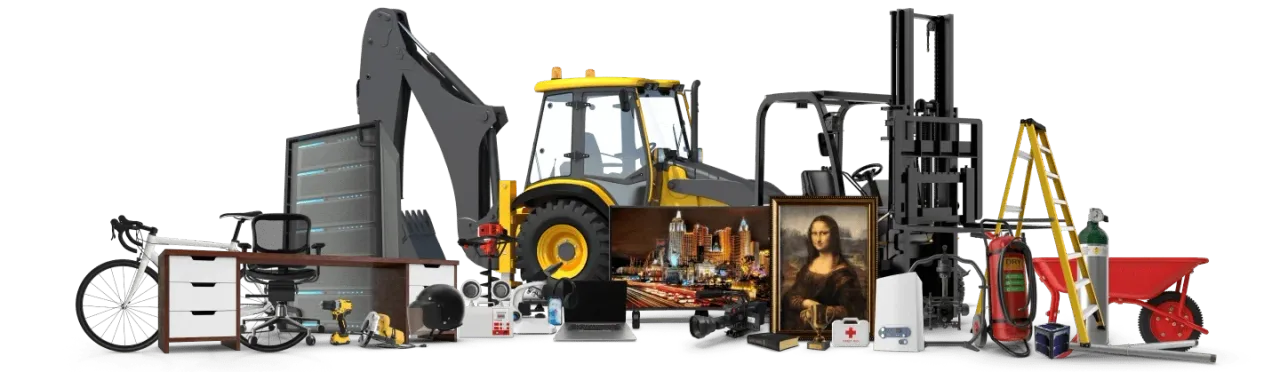
So, for example, your fixed assets can be furniture, they can be IT assets, such as laptops or phones, and they can even be buildings.
Most fixed assets can be logged as a business expense, too, meaning that you'll be able to offset your tax repayments by logging these accurately.
What Is Fixed Asset Tracking?
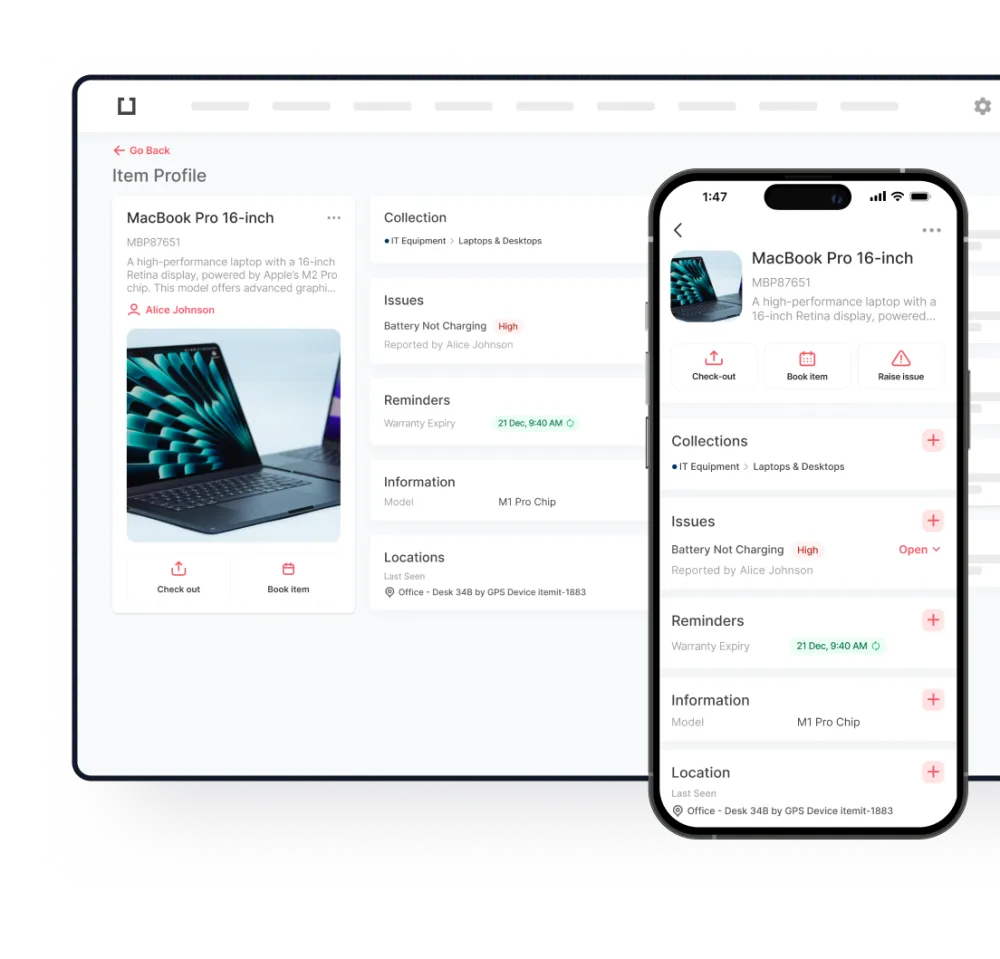
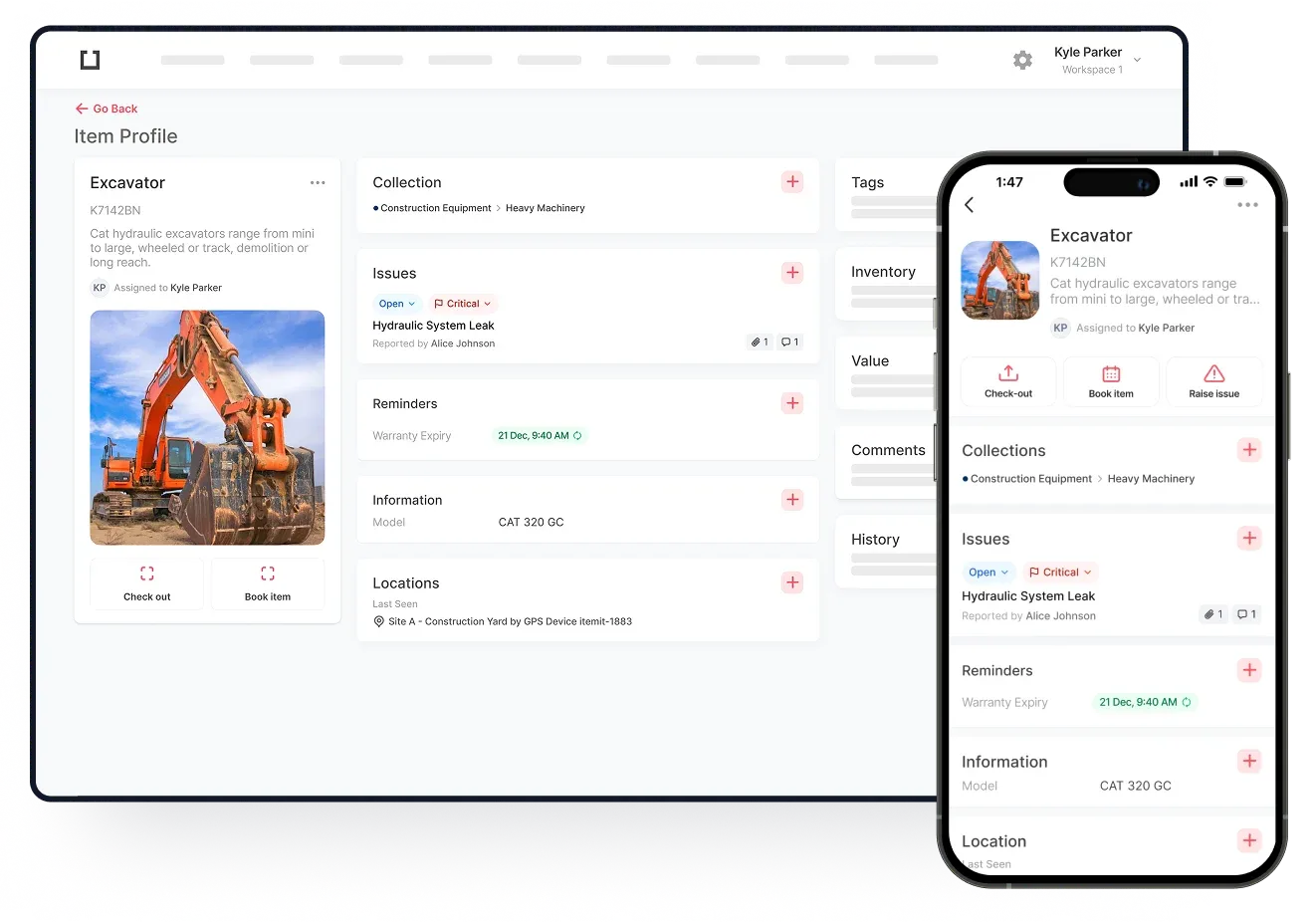
Fixed asset tracking is the process of logging your fixed assets onto a register. Each asset has a unique profile on fixed asset tracking software, where you'll also be able to add serial information and tag the asset.
Crucially, you must log all of the fixed assets you need to report on onto your fixed asset register. There are a range of helpful features that you can use after this, but the fundamental idea is to have a record of what you own and what you're using for a greater level of transparency over your asset list.
So, when you're using fixed asset tracking software, you must have the fundamental information logged, then you'll be able to use more helpful features tailored towards your requirements.
Once your assets have been logged, you'll also be able to run exportable reports on them for tax and insurance purposes.
Using Fixed Asset Tags
To improve your fixed asset management, you'll be able to use fixed asset tags. Fixed asset tags speed up asset discovery, as once your tools and equipment have been tagged, you simply have to scan the tag to find the corresponding asset in your software.
Every time you scan an asset's tag, too, the last seen location will update as well as the user who scanned the tag and when the scan occurred. This gives you a full view of each asset interaction, allowing you to pinpoint where and when any changes were logged, such as asset damage.
 Watch video
Asset tags also allow you to speed up a few common fixed asset management operations. For example, if you wish to run an audit to verify that all of your assets are in the correct location, you can use these tags to speed this along.
Overall, fixed asset tags lend you more accountability over your fixed asset tracking operations, but they also save you a lot of time and, therefore, money.