A well-organised inventory tracking system guarantees companies stay in the proper balance, eliminating stockouts that stop production and avoiding too high storage expenses. Understanding the many kinds of inventory helps businesses better classify their assets, which enhances decision-making and helps to save costs.
From retail warehouses to manufacturing plants, companies depend on Inventory management types to maximise storage, cut waste, and simplify supply chains. Accurate tracking of inventory categories helps companies to have a real-time understanding of stock levels, movement, and general asset value—all important components for increasing profitability and efficiency.
Understanding Inventory: Definition and Classification
Inventory is the assortment of items, supplies, and goods a company owns for operational needs, sales, or manufacturing. This vital tool directly affects cash flow, production productivity, and customer happiness. For small businesses seeking efficiency, an inventory management system for small business has become essential for maintaining business continuity and profitability, whether handling completed goods ready for delivery or raw materials for manufacture.Classification of Inventory
Inventory is categorised according to financial treatment, use, and intent. Every type of inventory fits at different phases of the supply chain, which influences companies' asset tracking and management.1. Classification by Purpose and Use
- Raw materials are the fundamental components applied in manufacturing. For instance, flour is used in baking, and steel is utilised in the manufacturing of cars. By means of efficient tracking of raw materials, companies can lower waste and prevent manufacturing interruptions.
- Items in the Work-in-Progress (WIP) Inventory – that is, those half-finished and still under production—are included. Maintaining accurate cost estimates and guaranteeing seamless workflow depends on the exact tracking of WIP inventories.
- Finished goods are those that are completely produced and ready for market. Retailers and wholesalers have to effectively control this product inventory to satisfy client demand and avoid overstocking.
Items like tools, office supplies, and spare parts are absolutely vital for company operations MRO Inventory—Maintenance, Repair, and Operations). MRO inventory is essential for keeping seamless operations even though it is not sold to consumers.
2. Classification by Financial Accounting
- Merchandise Inventory: Found in retail and online, merchandise inventory is items bought for resale. Correct financial reporting in accounting depends on the accurate classification of various forms of inventories.
- Consignment Inventory: Products kept on a retailer's premises but owned by a supplier until sold are known as consignment inventory. Consignment model users of businesses must have strong tracking systems to handle sales records and ownership.
- Obsolete or Excess Inventory: Slow-moving stock that is no longer in demand. Businesses have to pay great attention to this category to prevent unsold products from causing financial losses.
Knowing the type of inventory helps companies to apply improved financial control and asset tracking techniques. Correct classification enhances supply chain effectiveness, helps to maximise storage capacity, and prevents stock variances.

Different Types of Inventory
Every company handling tangible products controls some kind of inventory. Though there are other ways to categorise inventory, most businesses deal with four primary kinds: Raw Materials, Work-In-Process (WIP), Finished Goods, Maintenance, Repair, and Overhaul (MRO) Inventory. Every category contributes differently to operations and calls for particular tracking strategies to maximise effectiveness and lower waste.Raw Materials Inventory
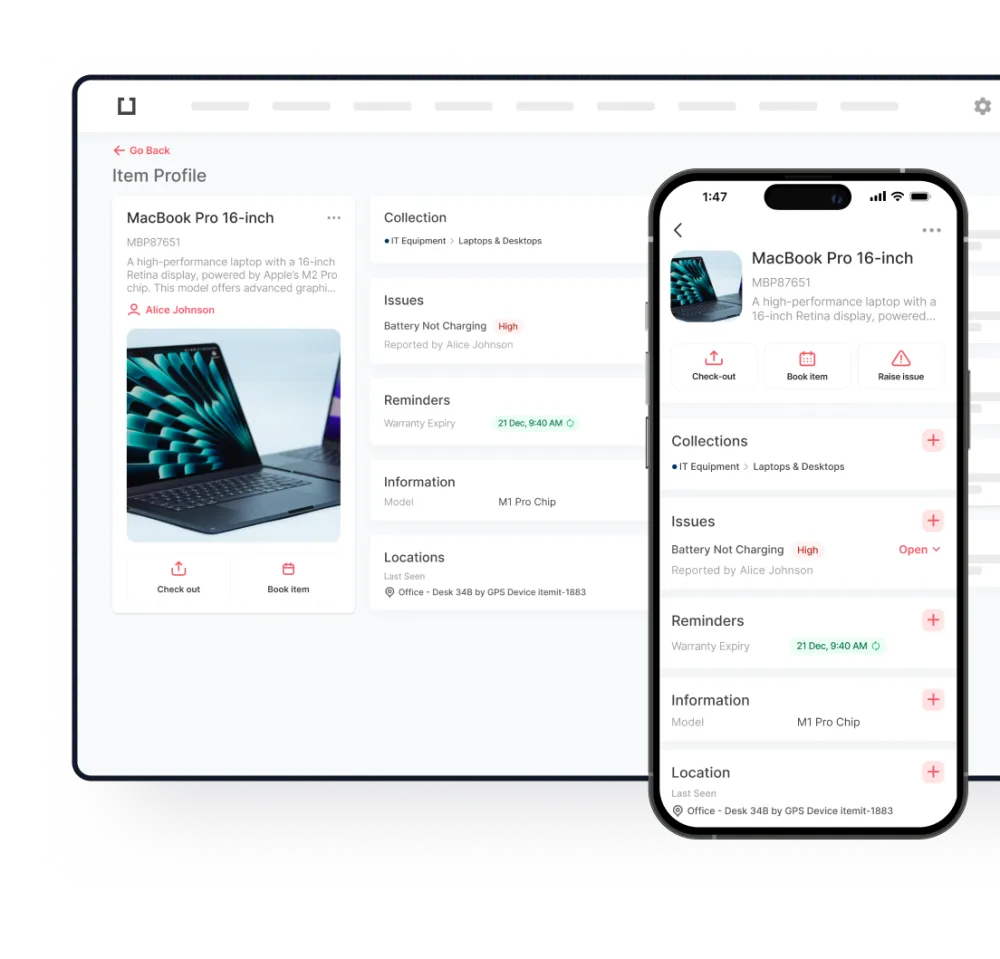
The basic components utilised to create completed commodities are raw materials. Through effective inventory management solutions like the itemit app, companies can track both direct materials—like wood used in furniture manufacture—and indirect materials—like lubricants used in machinery. Companies have to closely control their inventory of raw materials to prevent shortages that can cause production to be disrupted or too much hoarding to tie down funds.For instance, a clothes company depends on thread, zippers, and fabric in its product inventory. Modern inventory management tools ensure precise tracking of raw materials, guaranteeing flawless cost control and manufacturing scheduling.
Work-In-Process (WIP) Inventory
Items partially finished but not yet available for sale are known as work-in-process (WIP) inventory. This can be covered through manufacturing custom-built furniture or commodities at several phases of assembly in a facility.Maintaining correct cost estimations depends on proper WIP inventory management. Businesses need good tracking since materials, labor, and overhead expenses build up during production to avoid bottlenecks and keep financial transparency. In sectors including automotive, aerospace, and electronics manufacturing, WIP is a vital inventory category.
Finished Goods Inventory
Products enter the finished goods inventory phase once manufacturing ends. Whether direct, wholesale, or retail, these items are ready for sale to consumers. Meeting demand without overproducing depends on businesses tracking completed goods inventory. While understocking may cause lost sales possibilities, overstocking might result in higher storage costs. Retailers, for instance, depend on real-time tracking to guarantee that the correct amounts of various goods are always on hand.
Maintenance, Repair, and Overhaul (MRO) Inventory
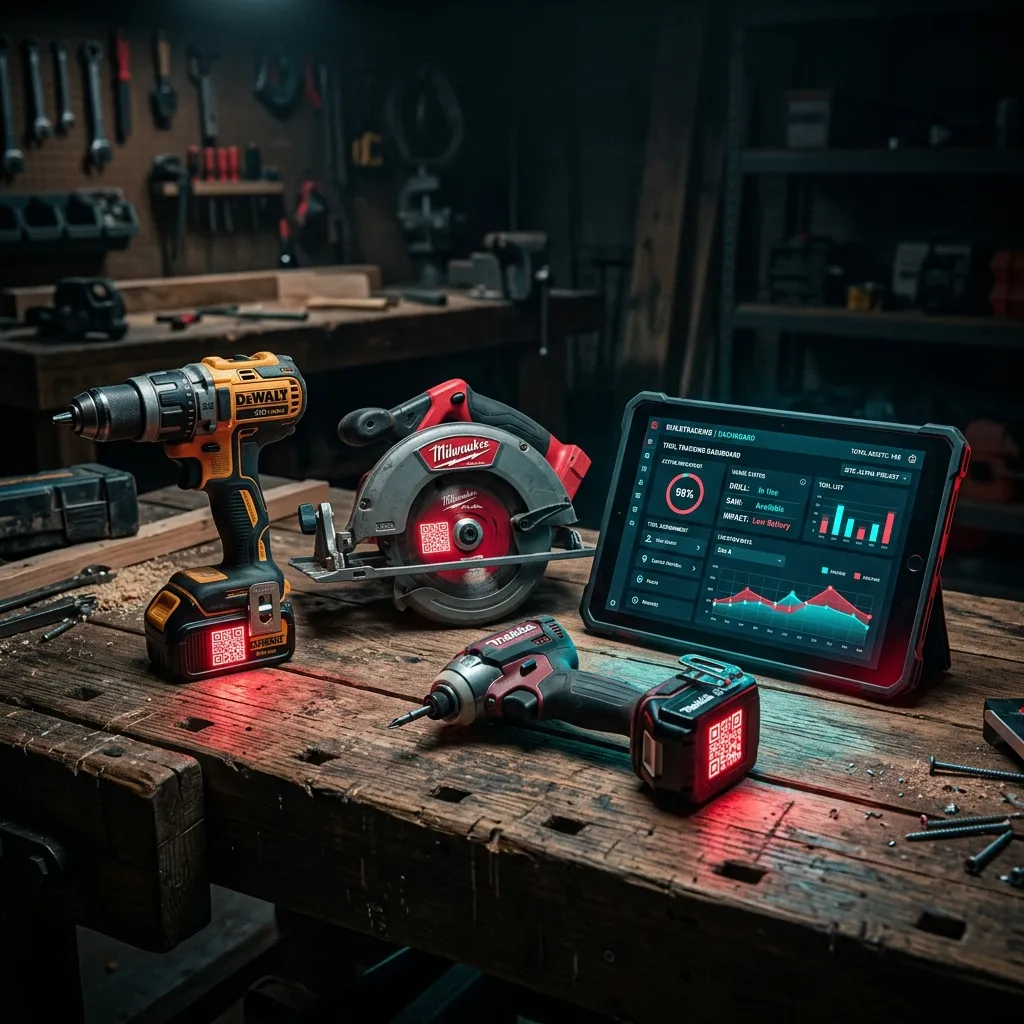
MRO inventory is different from other inventory kinds that bring income since it contains necessary items that keep functioning smoothly. This covers tools needed for machine maintenance and repairs, cleaning supplies, safety gear, and spare components.MRO items are essential for business continuity even when they have little direct bearing on sales. For example, a manufacturing facility has to keep an inventory of spare parts to prevent expensive downtime should equipment break down. Businesses run the danger of delays and inefficiency without good tracking.
Understanding these 4 types of inventory helps companies to apply more successful asset-tracking systems. Accurate stock classification and inventory flow optimisation help businesses lower costs, increase effectiveness and enhance their supply chains.