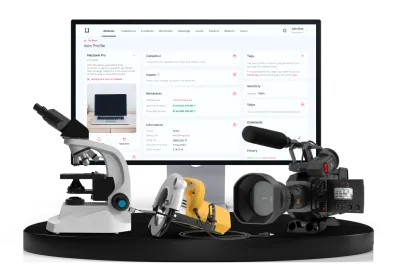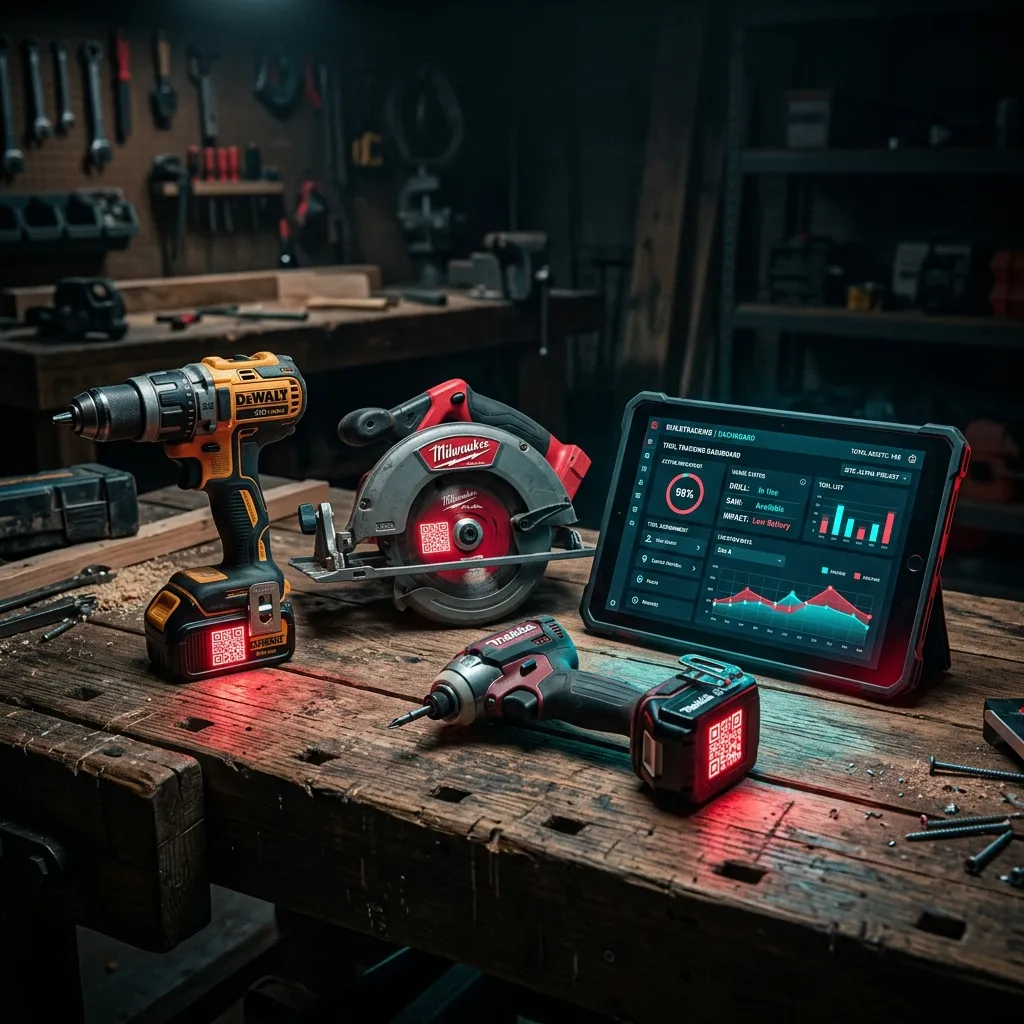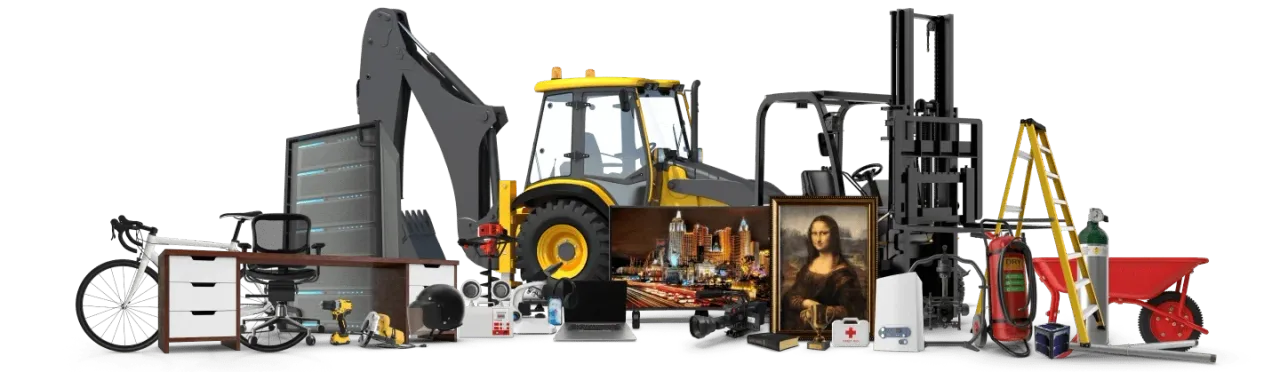
One of the biggest benefits of asset tracking is that you can manage any asset. Nothing is too big or too small for your asset tracking software, you'll be able to log it and start tracking it. However, this can present a problem. What if your asset requires a custom asset tag?
Vinyl stickers aren't always suitable for asset tracking. For example, if you're tracking materials, heavy-duty equipment, or high-value collections.
Luckily, itemit doesn't have a limit on how many asset tags you can add, and you can also use custom tags with our asset management software.
How Asset Management Works
Asset management is the discipline of adding assets to your asset tracking system and then adding data to them.
This data can be anything, from depreciation information to asset booking data, to collections and location information.
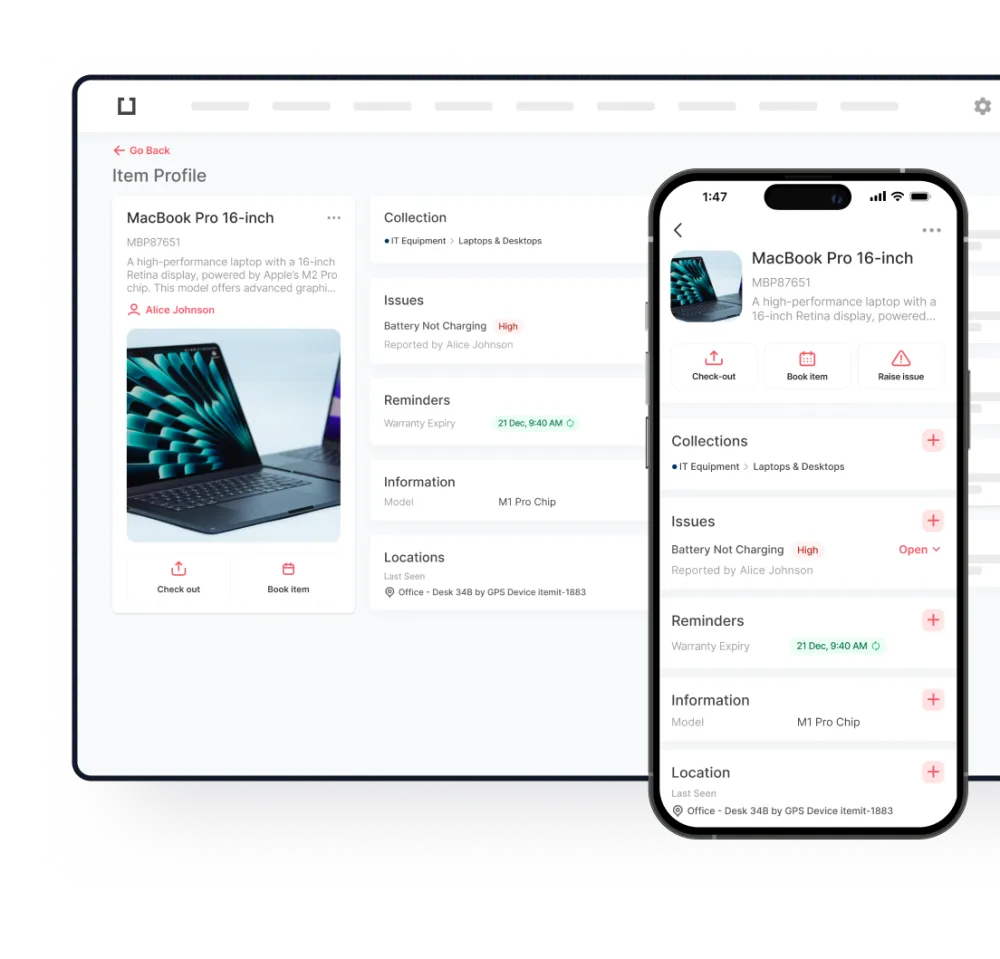
Each of your assets have a unique profile, meaning that the data you add is specific to them. This way, if an IT asset, such as one of your laptops, requires maintenance, you'll be able to add a ticket against this specific asset.
This way, you'll be able to manage specific asset data and view it in an instant. All of this information then makes up your fixed asset register, which you'll be able to export for financial and insurance purposes.
Using Asset Tags
Where do asset tags come in? Asset tags allow you to have last seen location functionality, as well as giving you the ability to speed up a lot of your asset related operations.
All you need to do is attach an asset tag to your equipment, then link it to the individual profile in your asset management software. Then, every time you scan an asset's tag, the last seen location will update, the user who scanned the tag will be logged, and the asset's profile will open.
In practice, this means that you'll be able to log maintenance by scanning an asset's tag on a faulty asset and pressing a button. This is helpful across all industries, including for construction equipment tracking, healthcare asset management, and IT asset management.