Asset tracking software is critical for your business. Without asset tracking software, you run the risk of losing assets, purchasing duplicates and permanent asset damage.
With asset tracking software, however, you get:
- More visibility over your asset register
- More control over your assets
- Fewer lost assets
- Fewer duplicate purchases
- And more!
But how do you choose the best asset tracking software for your business?
Return On Investment
First and foremost, you'll want to know the value you're getting out of your asset tracking software. If your software isn't saving you time and money then there's no point in using it.
Asset tracking software is complicated, however, as there are a lot of places it provides you with a return. It's difficult to put your returns in monetary terms as there are different types of improvement.
For example, asset tracking will save you money by preventing asset losses and duplicate purchases. The amount this saves you depends on the cost of the assets you're tracking.
Asset tracking also saves you a lot of time, therefore giving you more resources, which means you may make sales or close deals you wouldn't otherwise, contributing to your return on investment.
So, to choose the right one for your business, you need to consider which will prevent the most losses and save you the most time.
Asset Tracking Features
One way you can assess time-saving benefits is by looking at an asset tracking system's features. For example, if an asset tracking system has a complex user interface, this will complicate your asset tracking operations.
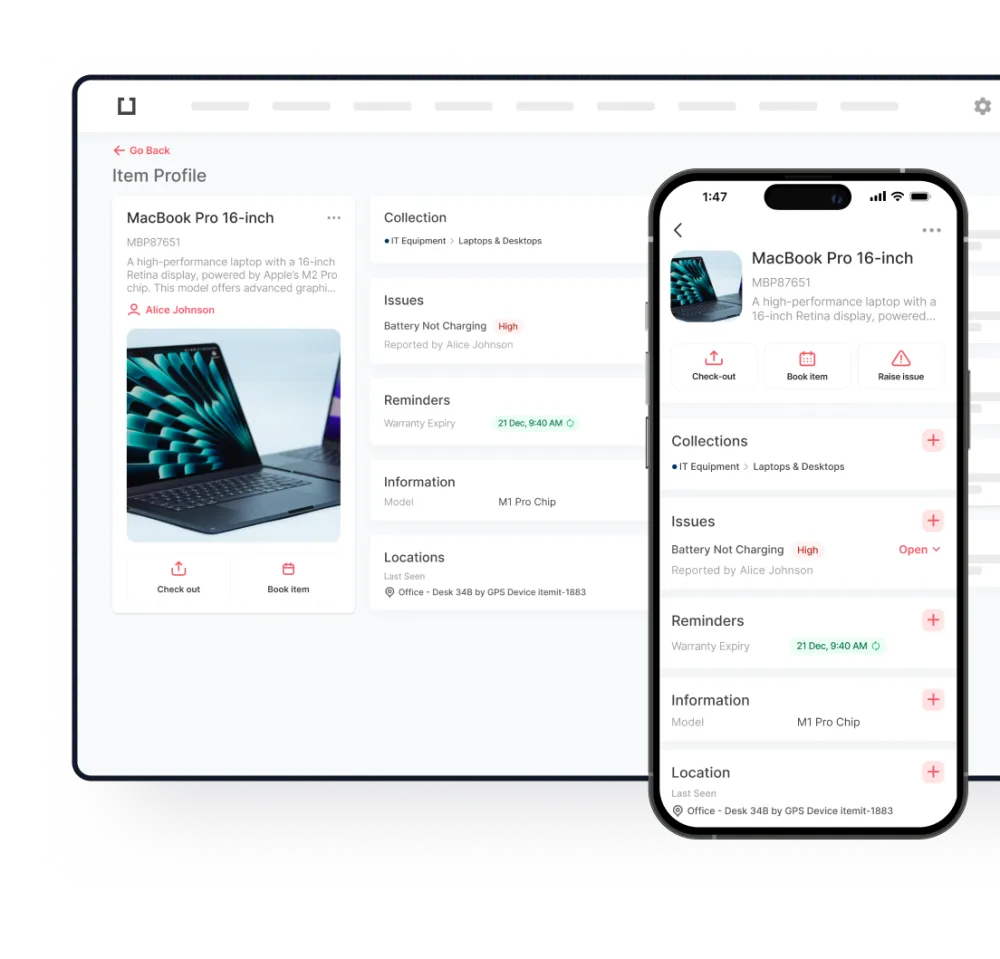
The best asset tracking software uses asset tags to speed up your operations. These tags are physical tags that you stick onto your assets and link up with digital asset profiles.
Then, you can add critical asset data to these profiles, such as asset costs, maintenance data and history, and information such as manufacturer, make & model.
Asset tags automate location tracking operations as every time you scan an asset's tag, the last seen location updates automatically. The asset's profile will also open up, ready for updates.