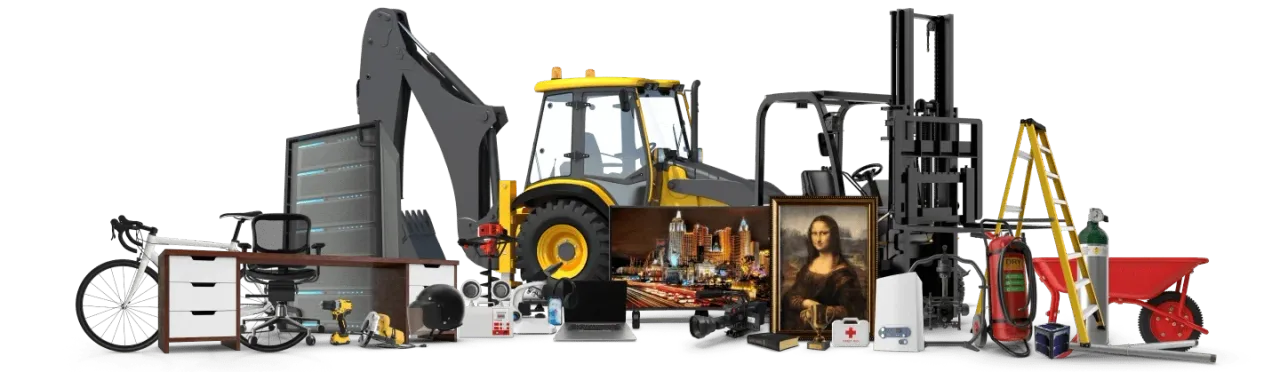
Asset tags: A Complete Guide

By itemit Team
Published on April 9, 202612 min read
Back to Blog

In modern operations, knowing exactly where your equipment is located is not just a pleasant luxury. It is an absolute necessity. However, too many businesses rely on outdated tracking methods, leading directly to misplaced items, wasted budget, and endless frustration. The most effective way to eliminate these frustrating problems is by implementing a robust physical identification strategy. This comprehensive guide breaks down the core concepts behind modern tracking solutions, exploring exactly how physical labels keep companies fully organised and completely accountable.

Whether you manage a busy construction site, a sprawling corporate office, or an intricate educational facility, knowing the precise status of your physical assets prevents catastrophic operational delays. When employees can locate exactly what they need instantly, overall productivity soars. We will explore the entire landscape of physical tagging, illustrating exactly why this seemingly minor detail carries such massive operational weight.

What Is Asset tags?

When operations managers ask this question, they are typically trying to understand the physical labels used to uniquely identify and track valuable equipment. Asset tags are durable labels attached securely to physical items, providing each piece of equipment with an exclusive digital identity. This identity is usually visually represented by a scannable barcode or a quick response code, enabling staff to instantly pull up relevant information regarding the specific item using a simple smartphone scan.

Unlike a mere temporary sticky note, professional asset tags are intelligently constructed to withstand extreme environmental conditions. They actively resist water damage, high heat, and harsh chemical exposure, ensuring that the tracking label remains perfectly legible throughout the entire natural lifespan of the equipment. Without these highly durable tags securely in place, businesses are completely forced to rely on manual serial number entry. Manual entry is notoriously highly prone to human error and incredibly time consuming, often resulting in inaccurate databases.

By scanning these sophisticated tags, organisations can instantly access a vast wealth of digital information. The scanned code cleverly acts as a direct digital bridge between the offline physical item and the centralized cloud database, allowing users to verify ownership, monitor upcoming maintenance schedules, and confirm current geographical locations in mere seconds. The tag essentially gives the physical asset a digital voice.

Benefits of Asset tags

Implementing a comprehensive physical tagging system delivers continuous compounding returns for any active business. The immediate operational benefits extend far beyond simply knowing where your hidden items are currently located. Let us thoroughly examine the incredible advantages these small labels provide.

The most profound operational advantage is the dramatic reduction in entirely avoidable losses. When every valuable corporate item displays a prominent tracking code, employees naturally treat the shared equipment with far greater personal responsibility. This psychological shift alone often effectively curbs casual theft and careless misplacement. Additionally, businesses save significant financial capital by completely avoiding duplicate hardware purchases. Before a busy project manager hastily orders a replacement electric drill or laptop, they can simply check the internal system to find the existing unit instantly.

Another absolutely major benefit is total compliance during stressful annual financial audits. Tracking labels greatly streamline the auditing process, completely transforming a terrifying week long manual stocktake into a swift, digitally verified procedure. Professional accountants and external corporate auditors highly appreciate the indisputable accuracy provided by a digitally authenticated central register. Knowing precisely what you own makes calculating depreciation incredibly simple and completely accurate.

Finally, proper labeling dramatically simplifies essential maintenance workflows. Maintenance technicians can rapidly scan a broken device, instantly log the required repair action, and order necessary replacement parts without ever guessing the exact machine model or scouring through paper cabinets for the historical maintenance history. This immediate data access guarantees the equipment returns to active service significantly faster, thereby reducing costly operational downtime.

It is crucially important to mention that proper tracking leads to better overall resource allocation. If you can clearly see that a particular piece of equipment is never checked out, you can safely choose to sell it or completely avoid purchasing similar models in the future. This level of precise insight is utterly impossible without strict physical tagging.

Ready to see cloud based asset tracking in action?

If you are actively exploring how modern software can rapidly transform your daily equipment management, our system offers an incredibly intuitive and powerful solution.

Book a Demo Today

How to Get Started

Transforming a chaotic storage room into a beautifully organized, fully accountable operation requires a very systematic implementation strategy. Rushing the rollout process inevitably creates staff confusion and extremely poor data quality. Therefore, careful planning is absolutely paramount.

Begin the process by carefully conducting a comprehensive physical audit of all your currently owned equipment. Group these various items logically into broad operational categories, explicitly noting their primary operating environments. This vital environmental information dictates whether you urgently need standard indoor polyester labels or highly durable industrial metal tags. Taking the necessary time to accurately classify your equipment prevents you from wasting budget on overly expensive heavy duty tags for standard office supplies.

Next, establish a crystal clear naming convention for your new digital system. Decide exactly what critical information will be logged securely against each physical label. Will you actively record purchase dates, full warranty expirations, or assigned users? Precisely defining these data parameters early completely prevents messy, deeply inconsistent data later. Provide your entire team with straightforward guidelines explaining exactly how to log new equipment into the system correctly.

Finally, deploy the tags methodically and systemically. Assign a dedicated project team to physically attach the secure labels, scan them accurately into the brand new tracking system, and thoroughly document the initial starting location. To successfully maintain long term accuracy, you must rigorously integrate regular scanning into your daily operational workflows, ensuring staff accurately log items whenever they move between locations or change users. Consistency is the true foundation of accurate tracking.

Essential Tracking Technologies

Choosing the correct underlying tag technology completely determines how smoothly your active team manages equipment on a daily basis. The marketplace offers several distinct options, each perfectly suited to very different operational requirements.

Standard linear barcodes are the oldest and most widely recognized format. They are extremely inexpensive to produce and perfect for massive inventories containing identical products. However, they hold very little data and typically require expensive dedicated laser scanners to read efficiently, which can significantly drive up your overall initial hardware investment.

Quick response codes, widely known as QR codes, offer vastly superior advantages for most modern businesses. Their advanced two dimensional structure holds significantly more data than a standard barcode. Most importantly, any standard modern smartphone can easily scan them from virtually any angle. This total accessibility completely eliminates the urgent need to purchase highly expensive proprietary scanning hardware, saving incredible amounts of money while empowering every single employee to participate in the tracking process.

For operations requiring highly advanced tracking capabilities, an RFID asset tracking system remains entirely unmatched. These brilliant tags actively broadcast a subtle signal to specialized electronic readers, allowing warehouse staff to swiftly inventory an entire crowded room filled with equipment in mere seconds without ever requiring direct line of sight. While the upfront financial investment is notably higher, the unbelievable speed gains easily and completely justify the cost for large scale warehousing operations.

Tag Materials and Durability

Not all physical tracking labels are manufactured equally. Different operational environments demand radically different label constructions. Using the wrong material guarantees that your tracking system will fail completely within months.

Polyester labels are incredibly popular for calm routine office environments. They adhere strongly to corporate laptops, standard desktop monitors, and basic office furniture, providing excellent enduring durability for indoor applications without costing a veritable fortune. For slightly more physically demanding environments, laminated labels offer a wonderful extra layer of solid protection against minor scuffs, slight scratches, and occasional spills.

However, rugged industrial applications require significantly more robust physical solutions. Anodized aluminum labels are specifically designed for intensely harsh environments, actively resisting extreme high temperatures, powerfully corrosive chemicals, and exceptionally heavy abrasive wear. These solid metal tags are absolutely ideal for outdoor construction tools and complex manufacturing machinery. Additionally, tamper evident labels are incredibly crucial for properly securing highly sensitive IT hardware, as they practically self destruct upon unauthorized removal, immediately revealing visibly if an item has been completely compromised.

Comparing Modern and Traditional Tracking

The stark difference between modern digital scanning and traditional manual logging is completely undeniable. We recommend observing the following comparative table to properly understand the massive operational divide.

Feature Manual Spreadsheet Tracking Modern Digital Asset tags
Data Accuracy Highly prone to costly human typing errors. Perfect accuracy upon every digital scan.
Update Speed Incredibly slow, often delayed by days. Instantaneous real time cloud updates.
Accountability Very low, notoriously difficult to verify custody. Extremely high, clear visible digital audit trails.
Hardware Needed Desktop computers and paper clipboards. Standard smartphones or basic mobile devices.
Search Speed Very tedious manual searching required. Instant digital search via a secure database.

As clearly demonstrated by the precise table above, clinging stubbornly to manual spreadsheets guarantees ongoing operational inefficiency. Digital labels entirely remove the terrible friction associated with managing a massive inventory correctly.

Vital Cost Considerations

When investing heavily in new physical identification systems, cautious business leaders naturally question the exact financial implications. The total upfront cost generally involves purchasing the durable physical labels and subscribing directly to the accompanying tracking software.

However, viewing this essential move purely as a burdensome expense completely ignores the massive inevitable returns on investment. The very minor cost of a premium printed metal label is utterly minuscule compared to the catastrophic financial loss of replacing a misplaced expensive portable generator or a totally stolen executive laptop. These smart tracking systems routinely pay for themselves entirely within the very first successful recovery of a valuable missing item.

Beyond simple asset recovery, massive efficiency gains directly and positively impact the final bottom line. Reducing the endless frustrating hours staff spend searching blindly for specific tools translates directly into significantly increased productive billable labor. Additionally, avoiding unnecessary duplicate hardware purchases keeps your precious capital completely available for strategic business investments instead of wasteful redundant spending.

Overcoming Implementation Challenges

Implementing a brand new physical tracking system is not always completely effortless. Anticipating common hurdles allows your management team to navigate the transition perfectly smoothly.

The most common major challenge is severe staff resistance. Employees often view new tracking procedures as an annoying additional bureaucratic chore. To successfully overcome this, management must explicitly communicate precisely how the new system benefits the staff directly. Explain clearly that accurate tracking means they will never again waste an hour searching frantically for a specific required tool. When employees realize the system makes their actual daily job easier, adoption rates soar immediately.

Another frequent challenge is dealing with highly inconsistent data formatting. If one employee logs a laptop as a "Computer" while another logs it as a "MacBook", your database quickly becomes an impossible chaotic mess. Creating a very strict, standardized selection menu during the initial software setup completely solves this irritating issue, forcing everyone to use identical terminology consistently.

Integrating Tracking With Daily Operations

For tracking tags to remain perfectly effective long term, the scanning procedure must seamlessly integrate directly into daily operations. It cannot exist as an isolated administrative task performed only at the absolute end of the month.

Whenever a project manager successfully hands a piece of equipment to a field worker, that physical transfer must be instantly scanned and logged. This exact real time accountability is completely what prevents tools from quietly disappearing into the boots of personal cars. Establishing perfectly clear checkout protocols ensures the digital register always perfectly mirrors the physical reality.

How itemit Helps With Asset tags

Connecting extremely durable physical labels to a powerful, infinitely scalable digital brain is exactly where true operational magic happens. This is precisely where the sophisticated itemit software platform excels entirely. The itemit system expertly bridges the awkward gap between cold offline hardware and highly actionable business intelligence, providing a beautifully seamless, incredibly robust tracking experience for companies worldwide.

With itemit, every single scanned tag instantly feeds completely live data directly into a highly secure, heavily centralized digital register. Our incredibly intuitive mobile application flawlessly allows any authorized employee to actively participate directly in tracking, utilizing the smartphone already sitting safely in their pocket. They can instantly update item geographical locations, urgently report sudden physical damage, or officially check out crucial equipment with just a single swift scan. This makes asset tracking perfectly accessible for your entire workforce without requiring extensive technical training.

Our expansive cloud platform easily and beautifully accommodates whatever label format works best for your specific business environment. Whether you choose to deploy robust modern QR codes, traditional simple barcodes, or rapid advanced RFID solutions, the itemit system seamlessly handles all the complex data securely. Furthermore, our dedicated platform provides impressively powerful analytical dashboards, empowering your corporate executives to effortlessly spot dangerous usage trends, confidently forecast future purchasing needs precisely, and perfectly schedule necessary preventive maintenance across the entire global corporate portfolio.

Stop relying entirely on fragile paper spreadsheets and highly unreliable human memories to protect your incredibly valuable resources. Embrace total accountability, completely eliminate operational waste, and definitively upgrade your entire physical tracking strategy today.

Ready to finally take total undisputed control of your vital equipment? Book a demo with itemit now and experience the absolute clarity and peace of mind provided by an impeccably organized digital asset register.

i

Article By itemit Team

Frequently Asked Questions

What exactly are asset tags?

Asset tags are highly durable physical labels applied directly to company equipment and valuable assets. They utilize scannable technologies like QR codes or barcodes to provide a unique digital identity, completely replacing messy handwritten tracking notes.

How do asset tags prevent theft?

Clearly labeling company property with permanent, scannable tags establishes a powerful psychological deterrent. Employees understand that tagged items are actively monitored in a secure digital register, which radically reduces casual misplacement and unauthorized removals.

Do I need special scanners to read modern asset tags?

Not necessarily. While traditional barcodes often require highly expensive proprietary laser scanners, modern tracking systems utilize QR codes that can be instantly read by any standard modern smartphone camera, making tracking incredibly accessible for your entire team.

Can these tags survive outdoor environments?

Yes, provided you choose the correct materials. Anodized aluminum metal tags and specialized industrial adhesives are specifically engineered to withstand heavy rain, extreme high temperatures, and intense abrasive conditions commonly found on active construction sites.

How does asset tagging improve financial auditing?

By eliminating inaccurate manual records, a properly tagged and digitally managed infrastructure provides accountants with a verifiable, perfectly accurate inventory count. This eliminates frustrating guesswork and dramatically accelerates the annual financial auditing process.

Don't just track it. itemit.

Start your trial. 14 days. No risk. No credit card.

Assets tracked using itemit