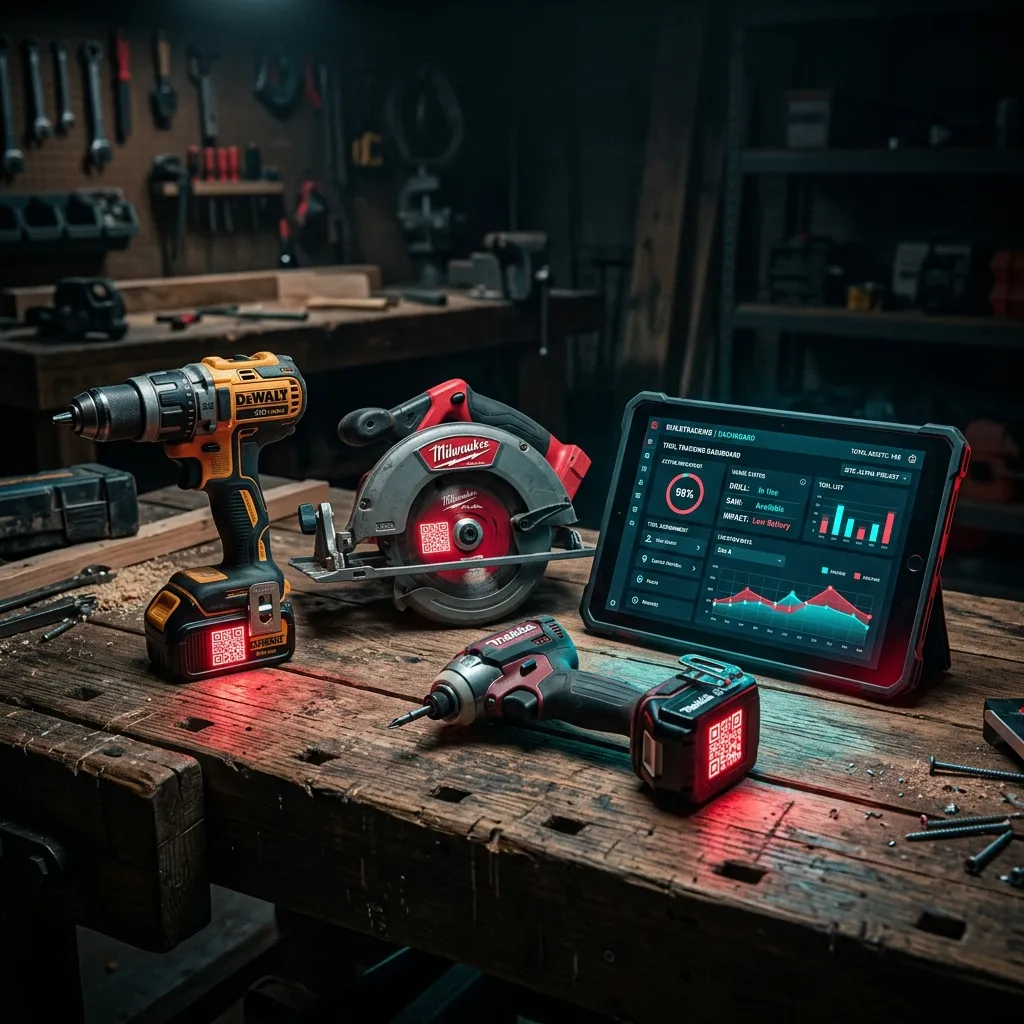
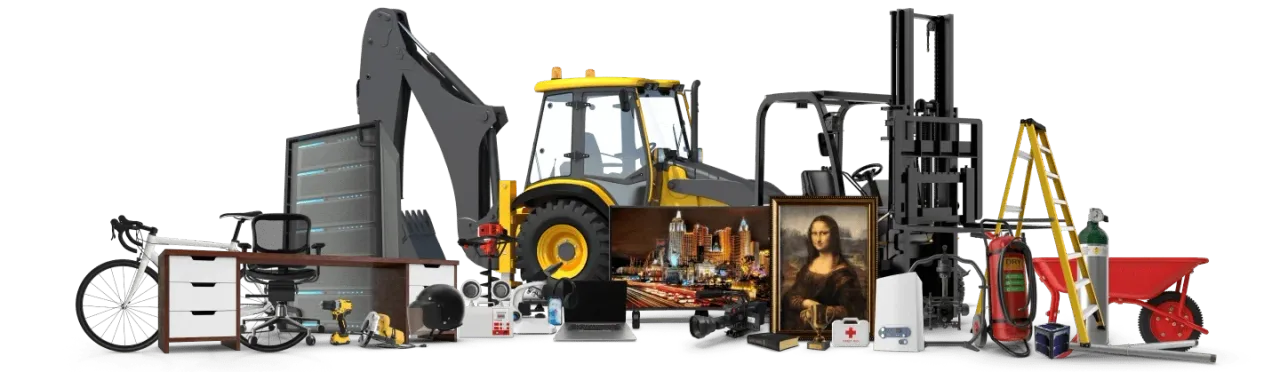
The best asset tracking software in 2021 needs to have a variety of fundamental features. However, additional functionalities that you can integrate into your own operations are also essential.
Overall, therefore, the best asset tracking software will save you as much time and money as is affordable. This means it must be quick to set up and use, giving you as much ROI as possible as quickly as possible.
So, what makes the best asset tracking software in 2021?
Time And Cost-Saving Equipment Tracking Features
First and foremost, your asset tracking software must save you time. This means it needs to seamlessly fit in with existing business operations.
Your asset management processes will already include logging assets, tracking their locations, auditing them, and logging expenses against them. For this reason, your asset tracking system must have effective features which fit in with these operations.
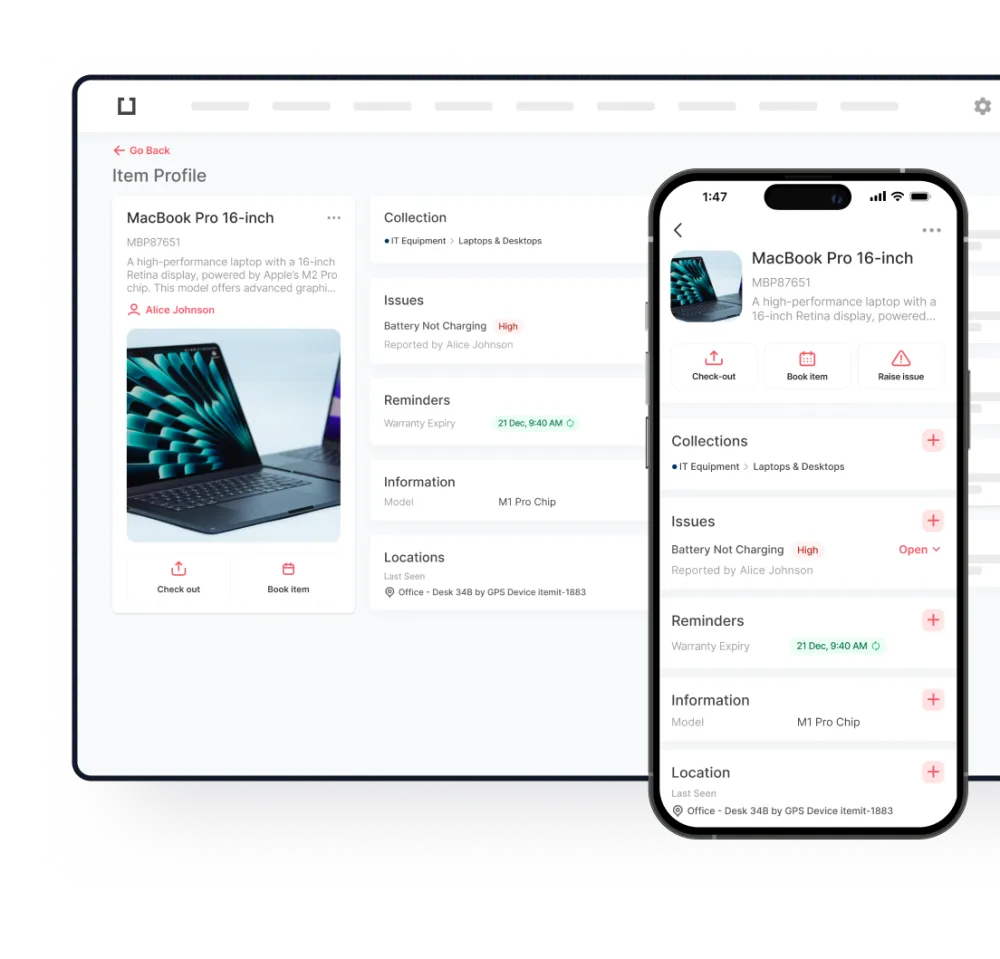
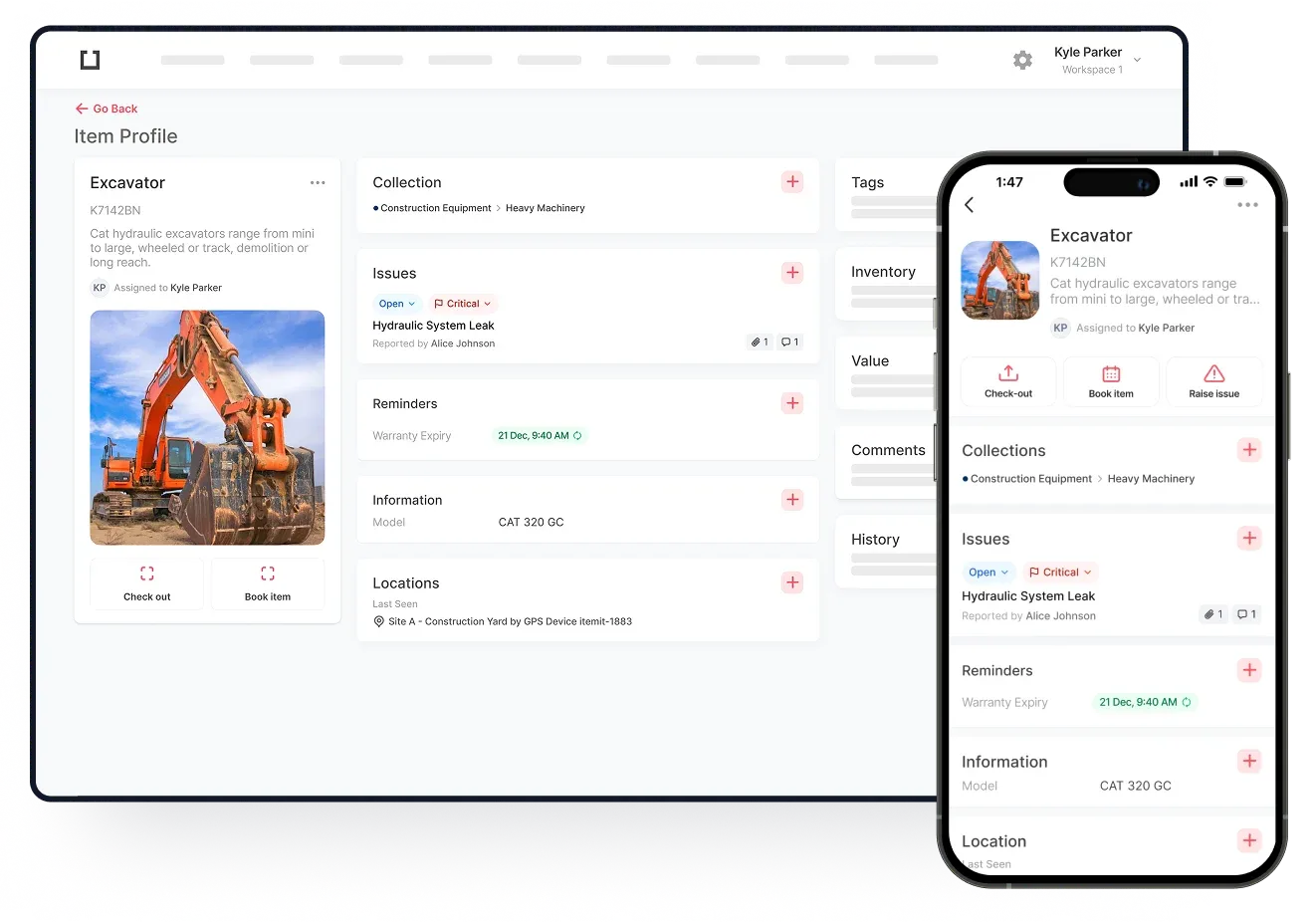
If you can create an effective, transparent, automated, and complete asset register of everything you own and add data against unique asset profiles, you can track everything you need to against them.
Multiple Asset Tagging Technologies
Another way you can save time is through the use of asset tags. Asset tags have different functionalities, however, and so only using barcodes can limit the scalability of your asset tracking software.
QR codes and barcodes have the benefit of speeding up data-driven and maintenance operations, for example, as well as creating an audit trail of last seen locations. With QR codes and barcodes, the process of reporting maintenance is simple. All you need to do is scan an asset's tag to open the corresponding asset profile and report the damage.
Every time you scan an asset's tag, the assets last seen location will update too. This way, you get a clear view of which asset has been damaged, where it is, and who reported the issue, greatly assisting your maintenance team.
If your assets are moving quickly within your building, however, and if speed is of the essence, such as with healthcare asset management, you'll need to opt for more automation. This is where RFID comes in. With fixed RFID asset management, wherever your assets are will update automatically every time they move.
 Watch video
Then, with itemit, you can couple technologies, so you'll also be able to add GPS asset tracking into the mix. This way, whether your assets are on or off-site you can still track them quickly, transparently, and effectively.