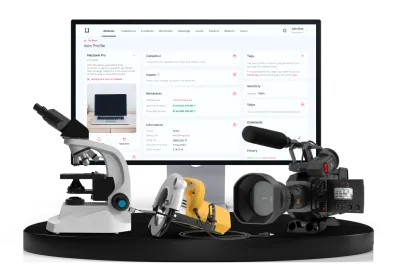
QR code asset management is a set of processes which allow you to track, manage, and monitor your assets. QR code asset management saves you time by streamlining asset-related updates in terms of location, issues, and finances.
Overall, QR code asset management saves you time and money by speeding up your existing operations, as well as by giving you a range of helpful features to make your fixed asset register more transparent.
What Is Asset Tagging?
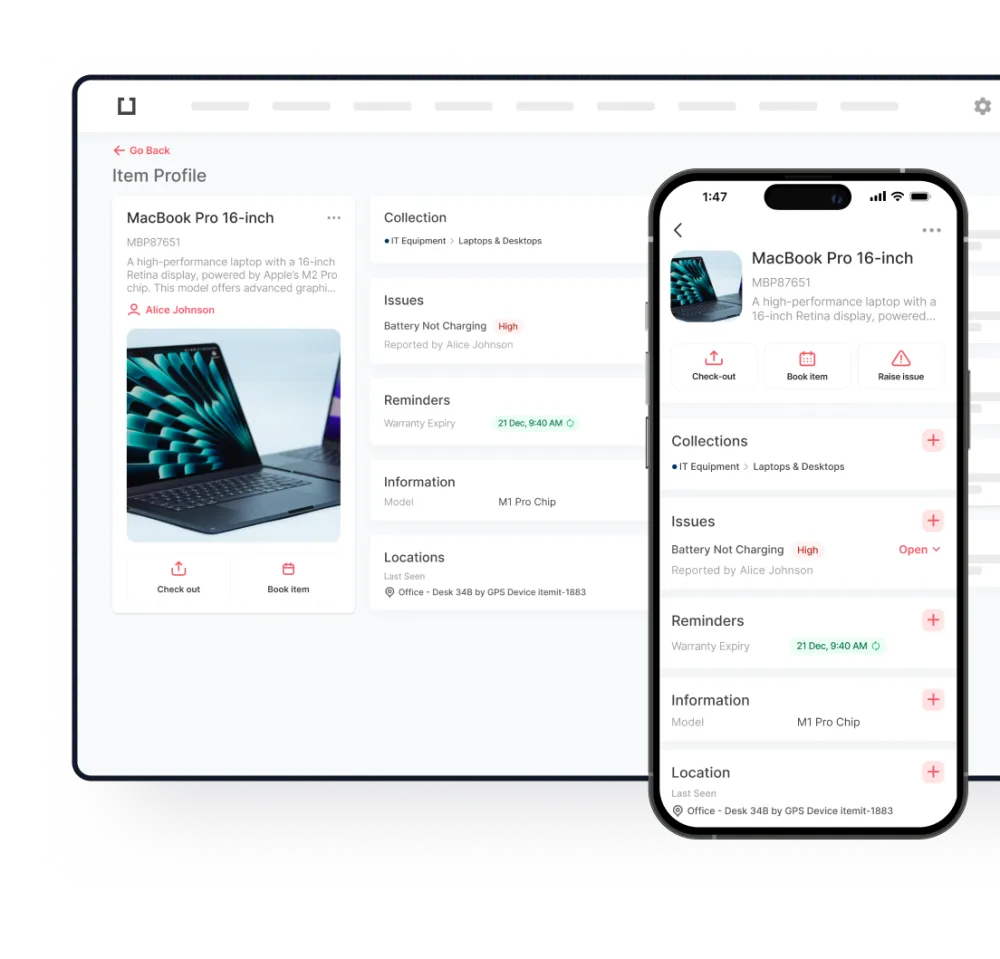
Asset tagging is the process of adding asset tags to your physical assets. This way, you can link physical assets to digital profiles. On these digital profiles, you'll be able to view asset movements and information.
In practice, what this means is that you'll be able to improve construction equipment tracking operations, for example. As your tools and equipment are tagged and linked to digital profiles, you can monitor, update, and edit crucial asset information.
So, if you're onsite and discover that a bit of heavy equipment has a fault, you'll be able to scan the asset's tag and add the issue at the touch of a button.
Why Use QR Codes?
It's not essential that you use QR codes in your asset management procedures, but they do have many benefits. So, you'll also be able to use barcodes for example. However, it's easier to ensure that QR codes are unique due to the amount of data that they can hold.
You can also customise QR codes, meaning you'll be able to use anodised aluminium asset tags for equipment that goes through more weathering or wear and tear.
QR code asset management is also a less expensive option than RFID asset tracking or GPS asset tracking. QR codes won't give you the same level of functionality or automation as the other two, but the other two require external hardware.
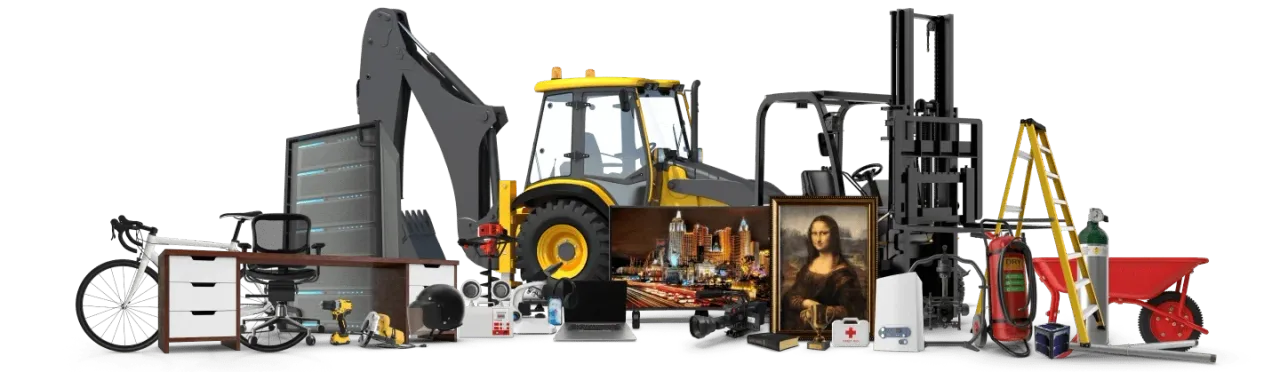
Overall, therefore, QR codes fit into most use cases when it comes to asset management, from tools and equipment tracking to IT asset management.