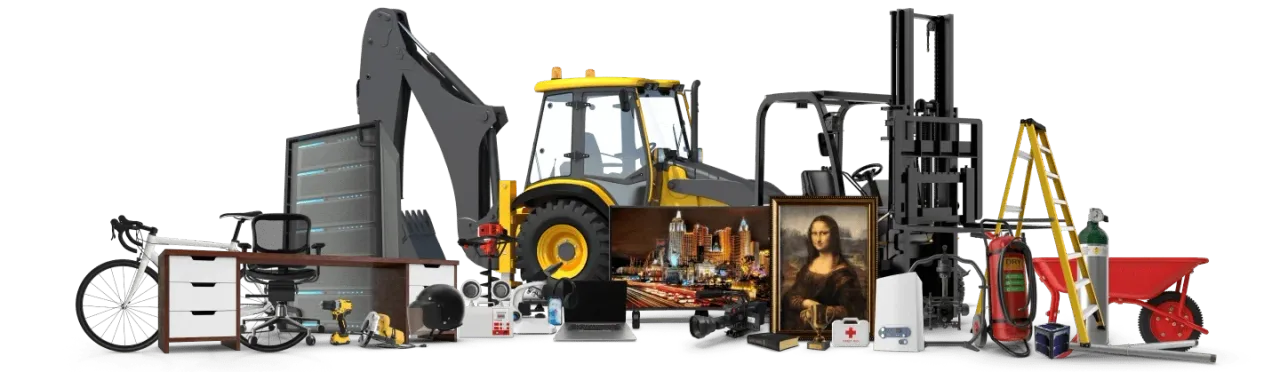
Being able to track assets in this way can prove to be hugely beneficial to businesses everywhere. This is thanks to the many advantages that fixed asset tracking brings.

Adding Assets to a Register
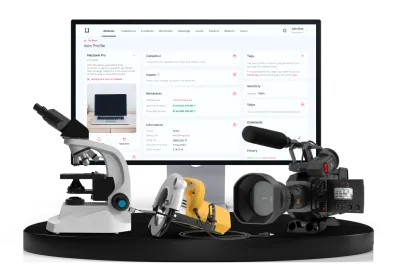
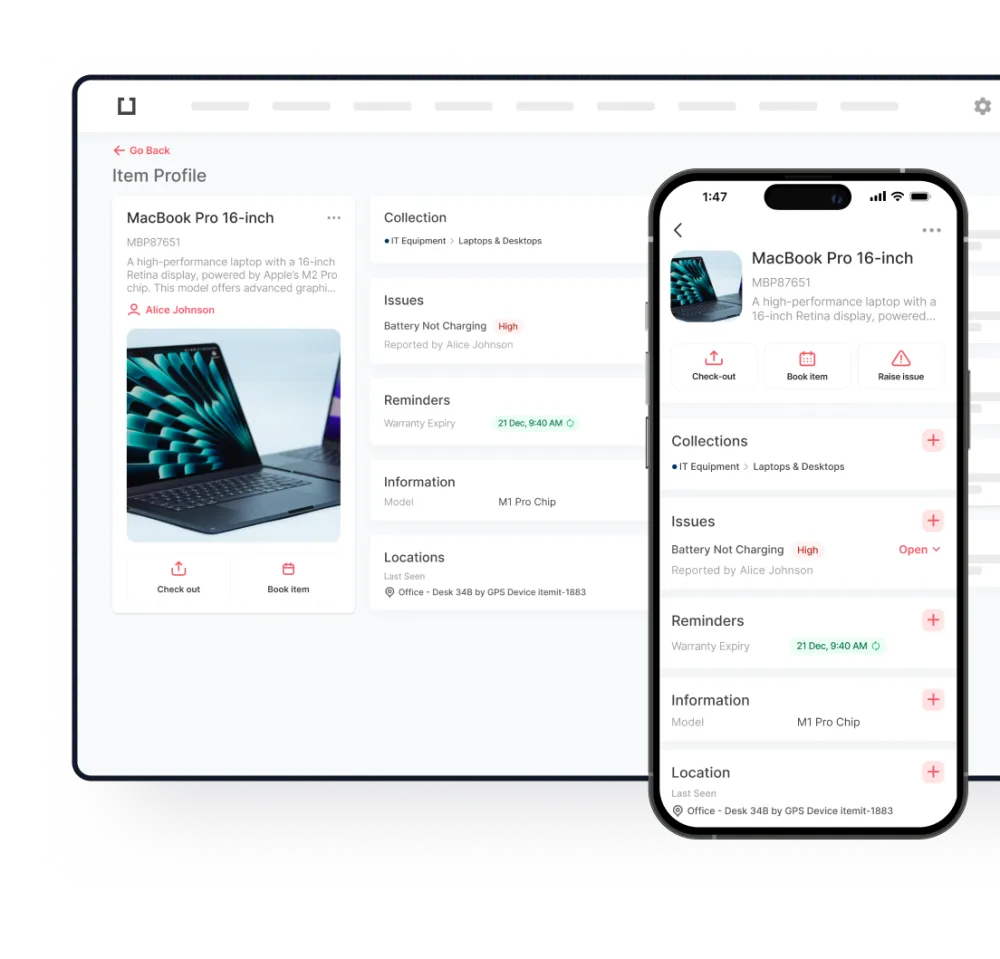
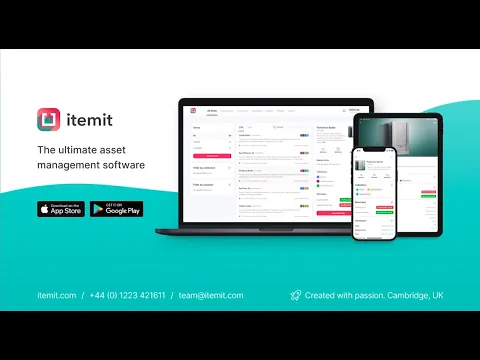
Every fixed asset needs to be added to a register so that it has a unique profile. A lot of information about every asset can potentially be added such as: The name, make, and model, warranty and insurance details, date and price of purchase, estimated value, estimated life span, user instructions, and much more.
The more information that is added to the register, the better it will be. When a user has access to the highly detailed information it’s possible to boost the lifespan of each asset.
 Watch video
Adding QR Codes
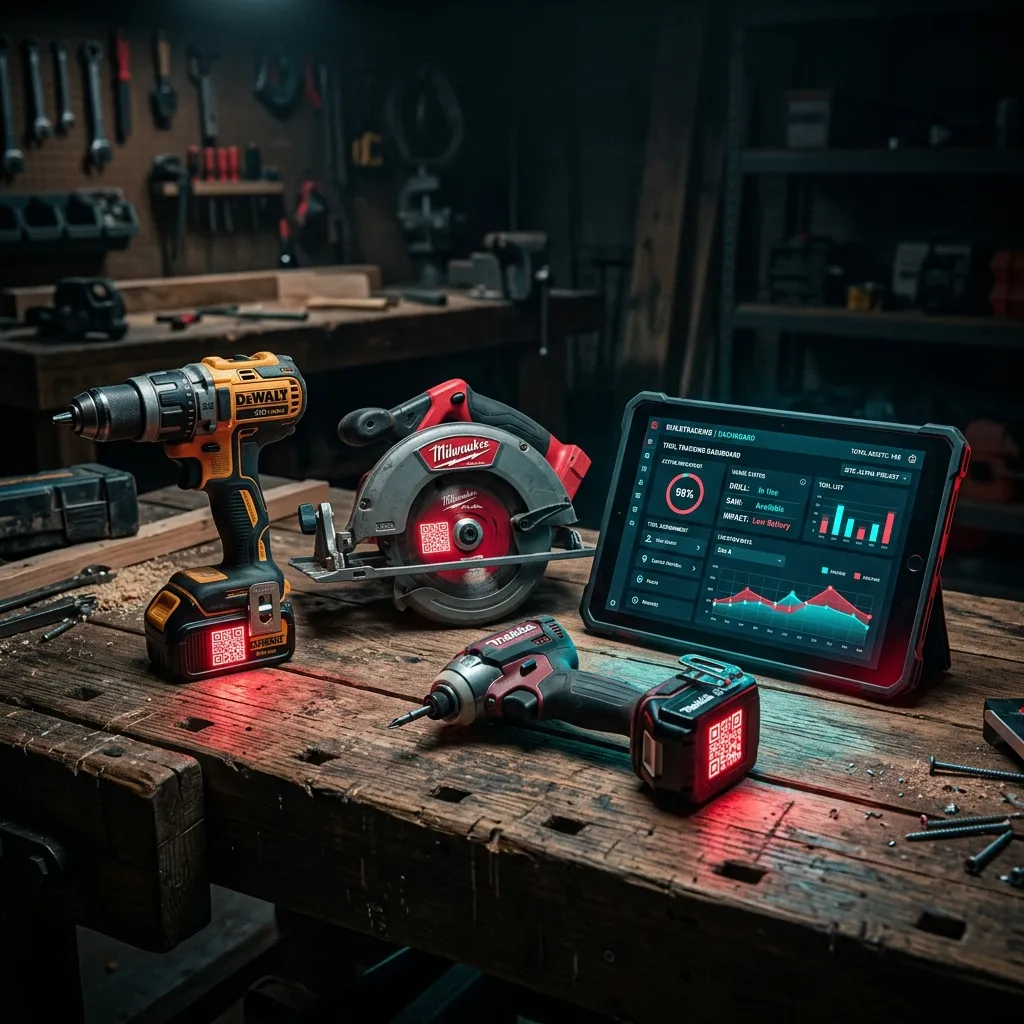
itemit enables users to track their fixed assets via the addition of QR codes. While the location of fixed assets may not change the users of such assets can. Users can scan the QR code and state that they are about to switch the machinery on, for example. As a result, management can see who has used the machinery, when it was used, and for what purpose.
Having this information can be priceless. It allows management to see if machinery is being used effectively. It also helps management to understand whether additional machinery needs to be purchased.
Another benefit of using QR codes is that it allows users to note if an asset has become damaged. This ensures that the machinery can be repaired as and when it is required. This can prove to be wholly beneficial as it means machinery is likely to be repaired as needed. As a result, the workplace can become more efficient and tasks are likely to be completed on time.