Computers and phones have come a long way in the past ten years. This has opened up new possibilities and capabilities in every business-related operation.
Before these developments, fixed asset tracking was likely done on a spreadsheet, if at all. Then, as apps and software grew in their capabilities, software created new fixed asset management capabilities.
There are high levels of automation and improvements when using fixed asset tracking software, as you're able to create an automated fixed asset register progressively while interacting with your assets, rather than in bulk, off-site, and on a computer.
What Is Fixed Asset Tracking Software?
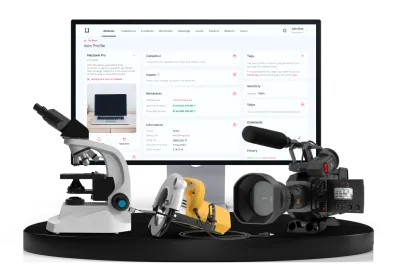
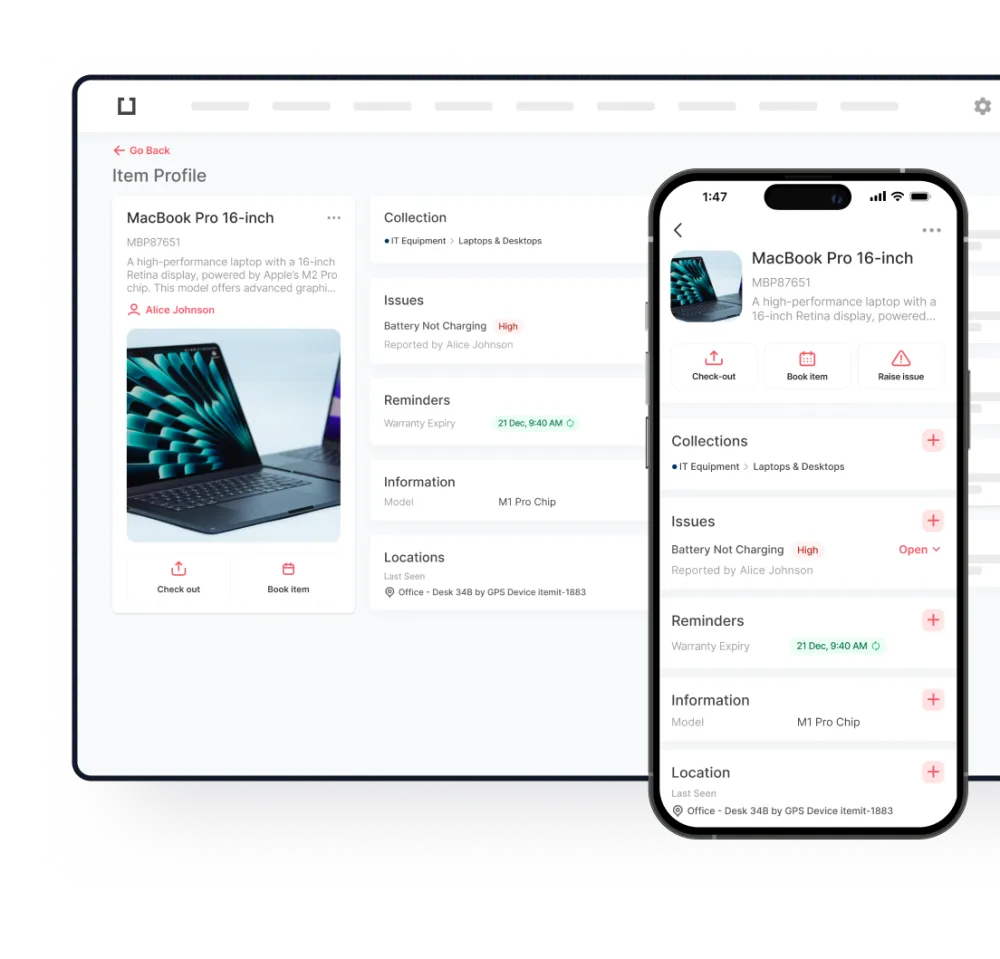
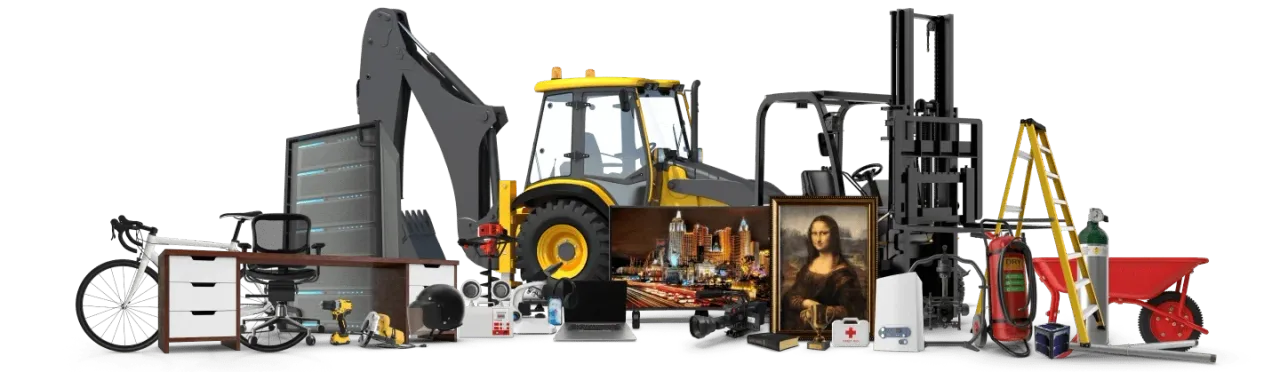
Fixed asset tracking software is a cloud-based system that allows you to manage your fixed assets on your laptop and on your phone. Effectively, it gives you a full fixed asset register, showing you exactly what your business owns.
Using your app and asset tags, you'll be able to interact with individual assets and edit unique profiles related to them. This means that you can scan an asset's tag and report damage against that asset, for example.
 Watch video
All of these edits, whether it's checking the equipment out, reporting issues, updating location data, or logging routine maintenance are all updated in your fixed asset tracking software automatically. Then, you'll be able to export a fixed asset register of this data as a spreadsheet or a pdf, ready for the teams, such as accounting or insurance, that need to see it.
How Is RFID Fixed Asset Tracking Software Better?
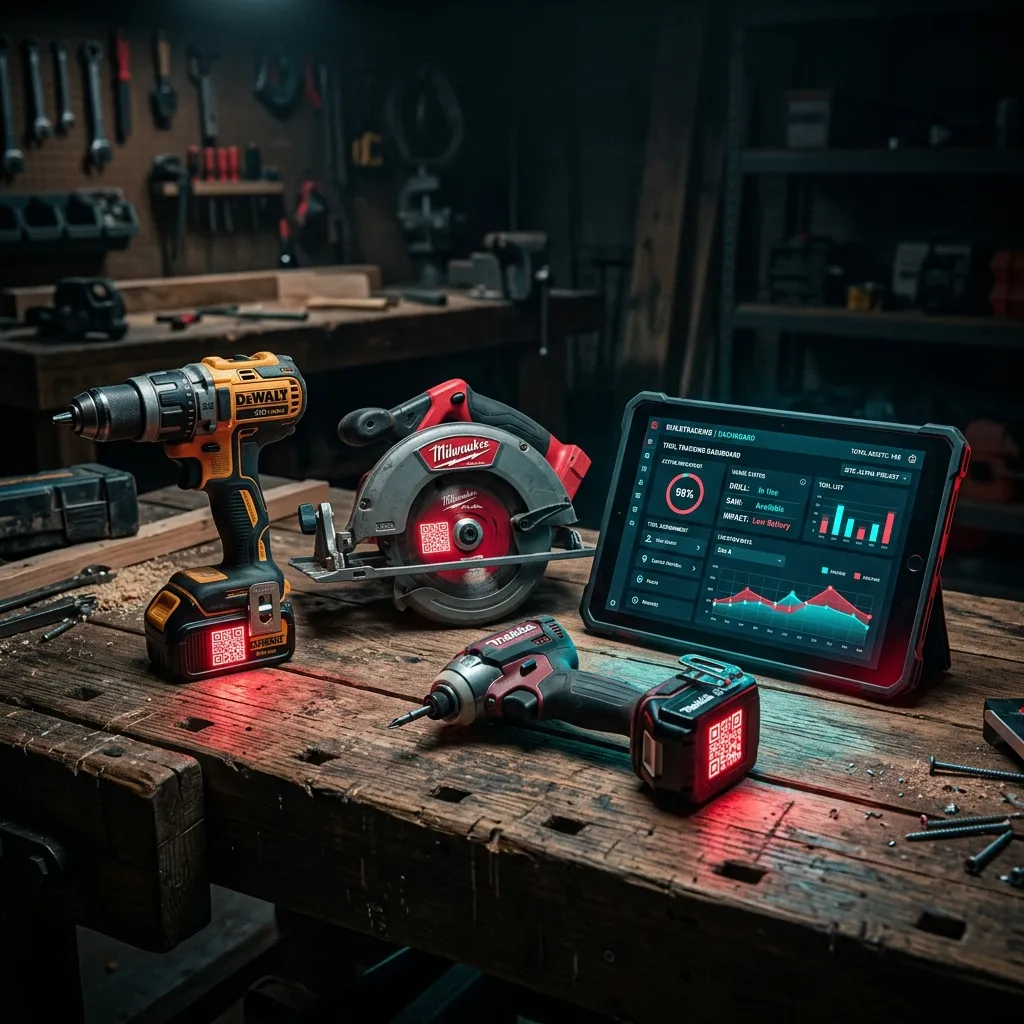
Conventional fixed asset tracking software will use QR codes and barcodes to allow you to monitor, log, and track your assets. Every time you scan an asset's tag, for example, your asset tracking system will use your phone's GPS data to log the asset's last seen location.
While this is still a vast improvement upon spreadsheets and other out of date systems, depending on your needs, usage, or wants, this can still have limitations.
For example, if you're tracking high-value assets such as paintings or wine bottles, you won't be able to stick a visible QR tag onto the asset. This is why companies such as REME are using RFID to track their assets.
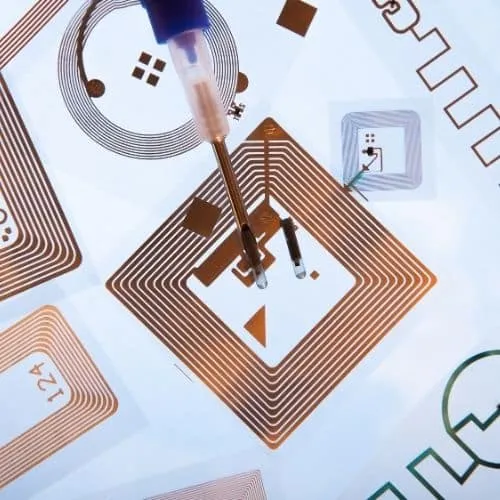
RFID tags work with antennas. This means that you can scan tags from a distance with a handheld or fixed RFID reader. Not only does this open up the ability to conceal asset tags, but it also allows you to utilise even more automation.