Your school is undoubtedly under a lot of financial pressure. As the new term begins, it’s likely that you’ll do what you can to stick to the school’s budget. This can be difficult as there are more demands than ever before to provide high quality education to every pupil.
School asset tracking software is a tool that can prove to be priceless. Allowing you to track the school’s assets, you can potentially keep your budget on track.
Your School’s Assets
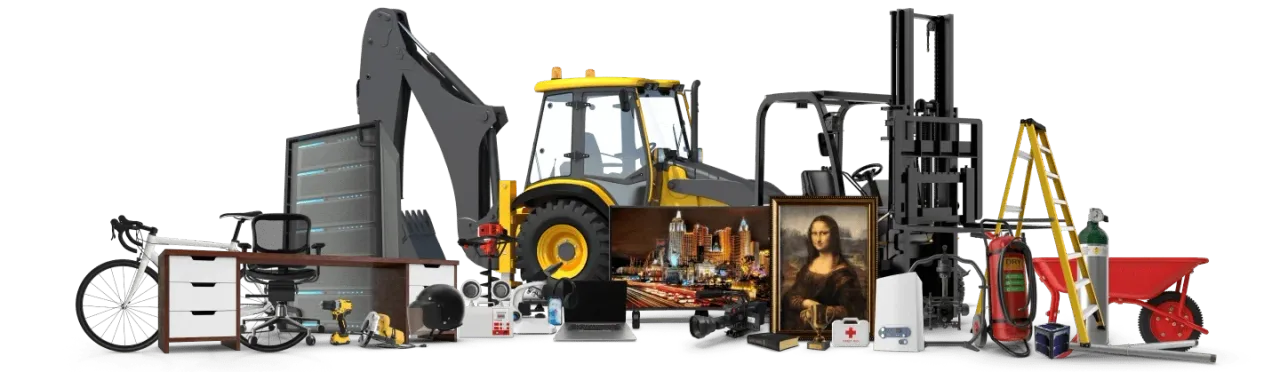
Every school is likely to have hundreds if not thousands of assets. These assets can be broken down into 3 types:
- Software assets - Assets such as these can be very expensive. Software licences, for example, can be at least a few hundred pounds per year. Thanks to the way that itemit’s school asset tracking software works, it’s possible to keep track of your software assets. This feature allows you to understand when licences run out. It also allows you to reassign the assets with ease.
- Physical assets - Physical assets include textbooks, laptops, stationery, whiteboards, and other necessary equipment. Attaching a QR code to each of these assets means you can track the asset’s location and make use of itemit’s other features.
- Fixed assets - This type of asset relates to school buildings as well as air conditioning, lighting, and heating. Our school asset tracking software works to help you maintain these assets and keep track of how they are performing
itemit’s school asset tracking software can help you to stay in control of every single asset. Our tracking software takes the guesswork out of managing the assets. Instead, you have the ability to monitor every asset 24 hours a day, 7 days a week.

Location Tracking
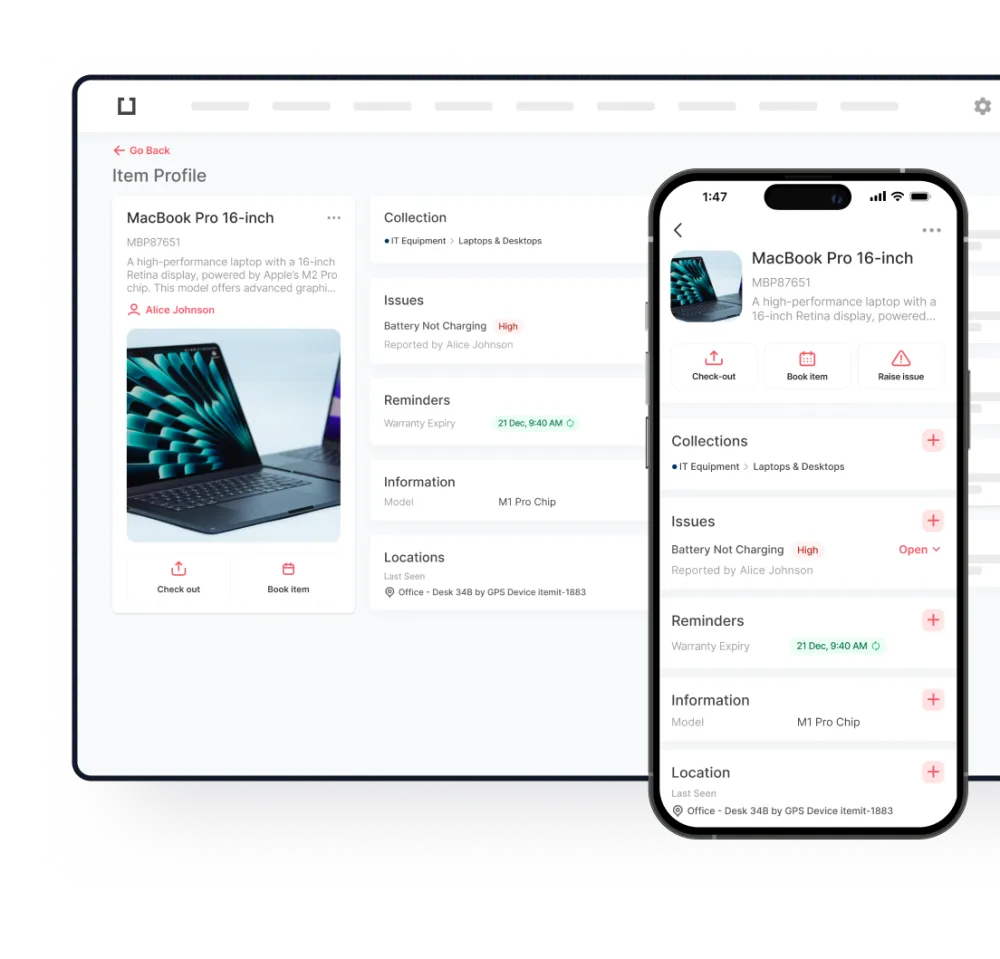
As soon as a QR code or RFID label is attached to an asset it can be tracked. As long as the asset remains in the system, it can be tracked all day, every day. Users of the software can see where the asset’s last known location is. This can prove to be particularly helpful when there’s a particular need for an asset such as a laptop or a textbook.
When an asset is located, the code or label can be scanned. The information that has been added to the system will appear. Users can add more information, edit the current information, or leave a note. This will ensure that future users will have updated information about the asset in question.